PCSK9 Inhibitors: What They Are, How They Work, and Who Needs Them
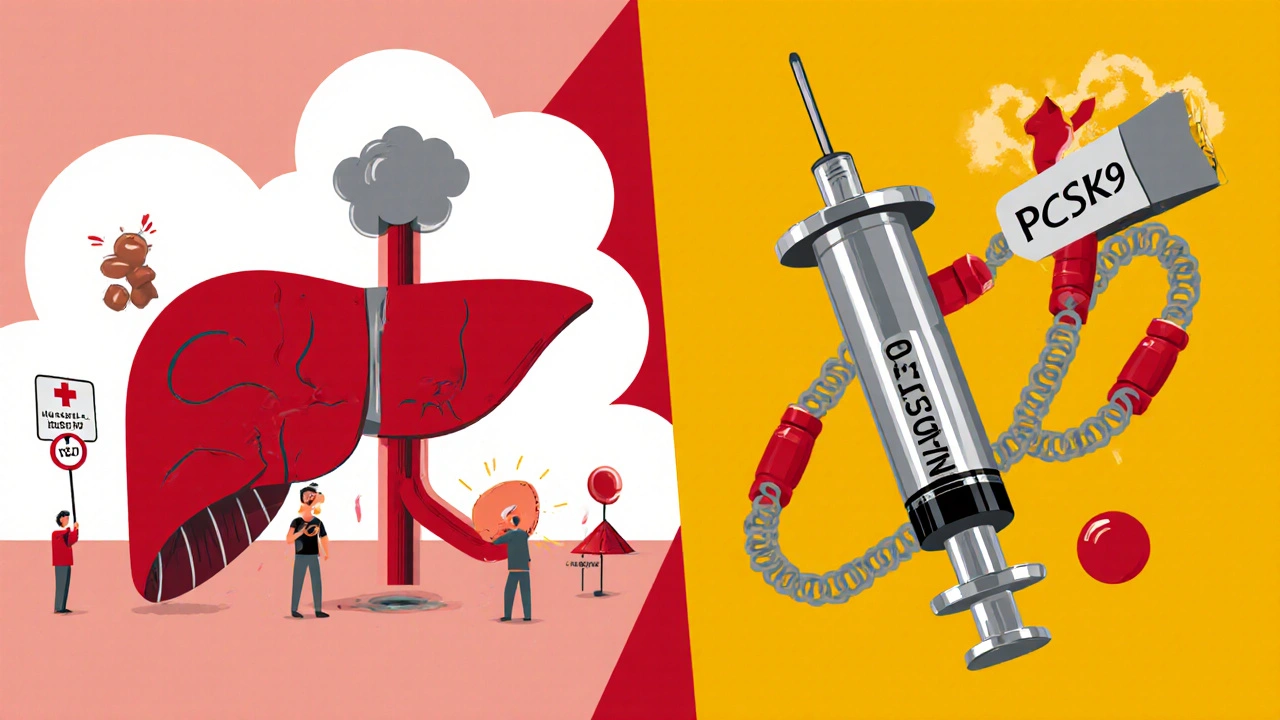
When your body makes too much bad cholesterol, PCSK9 inhibitors, a class of injectable drugs that block a protein called PCSK9 to lower LDL cholesterol. Also known as PCSK9 monoclonal antibodies, these medications are used when statins alone aren’t enough to get cholesterol under control. They don’t just nudge LDL down—they can slash it by 50% or more, even in people with genetic conditions like familial hypercholesterolemia.
These drugs work by targeting the PCSK9 protein, a liver-produced molecule that breaks down LDL receptors. Normally, your liver uses these receptors to pull LDL cholesterol out of your blood. But PCSK9 destroys those receptors, leaving more bad cholesterol floating around. PCSK9 inhibitors stop that destruction, so your liver can clean up more cholesterol—naturally and effectively. Unlike statins, which reduce cholesterol production, PCSK9 inhibitors boost your body’s ability to remove it.
They’re not for everyone. Most people start with statins because they’re cheap, well-studied, and work for most. But if you’ve had a heart attack, have very high LDL despite taking statins, or have a family history of early heart disease, PCSK9 inhibitors may be your next step. Doctors often pair them with ezetimibe or high-dose statins for extra punch. And unlike oral pills, these come as a simple once-every-two-weeks or monthly injection—no daily pills to forget.
They’re also one of the few cholesterol drugs proven to cut heart attacks and strokes in high-risk patients—not just lower numbers on a lab report. Studies show people using PCSK9 inhibitors like evolocumab or alirocumab had fewer heart-related deaths and hospitalizations over time. That’s why they’re now in guidelines for people with established cardiovascular disease and stubbornly high LDL.
Side effects are usually mild—injection site reactions, muscle aches, or cold-like symptoms. Serious risks are rare. But they’re expensive, and insurance often requires proof you’ve tried other options first. Still, for many, the payoff in long-term protection is worth it.
What you’ll find below are real-world guides that connect PCSK9 inhibitors to other areas of heart health, drug interactions, cost-saving strategies, and how they fit into broader treatment plans. Whether you’re comparing them to statins, wondering about insurance hurdles, or trying to understand why your doctor recommended them, the posts here give you the clear, no-fluff facts you need.
PCSK9 inhibitors and statins both lower LDL cholesterol but differ in side effects, cost, and use cases. Statins are first-line and affordable; PCSK9 inhibitors offer stronger LDL reduction with fewer muscle side effects but require injections and are expensive.
READ MORE