
QT Prolongation: Medications That Raise Arrhythmia Risk
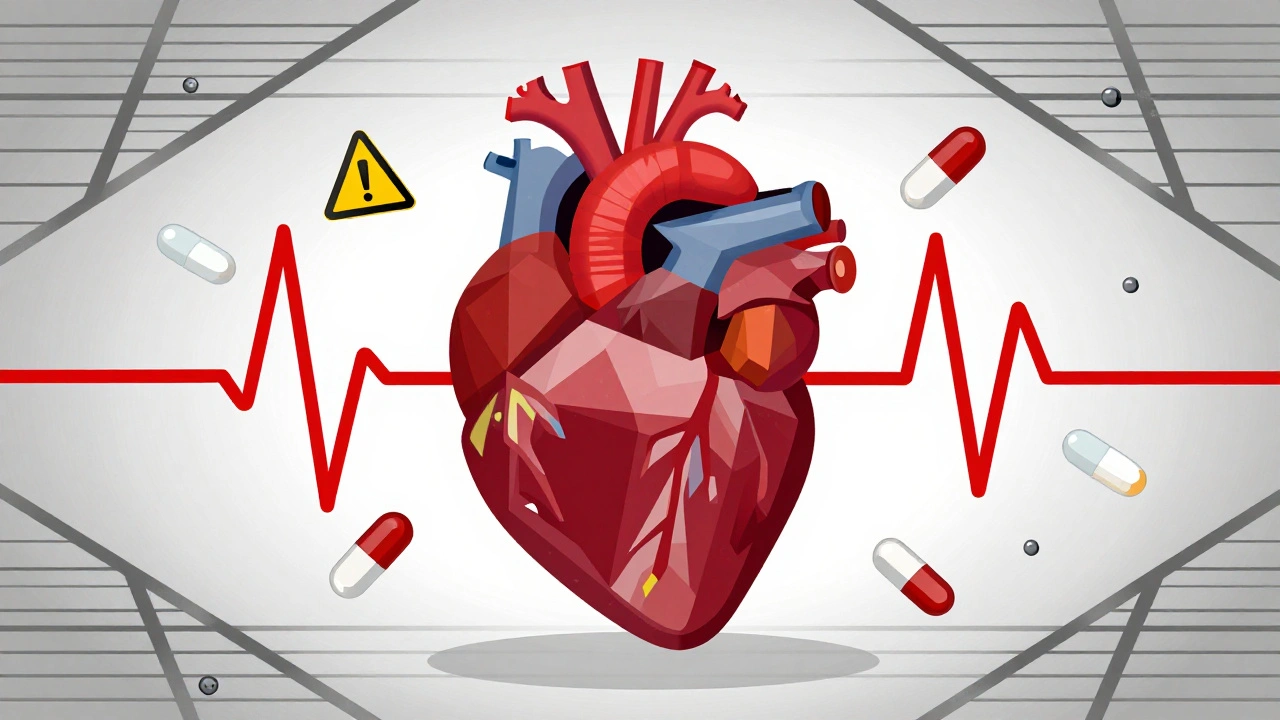
When your heart beats, it follows a precise electrical rhythm. That rhythm shows up on an ECG as a series of waves - P, Q, R, S, T. The time between the start of the Q wave and the end of the T wave is called the QT interval. It’s the heartbeat’s reset button: the time it takes for the lower chambers of the heart to charge and discharge. When that interval gets too long - a condition called QT prolongation - your heart can slip into a dangerous rhythm called torsades de pointes. It’s rare, but it can kill you in seconds.
What Causes QT Prolongation?
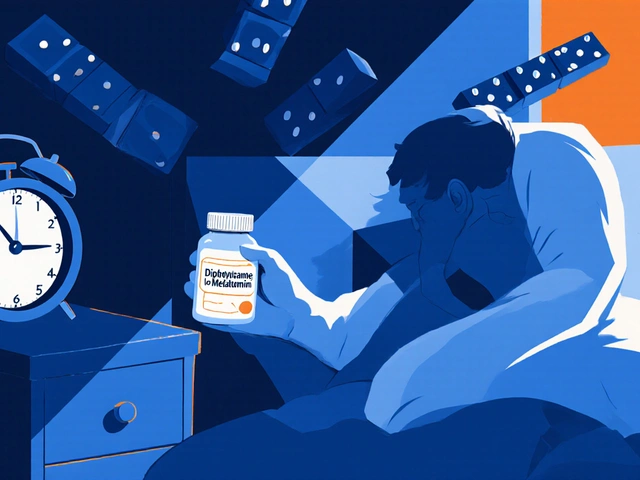
Most people think of heart rhythm problems as something you’re born with. But the biggest threat today comes from something you can control: medications. Over 200 prescription and over-the-counter drugs are known to stretch the QT interval. They don’t do it on purpose. They’re just side effects - often silent ones. The main culprit is a single ion channel in heart cells: the hERG channel. This channel lets potassium out of the cell after each beat, helping the heart reset. Many drugs accidentally block it. Antibiotics, antipsychotics, antidepressants, even some stomach meds can do it. When potassium can’t leave the cell, the heart stays charged longer. That’s QT prolongation. The FDA reviewed 205 drugs in 2013 and found that nearly one in five - 46 of them - clearly prolonged the QT interval. By 2018, the independent database CredibleMeds listed 223 drugs with confirmed or possible risk. That’s not a small number. It’s a hidden danger in medicine cabinets everywhere.Which Medications Are the Most Dangerous?
Not all QT-prolonging drugs are created equal. Some carry a much higher risk than others. Class III antiarrhythmics like sotalol and dofetilide are designed to prolong the QT interval - that’s how they stop dangerous rhythms. But they’re also the most likely to cause torsades. Sotalol, for example, triggers torsades in 2-5% of patients. Amiodarone, another Class III drug, prolongs QT even more, but its risk is lower - under 1% - because it blocks multiple channels, not just one. Then there are the non-heart drugs that sneak under the radar:- Methadone: Used for pain and opioid addiction. Risk spikes above 100 mg/day. TdP cases are well-documented.
- Citalopram and escitalopram: Antidepressants. The FDA capped citalopram at 40 mg/day (20 mg for people over 60) after studies showed clear QT dose-response.
- Antibiotics: Erythromycin and clarithromycin can prolong QT by 15-25 ms. Azithromycin is less risky but still dangerous in high doses or with other triggers.
- Antifungals: Fluconazole, especially at doses over 400 mg/day.
- Antiemetics: Ondansetron (Zofran) - common for nausea - was involved in 42% of TdP cases in one FDA analysis.
- Antipsychotics: Haloperidol and ziprasidone carry black box warnings for sudden cardiac death. Ziprasidone’s risk is real, even if actual TdP events are rare.
Who’s at Highest Risk?
It’s not just about the drug. It’s about the person taking it. Women are at far greater risk - about 70% of documented torsades cases occur in women. Why? Hormones. Estrogen slows potassium flow naturally. After menopause, that effect drops, but the risk remains higher than in men. Postpartum women are especially vulnerable. Age matters too. People over 65 have slower drug clearance, weaker hearts, and often take multiple meds. That’s a perfect storm. Genetics play a role. About 30% of drug-induced torsades cases happen in people with subtle hERG gene mutations they didn’t know they had. You might be fine on one drug. Add another? Boom. Low potassium, low magnesium, or low calcium - common in people with eating disorders, kidney disease, or on diuretics - make the heart even more sensitive to QT-prolonging drugs. And here’s the biggest hidden risk: combining drugs. Taking two QT-prolonging meds doubles your risk. Taking three? It’s not linear - it’s exponential. A 2020 FDA analysis found that 68% of TdP cases involved two or more risky drugs. One case? A 65-year-old woman on ondansetron for nausea and azithromycin for infection. Her QTc jumped from 440 ms to 530 ms in 24 hours. She went into torsades. She survived - barely.
What’s a Dangerous QTc Number?
Doctors measure the corrected QT interval - QTc - to account for heart rate. The standard formula is Bazett’s: QT divided by the square root of the RR interval. It’s imperfect, especially at slow or fast heart rates, but it’s what we use. Here’s the hard line:- QTc over 500 ms = high risk. Torsades risk triples to fivefold.
- QTc increase of more than 60 ms from baseline = dangerous, even if still under 500.
How Do Doctors Manage This Risk?
The smartest hospitals don’t guess. They screen.- Baseline ECG: Before starting a high-risk drug, get an ECG. It’s cheap. It’s quick. It saves lives.
- Repeat ECG: Within 3-7 days of starting or increasing the dose. That’s when drug levels peak.
- Check electrolytes: Potassium and magnesium should be in normal range. Fix them before giving the drug.
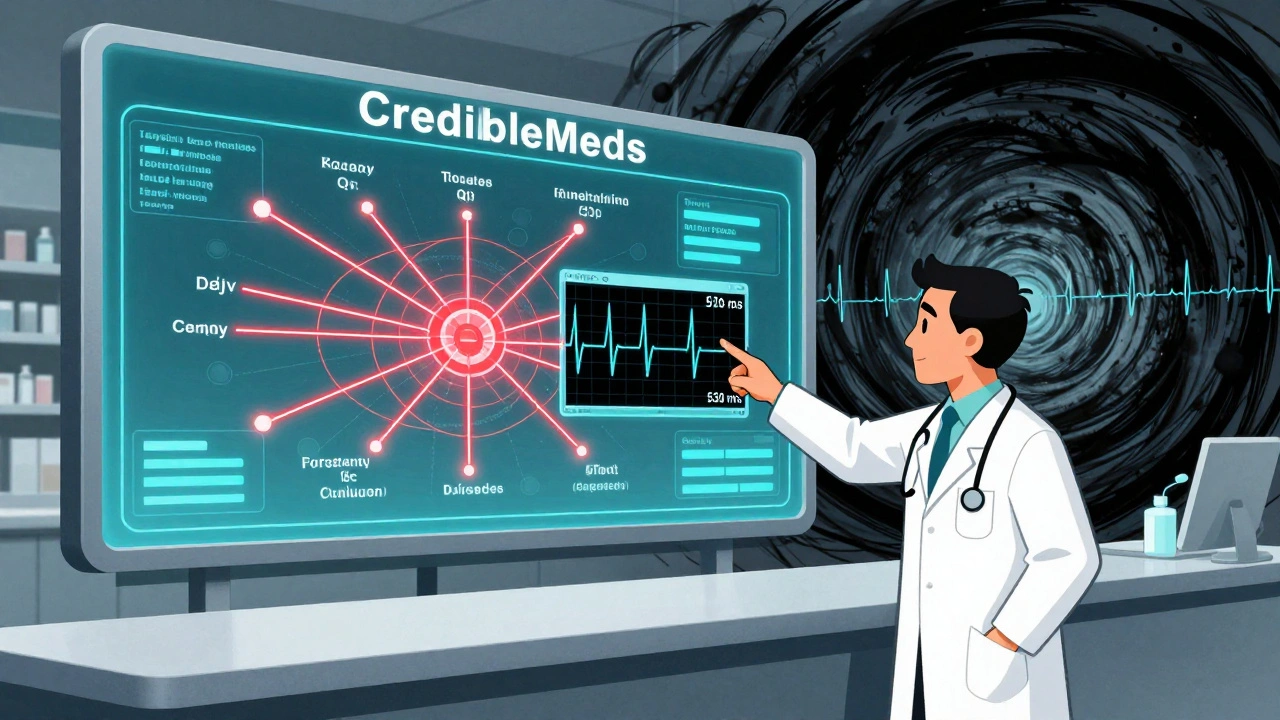
- Check drug interactions: Use tools like CredibleMeds.org. It’s free. It’s updated quarterly. It lists every drug with QT risk and how serious it is.
- Use EHR alerts: Hospitals with smart electronic records that flag dangerous combinations have cut inappropriate prescribing by over 50%.
What’s Changing in Drug Development?
The old way of testing for QT risk - just measuring QTc in healthy volunteers - is outdated. The FDA, EMA, and other regulators launched the CiPA initiative in 2013. Now, new drugs must be tested on multiple ion channels, not just hERG. They use computer models to simulate how the drug affects the whole heart, not just one channel. The result? More drug failures. Between 2016 and 2022, 22 drugs were pulled from development because of proarrhythmia risk. Each failure cost over $2 billion. But it’s better than a drug hitting the market and killing people. New drugs like retatrutide (an obesity medication approved in 2023) now come with QT prolongation warnings from day one. That’s progress.What Should You Do?
If you’re on any medication - especially antibiotics, antidepressants, antipsychotics, or pain meds - ask your doctor:- Is this drug on the CredibleMeds list for QT prolongation?
- Am I taking any other drugs that could add to the risk?
- Should I get an ECG before or after starting this?
- What are my electrolyte levels?
Final Thought
QT prolongation isn’t a rare genetic disorder. It’s a preventable side effect of modern medicine. We’ve gotten better at spotting it. We’ve got tools. We’ve got guidelines. The problem isn’t ignorance - it’s complacency. A simple ECG. A quick check of your meds. A conversation with your doctor. That’s all it takes to stop a silent killer before it strikes.Can a single medication cause torsades de pointes?
Yes, but it’s rare. Most cases happen when multiple QT-prolonging drugs are taken together, or when other risk factors like low potassium, female sex, or older age are present. Drugs like sotalol, methadone, and ondansetron have caused torsades as single agents in vulnerable individuals.
Is QT prolongation always dangerous?
No. A QTc under 450 ms in men or 470 ms in women is normal. Mild prolongation (450-499 ms) is common with many medications and often harmless if no other risks are present. Danger begins when QTc exceeds 500 ms or increases by more than 60 ms from baseline.
Can I take azithromycin if I’m on an antidepressant?
It depends. Azithromycin has low-to-moderate QT risk. Antidepressants like citalopram, sertraline, or fluoxetine also prolong QT. Combining them increases risk. If you’re over 65, female, have low potassium, or heart disease, avoid the combo. Ask your doctor for an ECG first.
Do I need an ECG before taking Zofran?
If you’re healthy and young, maybe not. But if you’re over 60, female, taking other QT-prolonging drugs, have heart disease, or low electrolytes - yes. Ondansetron was involved in nearly half of all documented TdP cases in FDA reports. A baseline ECG takes 5 minutes and could save your life.
Are there any safe alternatives to QT-prolonging drugs?
Often, yes. For nausea, metoclopramide or prochlorperazine may be safer than ondansetron. For depression, bupropion and venlafaxine have lower QT risk than citalopram. For infection, doxycycline or amoxicillin are safer than erythromycin. Always ask: Is there an equally effective drug with less cardiac risk?
Can I still take methadone if I have a long QT interval?
It’s possible, but only with strict monitoring. Doses should stay under 100 mg/day. ECGs are required at baseline, 30 days, and quarterly. Electrolytes must be normal. If QTc exceeds 500 ms or rises 60 ms from baseline, the dose must be lowered or stopped. Many patients safely stay on methadone for years with this protocol.



Wow, this is one of the most important posts I’ve read all year-seriously. I’m a pharmacist, and I’ve seen too many patients on three or four QT-prolonging meds at once, with zero ECGs. The FDA’s 68% stat? That’s not a coincidence-it’s a systemic failure. We need mandatory baseline ECGs for anything on CredibleMeds’ red list, especially in older women. It’s not overkill-it’s basic safety. And yes, Zofran? I’ve had patients faint after a single IV dose. Don’t wait for collapse to act.
QT prolongation is real but overblown. Most people won’t get torsades. Stop scaring folks over a 1 in 10k risk. Just take your meds and move on.
Bro. I got prescribed azithromycin after my sinus infection and was already on sertraline. I Googled it. Found CredibleMeds. Went to urgent care. Got an ECG. QTc was 488. They switched me to amoxicillin. Saved my life. Don’t be lazy. Check your meds. Your heart doesn’t care if you’re ‘too busy’.
I appreciate how thorough this is. As a nurse in a rural ER, I’ve seen two torsades cases in five years-both in women over 60 on multiple meds. One was on methadone, ondansetron, and a diuretic. All three flagged. But no one checked her electrolytes. We’re not failing because we don’t know-we’re failing because we don’t *act*. Simple tools. Simple steps. We just need to make them routine.
As someone from India, I’m shocked this isn’t talked about more here. We have tons of people on generic citalopram, erythromycin, and fluconazole without any monitoring. Doctors don’t even know about CredibleMeds. Maybe we need a Hindi/English info campaign? I’d help translate. This needs to reach beyond the US.
Let’s be honest-this is just another FDA-driven panic wrapped in pseudoscientific jargon. hERG channel? CiPA initiative? You sound like a regulatory consultant trying to justify your consulting fees. The real issue is overmedication, not QT intervals. Most people don’t need antidepressants, antibiotics, or antiemetics in the first place. Blame the system, not the biomarkers.
USA thinks it owns medical knowledge. In India, we treat patients with basic electrolyte checks and common sense-not expensive ECGs and fancy databases. Your ‘risk’ is just capitalism turning medicine into a liability game. We don’t need your 223-drug list. We need better access to care, not more paperwork.
Thank you for sharing this. I’m a primary care provider, and I’ve started doing baseline ECGs for anyone over 60 on any new QT-prolonging drug. It’s not perfect-but it’s better than nothing. I’ve had two patients whose QTc jumped over 500 ms after starting azithromycin. One had no symptoms. If I hadn’t checked? They might’ve been gone by morning. This isn’t fearmongering. It’s responsibility.