Contrast Dye: What It Is, Risks, and What You Need to Know Before Your Scan
When you get a CT scan, MRI, or angiogram, contrast dye, a special substance injected into your body to make blood vessels, organs, or tissues stand out on imaging scans. Also known as radiopaque contrast media, it helps doctors spot tumors, blockages, or inflammation that would otherwise be invisible. It’s not magic—it’s chemistry. But that chemistry can cause real problems if you don’t know your risks.
Not everyone reacts the same way. The most common type, iodinated contrast, a dye based on iodine used in CT scans and X-rays, can trigger kidney issues in people with existing kidney disease. About 1 in 100 people with poor kidney function develop contrast-induced nephropathy. That’s why doctors check your creatinine levels before you get it. Even if you feel fine, your kidneys might be struggling. And if you’ve had a bad reaction before—like hives, itching, or trouble breathing—you’re at higher risk for another one. Allergic reactions to contrast dye are rare but serious. They’re not true allergies like peanut or bee venom reactions; they’re more like a chemical overreaction. Still, they can lead to swelling, low blood pressure, or even cardiac arrest if ignored.
Some people worry about long-term effects. There’s no solid proof that contrast dye causes cancer or permanent brain damage, but a 2023 study found tiny amounts of gadolinium (used in MRIs) can stay in the brain for years. No one knows if that matters yet, but it’s why doctors now avoid gadolinium unless absolutely necessary. For iodinated contrast, the biggest concern is still your kidneys. If you’re on metformin for diabetes, you might need to pause it for 48 hours after a scan with contrast. If you’re dehydrated, you’re more likely to have problems. Drinking water before and after helps flush it out. And if you’re over 60, have high blood pressure, or are on multiple meds, your doctor should weigh the benefits against the risks.
You’ll see contrast dye used in dozens of the posts below—linked to kidney safety, drug interactions, emergency reactions, and scan protocols. Some posts talk about how hospitals manage it. Others warn about what happens when it’s given too fast or to the wrong person. You’ll find real cases where people had bad reactions, and how they were treated. There’s no one-size-fits-all answer. But if you’re about to get a scan, knowing what contrast dye is, how it works, and what could go wrong gives you power. You can ask the right questions. You can push back if something feels off. And you can walk into that imaging room with more confidence than most people ever do.
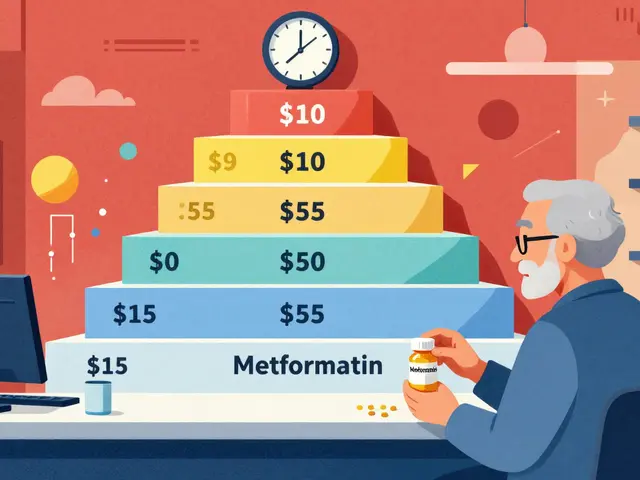
Metformin and contrast dye were once thought to dangerously interact, raising lactic acidosis risk. New guidelines show the risk is extremely low for most patients-especially with normal kidney function. Here’s what you really need to know.
READ MORE