
Five Essential Rules for Taking Medication Safely
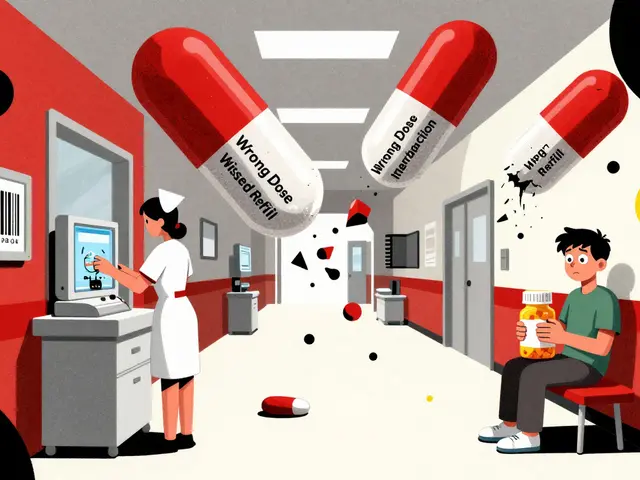
Every year, over 1.3 million people in the U.S. end up in the emergency room because of medication mistakes. Most of these aren’t caused by doctors or pharmacists - they happen at home. You take a pill, you think you’re doing it right, but something goes wrong. Maybe you mixed up two similar-looking bottles. Maybe you skipped a dose because you were tired. Maybe you took it with grapefruit juice and didn’t know it could be dangerous. These aren’t rare accidents. They’re preventable.
Rule 1: Know Exactly What You’re Taking
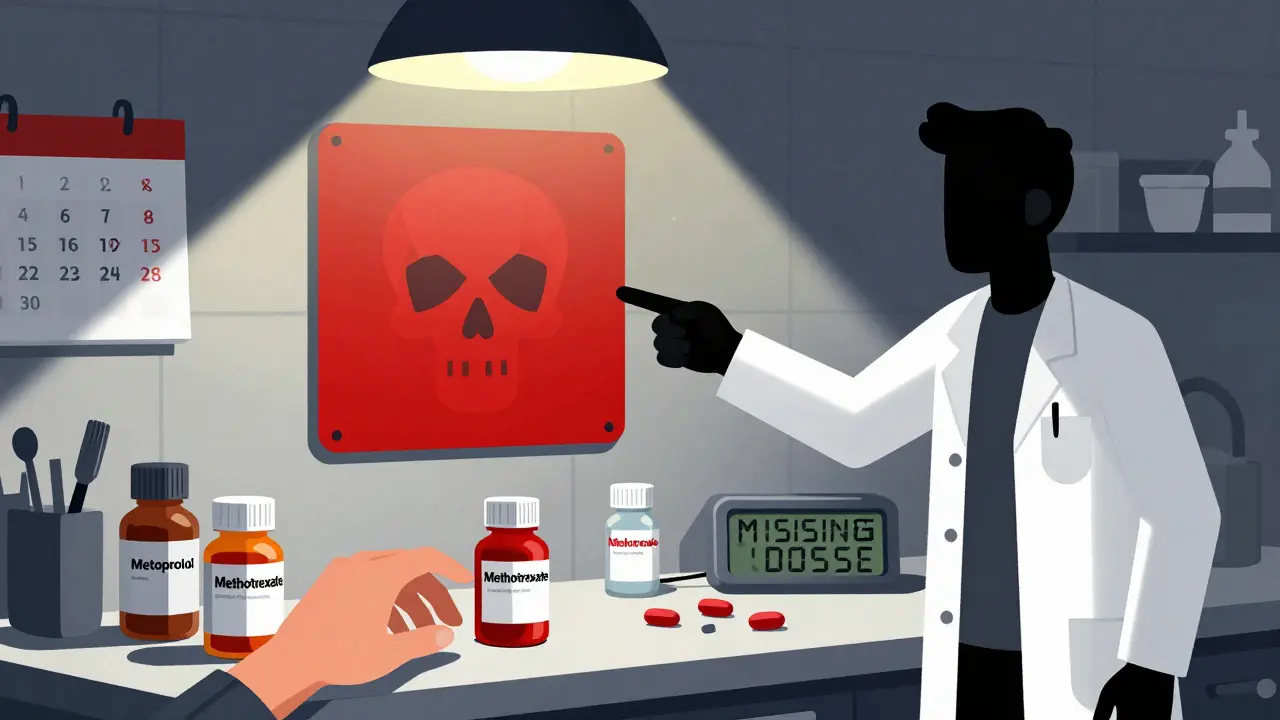
Don’t assume the pill in the bottle is what you think it is. Look-alike, sound-alike medications cause about 25% of all medication errors. Metoprolol and methotrexate? They sound close. One lowers blood pressure. The other is a chemotherapy drug. Mix them up, and the consequences can be deadly.Always check the label - not just the brand name, but the generic name too. If you’re unsure, ask your pharmacist: "Is this the same as the last one I got?" Keep a written or digital list of every medication you take, including over-the-counter pills, vitamins, and supplements. Update it every time something changes. Use apps like Medisafe or MyTherapy to track doses and get alerts. If you’re on five or more medications, schedule a "brown bag" review with your pharmacist every three months. Bring everything - even the stuff you haven’t taken in months. They’ll spot duplicates, interactions, or expired pills you didn’t know about.
Rule 2: Take the Right Dose for Your Body
A pill that’s safe for one person can be dangerous for another. Dosing isn’t one-size-fits-all. Kidney function, liver health, weight, age, and even what you eat can change how your body handles a drug. For example, older adults often need lower doses because their bodies process drugs slower. Kids? Their weight matters more than age. A 20-pound toddler needs a completely different amount than a 70-pound child.High-alert medications like insulin, blood thinners (warfarin, apixaban), and opioids are especially risky. If you’re on one of these, double-check the dose every time. Use a pill organizer with compartments for morning, afternoon, evening, and bedtime. If you’re using insulin, always use the right syringe or pen. Never swap them. A 100-unit insulin syringe is not the same as a 30-unit one. Misusing it can mean giving yourself five times the dose you meant to. Ask your doctor: "Is this dose right for my weight and kidney function?" Don’t be shy. This is your life.
Rule 3: Take It at the Right Time
Timing isn’t just about being on schedule - it’s about effectiveness. Some meds need to be taken on an empty stomach. Others work best with food. Antibiotics like amoxicillin need consistent spacing - every 8 hours, not "three times a day" when you remember. Missing a dose or taking it too late can let bacteria survive and grow resistant.For time-critical drugs like blood pressure pills or seizure meds, being off by even 15 minutes can cause problems. If you’re on a strict schedule, set phone alarms. Use a smart pill dispenser like Hero or MedMinder that locks and unlocks compartments and texts you if you miss a dose. If you forget a dose, don’t just double up. Check the label or call your pharmacist. Some meds can be taken up to 2 hours late. Others? Never double. The CDC says 28% of seniors skip doses because they’re confused about timing. You’re not alone. But you don’t have to live with that stress.
Rule 4: Use the Right Route
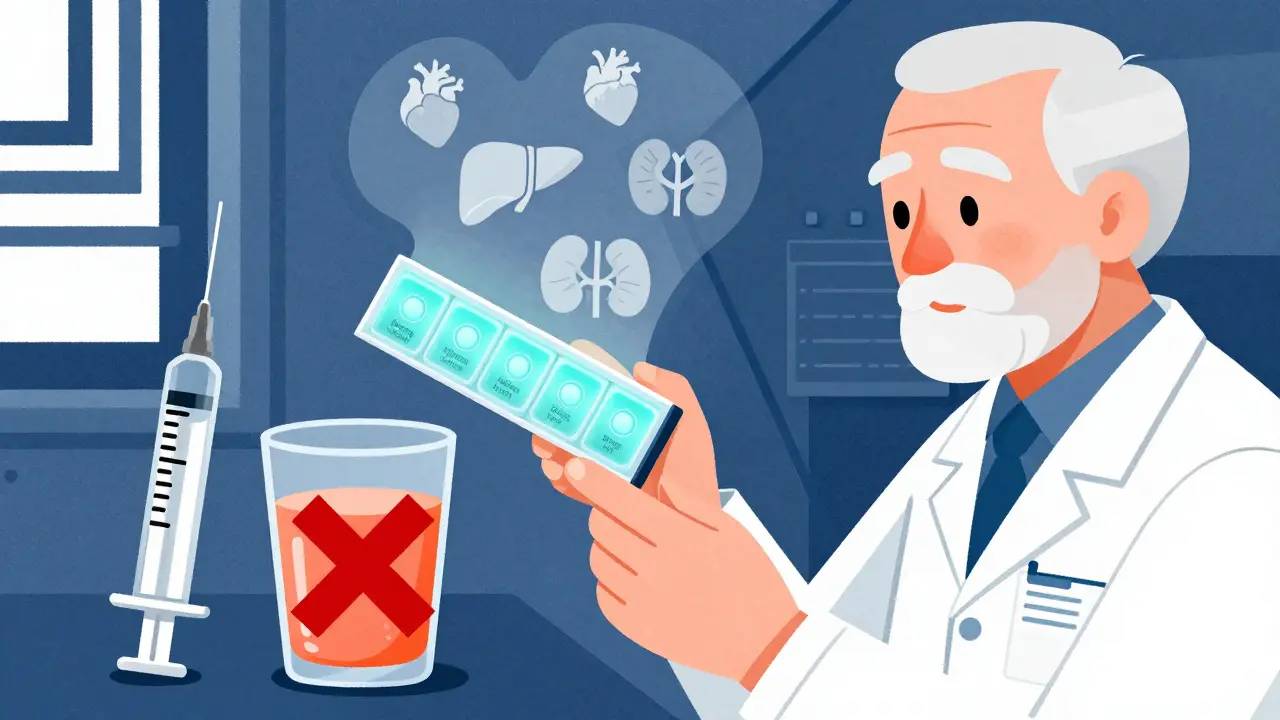
Taking a pill orally is not the same as putting it under your tongue, injecting it, or applying it to your skin. The route matters. A patch meant for your arm isn’t safe to swallow. A nasal spray isn’t meant to be injected. About 16% of medication errors involve the wrong route.Think about insulin. If you accidentally inject it into muscle instead of fat, it hits your bloodstream too fast - could cause a dangerous low blood sugar. Or consider eye drops. If you put them in your ear, you’re not helping your ear - you’re risking an infection. Always read the instructions. If it says "for oral use only," don’t try to crush it and mix it into applesauce unless your doctor says it’s okay. Some pills are time-release. Crush them, and you get the whole dose at once. That’s how overdoses happen.
Rule 5: Watch for Reactions and Tell Someone
Medications aren’t magic. They interact. With food. With other drugs. With your body. You might feel dizzy after starting a new blood pressure pill. Or you might get a rash after taking an antibiotic. Don’t brush it off. Write it down. Note the date, what you took, and what happened. Share it with your doctor or pharmacist. One in five adverse drug events happens because the patient didn’t report symptoms.Some reactions are silent. Liver damage from statins? No pain. Just weird fatigue or yellow eyes. Kidney stress from NSAIDs? No warning until it’s too late. If you’re on multiple meds, ask your doctor: "Could any of these be hurting my liver or kidneys?" Get basic blood tests once a year if you’re over 50 and on chronic meds. Also, know your red flags: swelling, trouble breathing, chest pain, confusion, or sudden bruising. Call 911 if you have any of these. Don’t wait. Don’t Google it. Don’t think it’ll pass.
What About All the New Tech?
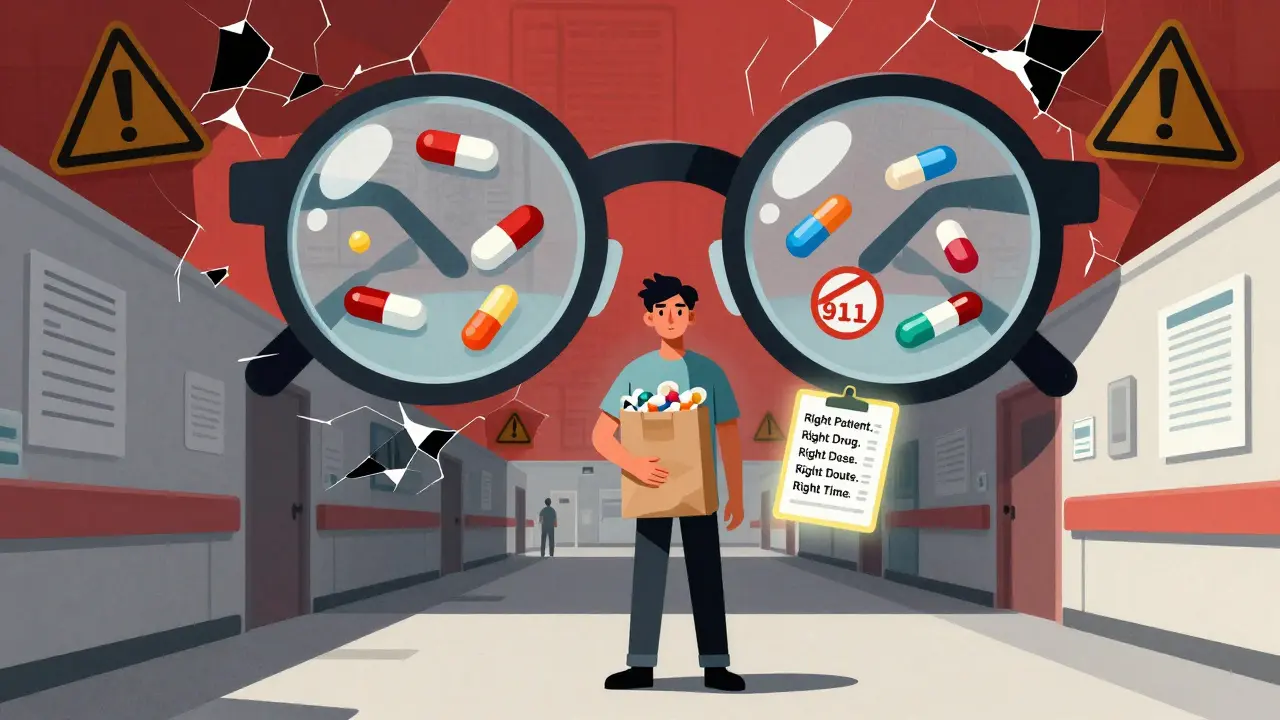
Hospitals use barcode scanners, smart pumps, and AI to catch errors before they happen. But at home? You’re the last line of defense. Technology helps, but it doesn’t replace vigilance. A smart pill dispenser can remind you - but it won’t tell you if the pill looks wrong. An app can track your doses - but it won’t know if your doctor changed your prescription without telling you.Use tech as a tool, not a crutch. Pair it with human checks. Talk to your pharmacist. Ask your doctor questions. Write things down. Keep your list updated. If you’re ever unsure, call someone. It’s better to sound worried than to be in the ER.
Final Thought: You’re Not Just a Patient - You’re the Safety Officer
Medication safety doesn’t start with a doctor’s order. It starts with you. You hold the bottle. You open the cap. You swallow the pill. You notice the side effect. You call when something’s off. No system, no app, no nurse can replace that. The Five Rights - right patient, right drug, right dose, right route, right time - are the foundation. But the real safety comes from asking questions, paying attention, and refusing to guess.Medications save lives. But they can also end them - if you don’t treat them with the respect they deserve. Take a second. Read the label. Ask one more question. It might be the difference between feeling better - and being hospitalized.
What should I do if I miss a dose of my medication?
Don’t double up unless your doctor or pharmacist says it’s safe. Check the medication’s label for specific instructions. If it doesn’t say, call your pharmacist. For most drugs, if you remember within a few hours of the missed dose, take it right away. If it’s close to the next scheduled dose, skip the missed one. Never take two doses at once unless instructed.
Can I crush my pills or open capsules to make them easier to swallow?
Only if your doctor or pharmacist says yes. Many pills are designed to release slowly over time. Crushing them can cause too much medicine to enter your system at once. Some capsules contain powders that can irritate your throat or stomach if opened. Always ask before changing how you take a medication.
Why do some medications need to be taken with food and others without?
Food can change how your body absorbs a drug. Some meds, like antibiotics (e.g., amoxicillin), work better with food because it reduces stomach upset. Others, like thyroid medicine (levothyroxine), need an empty stomach because food blocks absorption. Fatty meals can make some drugs work too well - like blood thinners - increasing bleeding risk. Always follow the label’s instructions about food.
How do I know if a medication is expired or unsafe to use?
Check the expiration date on the bottle or box. If it’s past that date, don’t take it - especially for critical meds like insulin, antibiotics, or heart medications. Also, look for changes in color, smell, or texture. Pills that are cracked, sticky, or discolored should be thrown out. Liquid medicines that look cloudy or have particles shouldn’t be used. When in doubt, ask your pharmacist to dispose of it safely.
What should I do if I think I had a bad reaction to a medication?
Stop taking the medication immediately. Call your doctor or pharmacist. If you have trouble breathing, swelling in your face or throat, chest pain, or sudden confusion, call 911. Even if the reaction seems mild, report it. You can also file a report with the FDA’s MedWatch program. Your report helps others avoid the same problem.
Are generic medications as safe as brand-name ones?
Yes. Generic drugs must meet the same FDA standards as brand-name drugs for strength, purity, and how they work in your body. They contain the same active ingredient. The only differences are in fillers, color, or shape - none of which affect safety or effectiveness. If you notice a change in how you feel after switching to a generic, tell your doctor. It’s rare, but sometimes inactive ingredients can cause reactions in sensitive people.
Can I share my medication with someone else if they have the same condition?
Never. Even if their symptoms seem identical, their body, weight, allergies, and other medications are different. What’s safe for you could be deadly for them. Sharing prescription meds is illegal and dangerous. Always get your own prescription, even if you think you’re helping.
How can I reduce the risk of drug interactions?
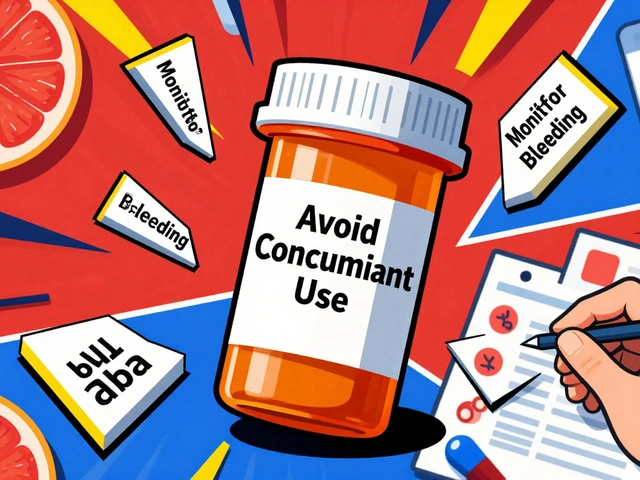
Keep a complete list of everything you take - including vitamins, supplements, and over-the-counter drugs. Share this list with every doctor and pharmacist you see. Ask: "Could this new medicine interact with anything else I’m taking?" Use free tools like the Medscape Drug Interaction Checker or your pharmacy’s app to scan for conflicts. Avoid grapefruit juice with many heart and cholesterol meds. Limit alcohol if you’re on painkillers, antidepressants, or sleep aids.



Let’s be real - if you’re not treating your meds like they’re live grenades with a 3-second fuse, you’re already behind. I’ve seen people take warfarin with grapefruit juice like it’s a smoothie. Bro. It’s not a snack. It’s a cardiac roulette wheel. And don’t even get me started on crushing time-release pills. You think you’re helping your grandma swallow it? Nah. You’re just turning a 12-hour drug into a 12-minute ER visit. This isn’t ‘maybe you should’ - this is ‘if you don’t, you’re gonna die quietly in your sleep.’
I appreciate how detailed this is. I’ve been keeping a handwritten list since my last hospital stay, and it’s changed everything. I didn’t realize how many OTC things I was taking that interacted with my blood pressure med. The brown bag review with my pharmacist was eye-opening - she found three expired pills I’d forgotten about. Small habits, big impact.
OMG I JUST REALIZED I’VE BEEN TAKING MY METOPROLOL WITH GRAPEFRUIT JUICE FOR 8 MONTHS???!?!?!?!? I THOUGHT IT WAS HEALTHY??!!??!?!?!? I’M GONNA DIE I’M GONNA DIE I’M GONNA DIE!!!
Y’all need to stop treating your meds like a TikTok challenge. I once had a client who took her insulin like it was a shot of tequila - ‘I’ll just wing it!’ Spoiler: she ended up in the ER with a blood sugar of 38. That’s not ‘oops,’ that’s ‘I need a new liver.’ And don’t even get me started on sharing pills like they’re gum. You’re not a superhero. You’re just a walking side effect waiting to happen.
Rule #5 is the most overlooked. Silent reactions kill. Fatigue, mild nausea, yellow eyes - don’t ignore them. Get tested. Your liver doesn’t scream. It just… stops.
This is excellent advice. I’ve started using Medisafe and set alarms for every dose - even my vitamins. It’s helped me avoid the ‘did I take it?’ panic. Also, I always call my pharmacist before making changes. They’re not just dispensers - they’re safety netters.
People are so careless with their lives. You think it’s ‘no big deal’ to skip a dose or mix meds? You’re not just hurting yourself - you’re making the system pay for your laziness. I’ve seen it too many times. Wake up. Your life isn’t a suggestion box.
Let me tell you, in my village in India, we used to trust our grandmas’ wisdom with herbs and powders - but now, with modern meds, we’ve learned the hard way. One aunt took her blood thinner with turmeric tea - thought it was ‘natural healing.’ Ended up in ICU. So now, we teach our kids: meds are not suggestions. They’re instructions written in blood. Always ask. Always check. Always write it down. Even if you think you know - you don’t. We’re all students here.
The notion that ‘technology replaces vigilance’ is a dangerous fallacy. While digital pill dispensers and AI-driven apps may offer logistical convenience, they remain fundamentally inert systems devoid of contextual awareness. The human agent - the patient - remains the sole locus of epistemic responsibility in pharmaceutical compliance. One cannot outsource agency to a device that cannot interpret the subtle physiological cues of an aging hepatic system.
My grandma used to say, ‘If you’re not sure, don’t guess.’ She never took a pill without reading the label three times. She also kept a notebook with crayon drawings of her meds. I thought it was cute. Now I do the same. She lived to 92. Coincidence? I think not.
bro i just realized i took my blood pressure pill with coffee and now i feel like a robot on espresso 😅🤯 maybe i need to chill
In my culture, we don’t just take pills - we honor them. We say a quiet thanks before swallowing. It’s not superstition. It’s respect. If you treat your medicine like a tool, not a gift, you’ll forget how powerful it is.
Use a pill organizer. Set alarms. Write it down. Ask the pharmacist. That’s it. No magic. Just consistency.
Look, I get it. You’re tired. You’re busy. You don’t want to read the tiny print. But here’s the thing - if you don’t, you’re not just risking your health. You’re making your doctor’s job harder, your pharmacist’s day worse, and your family’s life a nightmare. So yeah, I’m being dramatic. But so is your potential death.
And for the love of all that’s holy - if you’re on insulin, don’t use a 100-unit syringe for a 30-unit dose. I’ve seen it. I’ve cleaned up the mess. You don’t get a second chance when you overdose on basal insulin. That’s not a typo. That’s a funeral.