Narrow Therapeutic Index: What It Means and Why It Matters for Your Medications
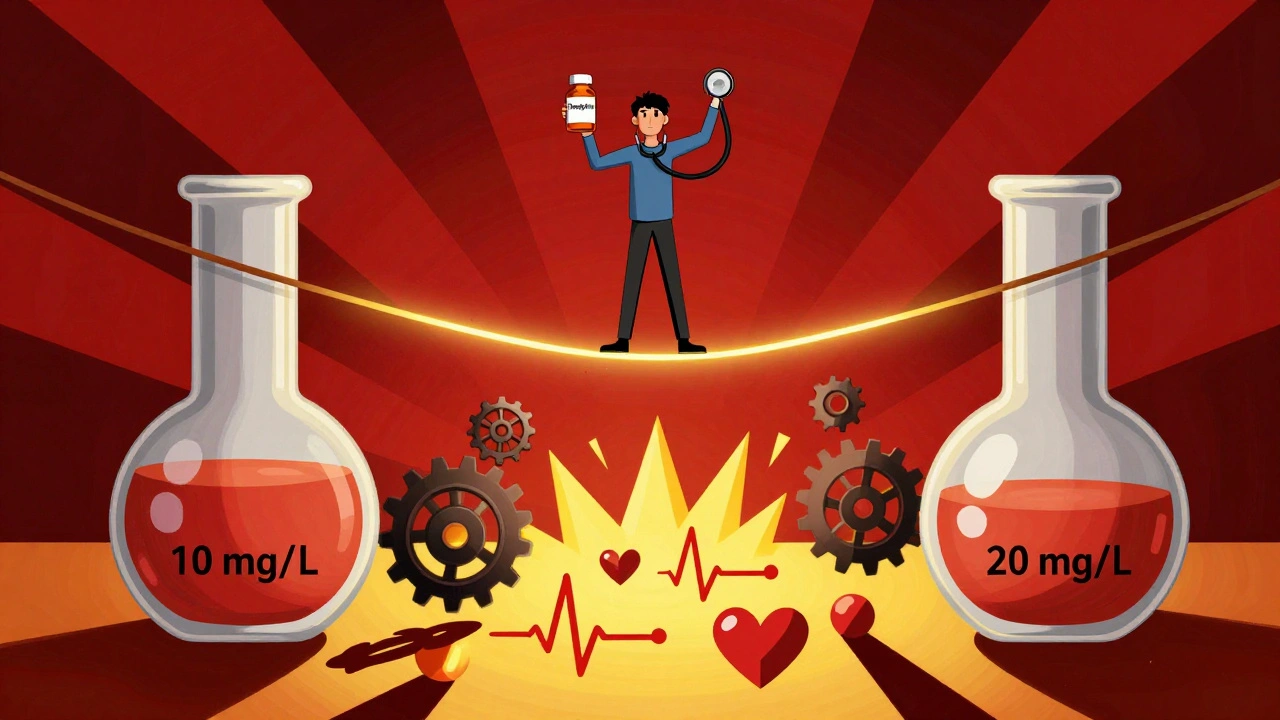
When a drug has a narrow therapeutic index, a small difference between the dose that works and the dose that causes harm. Also known as a narrow therapeutic window, it means your body can’t tolerate much variation—too little and it won’t help, too much and it could hurt you. This isn’t just a technical term—it’s a safety red flag that affects real people taking real meds every day.
Drugs with a narrow therapeutic index require therapeutic drug monitoring, regular blood tests to measure how much of the drug is in your system. Think of it like tuning a radio: if you’re even slightly off, you get static instead of clear signal. Medications like warfarin, lithium, digoxin, and phenytoin all fall into this category. They’re powerful, but they demand precision. A single missed dose, a change in your diet, or even a new supplement can throw your levels out of range. That’s why your doctor might check your blood levels every few weeks instead of just prescribing and forgetting.
These drugs also have a high risk of medication interactions, when another drug, food, or supplement changes how your body handles the main one. For example, eating lots of leafy greens while on warfarin can make it less effective. Grapefruit juice can boost levels of some drugs to dangerous points. Even switching from one generic brand to another can cause problems—because while the active ingredient is the same, fillers and absorption rates can differ enough to matter. That’s why pharmacists and doctors track these meds closely. They don’t just write a prescription and move on.
It’s not just about the drug itself—it’s about you. Age, liver function, kidney health, genetics—all of these affect how your body processes these meds. Two people taking the same dose of the same drug might have completely different blood levels. That’s why one-size-fits-all doesn’t work here. You need personalized care. If you’re on one of these drugs, pay attention to symptoms like dizziness, confusion, irregular heartbeat, or unusual bruising. These aren’t just side effects—they could be warning signs.
The posts below dive into real-world examples of how these risks play out. You’ll find guides on how to space out meds that interfere with each other, what to do when you’re sick and your levels might shift, and how to avoid dangerous interactions with common supplements. Some posts even show how hospitals control substitutions to keep patients safe. This isn’t theoretical. It’s about keeping you alive and well while you take the meds you need.
Theophylline is a powerful but risky asthma and COPD drug with a narrow therapeutic window. Without regular blood monitoring, even small changes in your body or medications can lead to life-threatening toxicity. Here’s why checking your levels isn’t optional.
READ MORE
Phenytoin has a narrow therapeutic window, making generic substitutions risky. Learn when and how to monitor blood levels to avoid toxicity or seizures, especially after switching formulations.
READ MORE