Opioid-Induced Constipation: Causes, Risks, and What Actually Helps
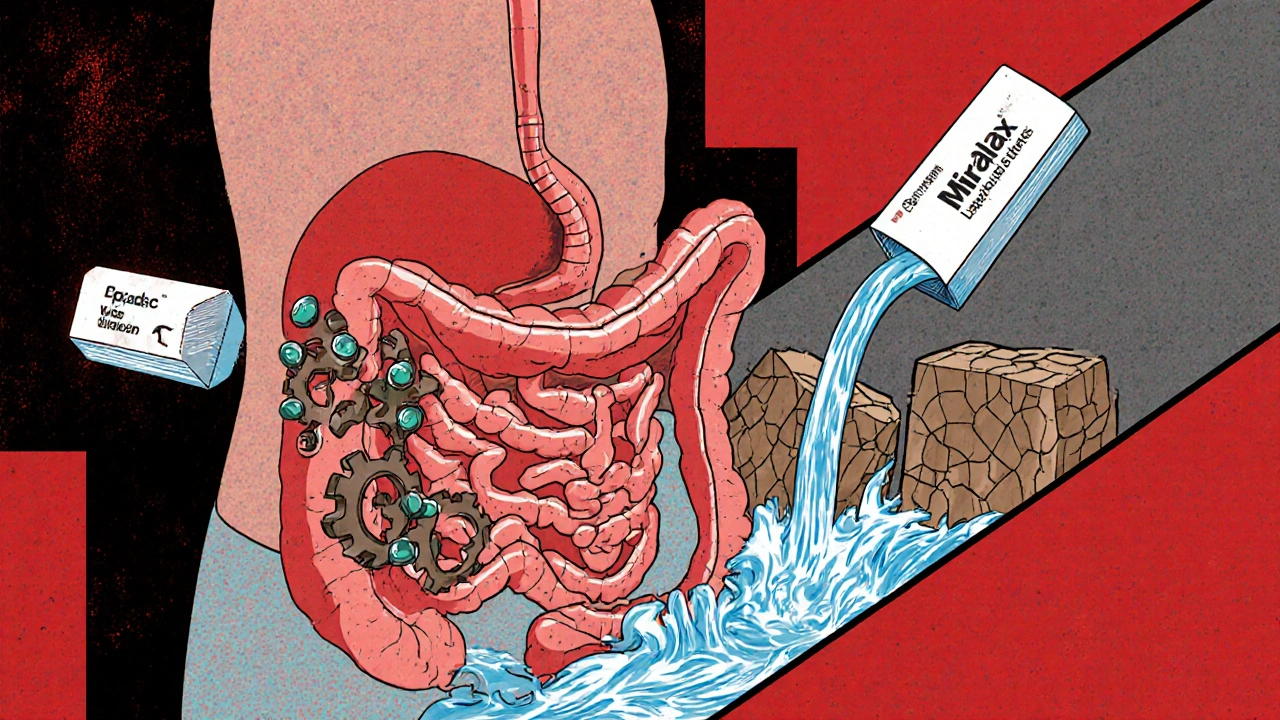
When you take opioids for chronic pain, opioid-induced constipation, a side effect caused by opioids slowing down gut movement. It’s not just uncomfortable—it can lead to bowel obstruction, nausea, and even hospitalization if ignored. Unlike regular constipation, this one doesn’t go away with more fiber or water. It’s built into how opioids work: they bind to receptors in your intestines, turning your gut into a slow-moving train with no brakes.
This isn’t rare. Up to 90% of people on long-term opioids deal with it. And doctors often don’t talk about it—because they’re focused on pain control. But here’s the truth: if your bowels aren’t moving, your body can’t absorb meds properly, your appetite drops, and your quality of life plummets. bowel motility, the natural muscle contractions that push food through your digestive tract gets shut down by opioids, and no amount of prunes will fix it. That’s why over-the-counter laxatives often fail. You need something that targets the root cause, not just the symptom.
There are newer treatments designed specifically for this. Drugs like naloxegol, a peripherally acting mu-opioid receptor antagonist that restores gut movement without affecting pain relief and methylnaltrexone, an injectable that blocks opioid effects in the gut only, work without dulling your pain relief. They’re not magic, but they’re the only options that actually reverse the problem. And yes, they’re often covered by insurance if your doctor says it’s medically necessary.
But here’s what most guides skip: lifestyle changes still matter. Moving your body—even a 10-minute walk after meals—can kickstart your gut. Drinking water helps, but not enough on its own. And don’t wait until you’re backed up for days. Start prevention early. Talk to your pharmacist about stool softeners like docusate or osmotic laxatives like polyethylene glycol—they’re safer than stimulant laxatives long-term.
What you won’t find in most articles is that opioid-induced constipation can worsen over time. The longer you’re on opioids, the more your gut adapts to being sluggish. That’s why some people end up needing enemas or manual disimpaction. It’s not dramatic—it’s common. And it’s preventable if you act before it becomes an emergency.
Below, you’ll find real guides from people who’ve been there: how to talk to your doctor about this without sounding like you’re complaining, which meds actually work (and which ones just make it worse), and what to do when your insurance denies coverage for the right treatment. No fluff. Just what works.
Opioid-induced constipation affects 40-60% of patients on long-term pain meds. Learn how to prevent it with early laxative use and when to switch to prescription PAMORAs for real relief.
READ MORE