Ozempic stomach issues: What causes them and how to manage them
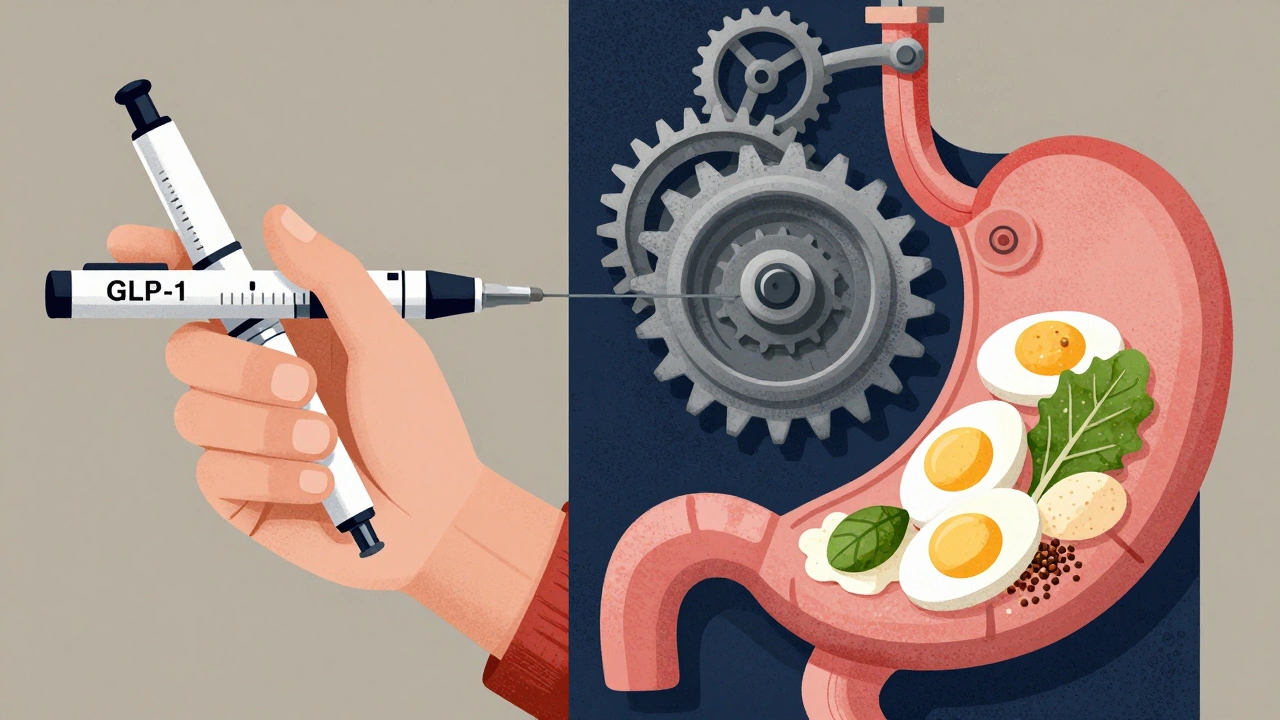
When you start taking Ozempic, a GLP-1 receptor agonist used for type 2 diabetes and weight loss. It works by slowing digestion and reducing appetite—but that same effect is why many people get stomach issues. Nausea, vomiting, bloating, and constipation aren’t rare side effects. In fact, up to half of users report them, especially in the first few weeks. This isn’t a flaw in the drug—it’s how it works. The problem isn’t that Ozempic is dangerous; it’s that your body needs time to adjust to its new rhythm.
These symptoms aren’t random. They’re tied to how Ozempic affects your gastrointestinal tract, the system that moves food through your body, from stomach to intestines. By slowing gastric emptying, it keeps food in your stomach longer, which reduces hunger but can make you feel full too fast or sick. People who’ve never taken a GLP-1 medication before are more likely to feel this. So are those who eat large meals, high-fat foods, or skip the gradual dose increase. It’s not about being weak—it’s about matching your habits to the drug’s action. The good news? Most symptoms fade after 4 to 8 weeks. And there are real, simple ways to cut them down: eat smaller portions, chew slowly, avoid greasy or sugary foods, and stay hydrated. Some people find relief with ginger tea or peppermint oil. If nausea hits hard, talk to your doctor about holding the dose a little longer before increasing it.
It’s also important to know when it’s more than just an adjustment. If you’re vomiting daily, losing weight fast without trying, or having severe abdominal pain, that’s not normal. These could signal pancreatitis or gallbladder issues—rare but serious. Your doctor may check your liver enzymes or do an ultrasound if symptoms don’t improve. And don’t assume all stomach trouble is from Ozempic. Other meds, stress, or even a stomach bug can mix in. Keep a simple log: what you ate, when you took the dose, and how you felt. That helps your provider spot patterns fast.
What you’ll find below are real, practical posts from people who’ve lived through this. Some share how they got through the first month without quitting. Others explain how to tell if it’s Ozempic or something else. You’ll see what works, what doesn’t, and how to talk to your doctor without sounding alarmist. This isn’t about fear—it’s about control. You don’t have to suffer through side effects to lose weight or manage your blood sugar. With the right info, you can make Ozempic work for you, not against you.
Learn how to manage GLP-1 GI side effects like nausea and bloating with smart meal planning and personalized dose titration. Reduce discontinuation risk and stay on track with proven, real-world strategies.
READ MORE