QT Prolongation: Risks, Drugs, and What You Need to Know
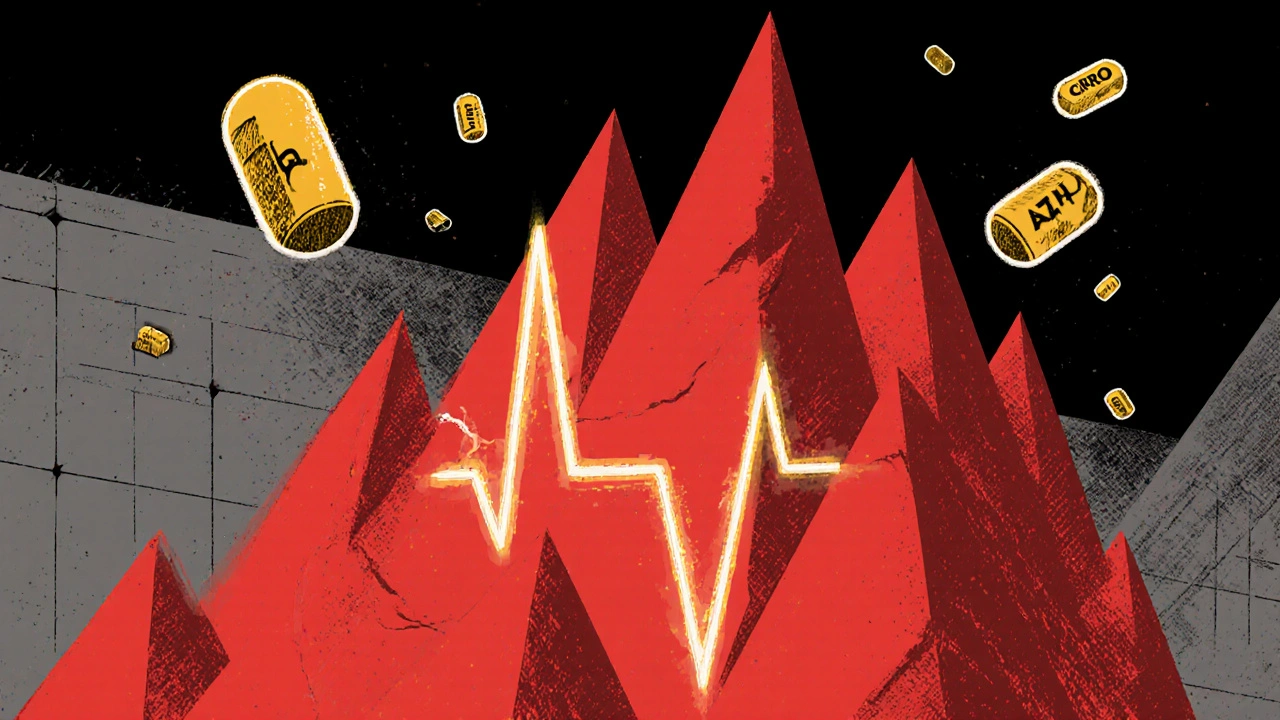
When your heart's electrical cycle takes too long to reset, it's called QT prolongation, a delay in the heart's repolarization phase that can trigger life-threatening arrhythmias. Also known as long QT syndrome, it's not always genetic—many cases are caused by medications, electrolyte imbalances, or underlying heart conditions. This isn't just a lab result you ignore. It's a silent warning sign that can lead to torsades de pointes, a chaotic heartbeat that may cause fainting, seizures, or sudden death.
Several common drugs can trigger QT prolongation. Antidepressants like citalopram, antibiotics like moxifloxacin, and even some OTC sleep aids containing diphenhydramine have been linked to this risk. People taking multiple medications at once are especially vulnerable because drug interactions can stack the effect. If you're on a medication known to affect heart rhythm, your doctor should check your electrolytes—low potassium, magnesium, or calcium makes QT prolongation much more likely. Even something as simple as excessive vomiting, diarrhea, or diuretic use can drop your levels enough to set off the problem.
It's not just about the drug list. Age, gender, and existing heart disease matter too. Women are at higher risk than men, and older adults are more sensitive to these effects. If you've ever passed out for no clear reason, or if you have a family history of sudden cardiac death before age 50, you should ask about getting an ECG. Many people don’t realize their medication is the culprit until something serious happens. The good news? If caught early, QT prolongation can often be reversed by stopping the drug, correcting electrolytes, or switching to a safer alternative.
Below, you’ll find real-world guides on medications that carry this risk—from sleep aids and antibiotics to diabetes and cholesterol drugs. These aren’t theoretical warnings. They’re based on actual cases, lab data, and clinical guidelines. Whether you're managing your own meds or helping someone else, this collection gives you the facts you need to spot danger before it strikes.
QT prolongation is a silent heart rhythm risk caused by many common medications. Learn which drugs raise arrhythmia danger, who’s most at risk, and how to prevent sudden cardiac events with simple ECG checks and smart prescribing.
READ MORE
Fluoroquinolones and macrolides can prolong the QT interval, raising the risk of deadly heart rhythms. Learn who’s at risk, how to monitor with accurate ECG measurements, and when to stop these antibiotics to prevent cardiac arrest.
READ MORE