Substitution Laws: What You Need to Know About Drug Switching Rules
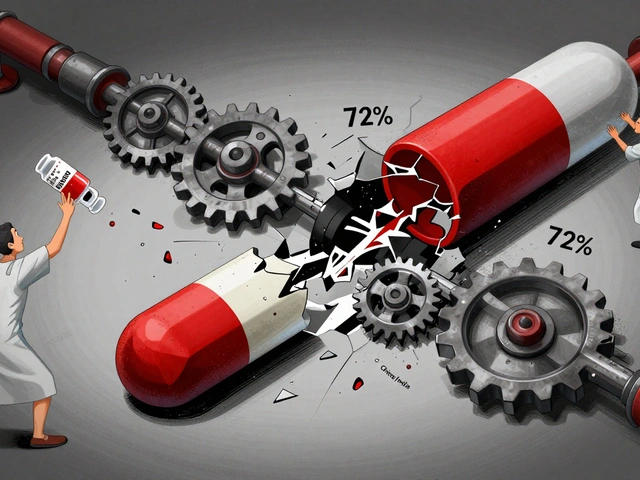
When a pharmacy swaps your brand-name drug for a cheaper generic, that’s not just a cost-saving trick—it’s governed by substitution laws, state and federal rules that determine when and how pharmacists can replace prescribed medications with alternatives. Also known as therapeutic substitution, these laws vary wildly from state to state and can affect everything from your blood pressure control to your seizure risk. These aren’t just paperwork—they’re safety nets, or sometimes, hidden traps.
Behind every drug swap is a institutional formulary, a list of approved drugs hospitals and insurers use to control costs and standardize care. These formularies directly influence what your pharmacist can give you, especially if you’re on a managed care plan. But here’s the catch: not all generics are equal. For drugs like phenytoin, which has a narrow therapeutic window, even tiny differences in absorption can trigger seizures or toxicity. That’s why therapeutic drug monitoring, the practice of checking blood levels after a switch, is critical for some meds but rarely required by law.
Then there’s the issue of pharmacy substitution laws, the legal framework that lets pharmacists swap drugs without consulting your doctor. In some states, they can do it automatically unless you or your prescriber says no. In others, they must call you first. This inconsistency is why your pill bottle looks different every time you refill—a problem highlighted in posts about prescription label layouts and drug safety. You might think switching to a generic is harmless, but for people on anticonvulsants, blood thinners, or thyroid meds, it’s not a coin flip—it’s a gamble.
And it’s not just about generics. Biosimilars, insulin analogs, even antibiotics like cefuroxime—when substitution laws don’t account for biological differences, immune responses, or absorption quirks, patients pay the price. That’s why posts on biosimilars immunogenicity and phenytoin and generics exist: because the law doesn’t always keep up with science.
What you’re about to read isn’t a legal textbook. It’s a practical guide to the hidden rules that decide what’s in your medicine cabinet. You’ll find real stories from people who got the wrong version of their drug, guides on how to fight unnecessary switches, and clear breakdowns of which medications are safest to swap—and which ones could cost you your health. These aren’t theoretical concerns. They’re daily realities for millions. And if you’ve ever wondered why your doctor didn’t warn you about this, you’re not alone.
Global Substitution Orders (GSOs) let companies replace themselves in thousands of debt cases with one court filing. The UK leads with fast, low-cost rules - but enforcement abroad is still messy. Here’s how international substitution laws really work.
READ MORE