Theophylline Toxicity: Signs, Risks, and How to Stay Safe
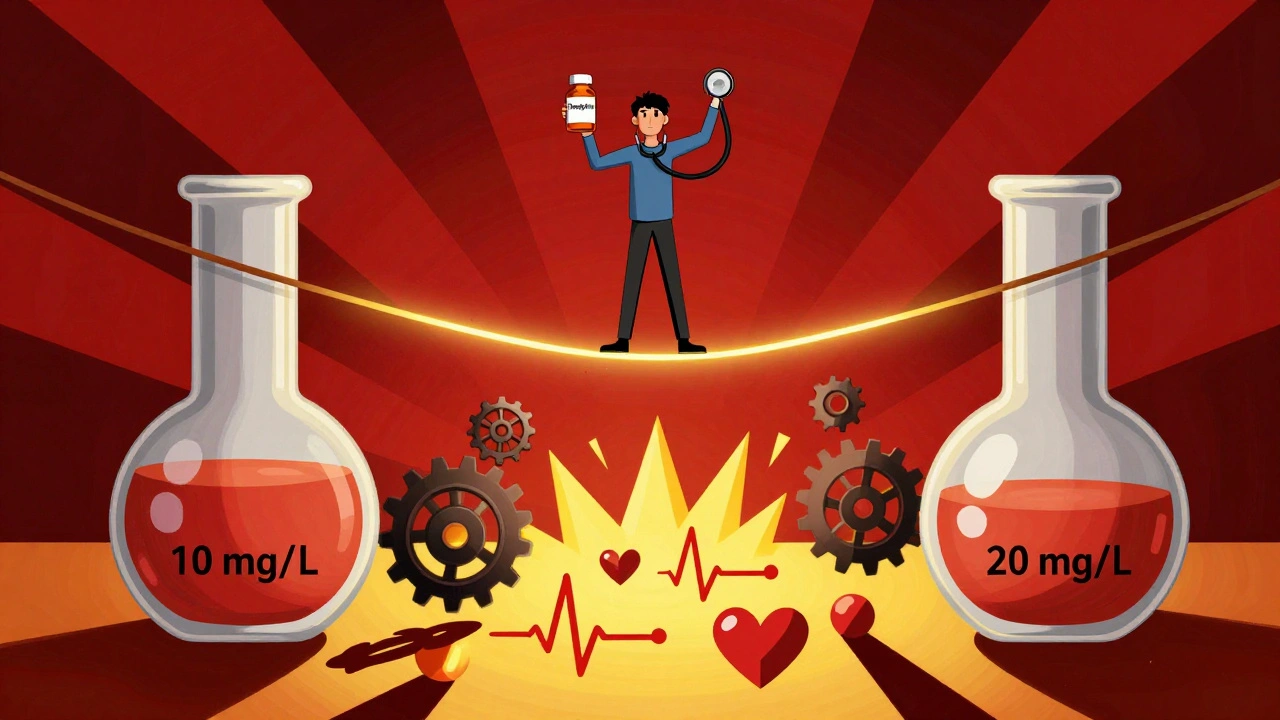
When your body can't clear theophylline, a bronchodilator used for asthma and COPD that has a very narrow safety window, it builds up to toxic levels. This isn't rare—many people on theophylline don’t realize how easily it can turn from helpful to harmful. Even a small dose change, a new antibiotic, or skipping a meal can push levels into danger. The therapeutic drug monitoring, the process of regularly checking blood levels of medications like theophylline to ensure they stay in the safe range isn’t optional—it’s essential. Without it, you’re flying blind.
Theophylline toxicity, a life-threatening condition caused by excessive levels of theophylline in the bloodstream doesn’t always start with obvious symptoms. Early signs? Nausea, shaky hands, a racing heartbeat. Later? Seizures, irregular heart rhythms, even cardiac arrest. It’s not just about taking too much—it’s about what else you’re taking. Antibiotics like ciprofloxacin, a common fluoroquinolone that slows down how fast the body breaks down theophylline, or even grapefruit juice can spike levels. Smoking, liver disease, or heart failure change how your body handles it too. That’s why your doctor needs to know everything: supplements, OTC meds, even your coffee intake. Caffeine and theophylline are cousins chemically—too much coffee can add up.
You won’t find clear warnings on most pill bottles. That’s why understanding your own meds matters. If you’re on theophylline, ask for your last blood level. Know what your target range is. Track any new symptoms. Don’t assume "it’s just a side effect"—it might be toxicity. The posts below cover how to read your prescription label, spot hidden interactions, and protect yourself from drugs that mess with your body’s ability to process medications. You’ll find real examples of what happens when theophylline meets antibiotics, how to talk to your pharmacist about risks, and why some people need blood tests every few weeks while others don’t. This isn’t theory—it’s about staying alive while managing a chronic condition. What you learn here could stop a hospital visit before it starts.
Theophylline is a powerful but risky asthma and COPD drug with a narrow therapeutic window. Without regular blood monitoring, even small changes in your body or medications can lead to life-threatening toxicity. Here’s why checking your levels isn’t optional.
READ MORE