Vitamin Safety: What You Need to Know to Avoid Overdose and Interactions
When it comes to vitamin safety, the practice of using vitamins in amounts that support health without causing harm. Also known as nutrient safety, it's not about taking the biggest bottle on the shelf—it's about understanding how your body uses these compounds and what happens when you push past natural limits. Most people think vitamins are harmless because they’re sold over the counter and labeled "natural." But that’s a myth. Fat-soluble vitamins like A, D, E, and K build up in your body over time. One daily multivitamin might be fine. Ten? That’s a different story. You don’t need a prescription to hurt yourself.
vitamin overdose, a condition caused by excessive intake of vitamins beyond the body’s ability to process or excrete them. Also known as hypervitaminosis, it’s more common than you think—especially with vitamin D and A. People take high-dose supplements thinking they’ll boost immunity or energy, but end up with nausea, dizziness, liver damage, or even bone loss. And it’s not just about pills. Some fortified foods, like energy bars or flavored waters, pack in extra vitamins too. If you’re already eating a balanced diet and taking a daily multivitamin, extra doses often do nothing but fill your urine with expensive yellow pee. Then there’s vitamin interactions, how vitamins can change how your medications work—or how your body absorbs them. For example, vitamin K can make blood thinners like warfarin less effective. High doses of vitamin E might increase bleeding risk when paired with aspirin or NSAIDs. Even magnesium supplements can interfere with thyroid meds or antibiotics if taken at the same time. These aren’t rare cases. They show up in ERs and pharmacy logs all the time. You wouldn’t mix cleaning chemicals without reading the labels. Why treat vitamins like they’re harmless candy?
The real issue isn’t that vitamins are bad—it’s that we treat them like they’re invisible. No one checks your vitamin levels before you start taking 5,000 IU of D every day. No pharmacist asks if you’re stacking iron with calcium. And doctors rarely bring it up unless you’re already sick. But the risks are real: liver strain from too much niacin, nerve damage from excess B6, kidney stones from too much vitamin C. Even your favorite fish oil supplement can interact with blood pressure meds. Vitamin safety isn’t about avoiding supplements—it’s about using them wisely, knowing your limits, and talking to someone who understands how they fit into your whole health picture.
Below, you’ll find real-world guides on how to spot dangerous combinations, what levels are actually safe, and which supplements are more trouble than they’re worth. No fluff. No marketing. Just what you need to know before you open another bottle.
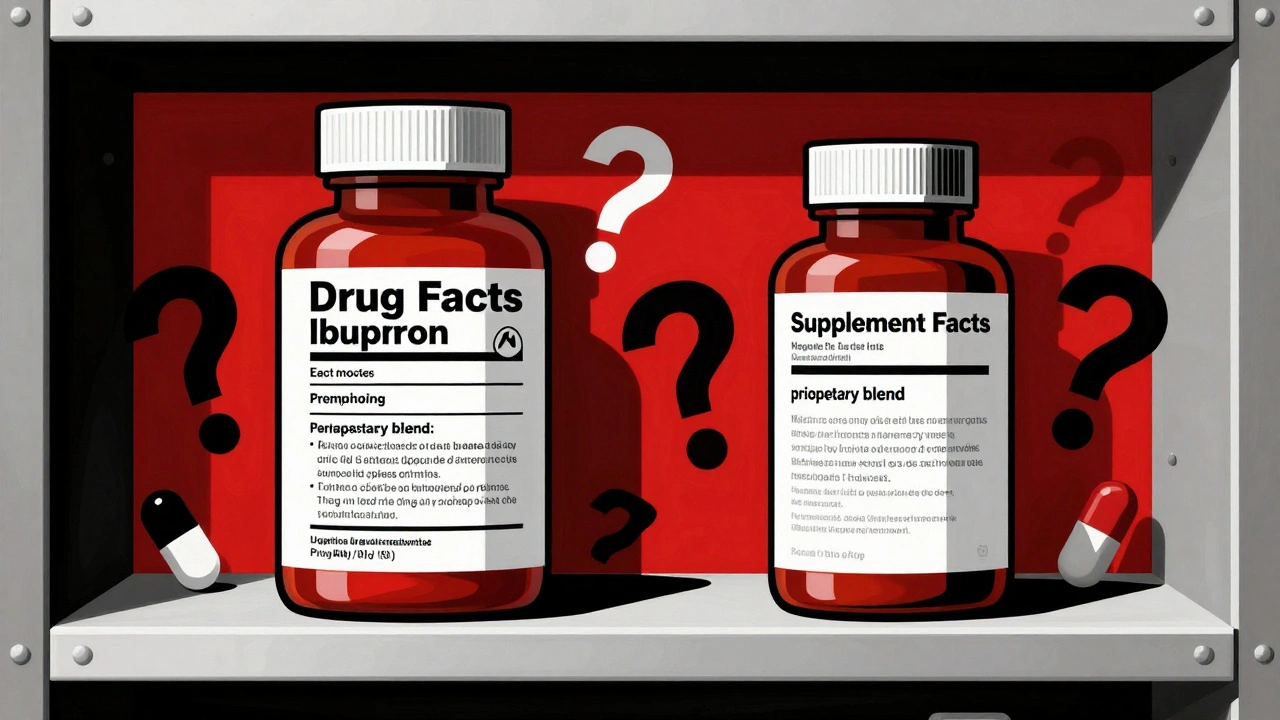
OTC vitamin and supplement labels look like medicine labels, but they hide critical safety info. Learn what the Supplement Facts panel doesn't tell you-and how to protect yourself from hidden risks.
READ MORE