
C. diff Infection: Causes, Symptoms, and Prevention Strategies
Every year, nearly half a million people in the U.S. get sick from C. diff. Most cases happen after taking antibiotics. This infection can start as mild diarrhea and quickly turn into a life-threatening emergency. Let's break down what it is, why it happens, and how to protect yourself.
What is Clostridioides difficile?
Clostridioides difficile (often called C. diff) is a spore-forming bacterium that produces toxins damaging the colon. First documented in the 1950s, it became a major concern after a 1978 clindamycin outbreak. Today, it's the most common bacterial cause of diarrhea in hospitals. The CDC reports nearly 500,000 U.S. cases annually.
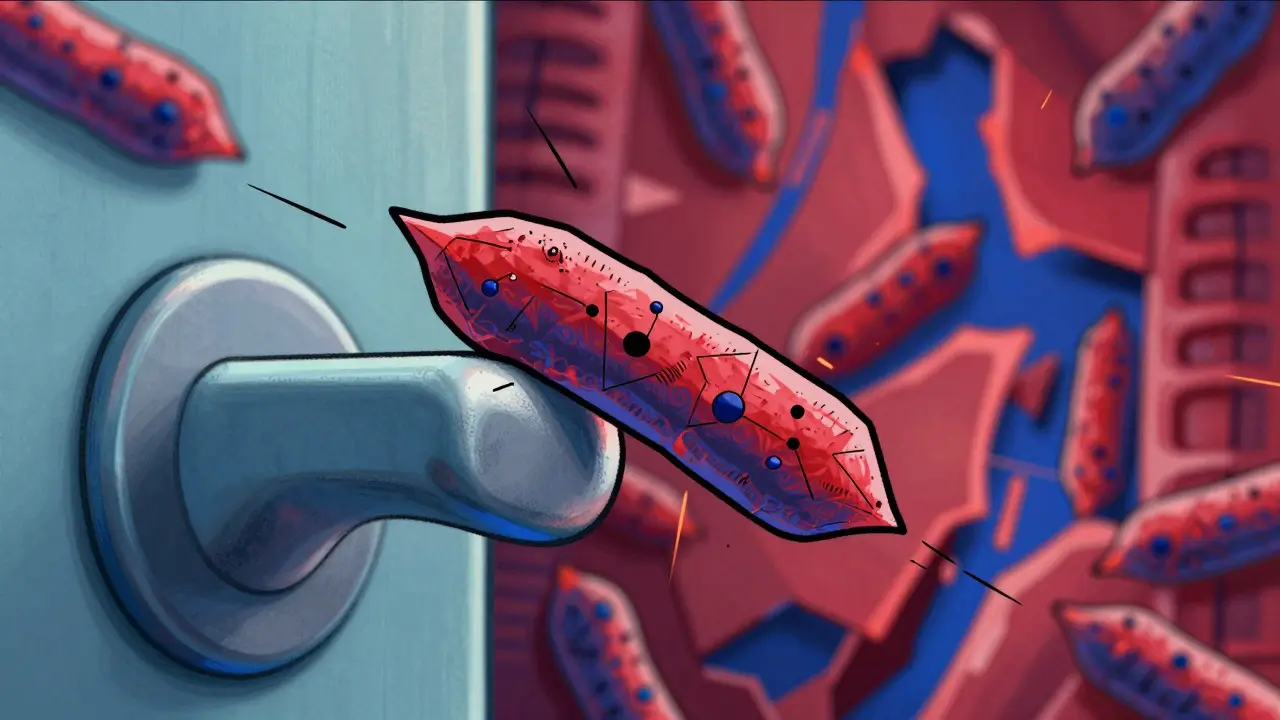
C. diff spores survive for months on surfaces like doorknobs, bedrails, and medical equipment. They spread through the fecal-oral route. If you touch contaminated surfaces and then eat without washing hands, you can ingest the spores.
How Antibiotics Trigger C. diff
Antibiotics are lifesavers, but they don't distinguish between good and bad bacteria. When you take them, especially broad-spectrum ones like fluoroquinolones or clindamycin, they wipe out helpful gut bacteria. This creates an opening for C. diff to multiply unchecked.
Here's what happens: Normally, your gut has a balance of microbes that keep C. diff in check. Antibiotics disrupt this balance. Without competition, C. diff produces toxins that attack the colon lining. This causes inflammation, diarrhea, and sometimes severe colitis.
Research shows antibiotics cause 15-25% of all antibiotic-associated diarrhea cases. The risk increases with longer antibiotic courses and certain types. Fluoroquinolones, third-generation cephalosporins, and clindamycin carry the highest risk.
Recognizing Symptoms
Symptoms usually appear 5-10 days after starting antibiotics but can happen anytime from the first day to two months later. Mild cases involve:
- Watery diarrhea (three or more times a day)
- Mild abdominal cramps
- Low-grade fever
Severe cases include:
- Frequent watery or bloody stools
- High fever (over 100.4°F)
- Severe abdominal pain and swelling
- Nausea and loss of appetite
- Dehydration symptoms like dizziness or dark urine
Left untreated, C. diff can lead to life-threatening complications like colon perforation or toxic megacolon. If you're on antibiotics and notice these symptoms, don't wait—contact your doctor immediately.

Diagnosis Challenges
Testing for C. diff isn't straightforward. Many tests have limitations. The CDC recommends a two-step process:
- Initial glutamate dehydrogenase (GDH) test to detect the bacteria
- Follow-up toxin test or nucleic acid amplification test (NAAT) for confirmation
Single tests miss up to 30% of cases. False negatives are common because:
- Asymptomatic carriers exist (5-15% of healthy adults)
- Toxin levels fluctuate during infection
- Some strains produce fewer toxins
Doctors also consider clinical symptoms. If you have diarrhea and recent antibiotic use, they'll test even if symptoms seem mild. Misdiagnosis is dangerous—mistaking C. diff for food poisoning or stomach flu can delay treatment.
Current Treatment Guidelines
Treatment has changed dramatically in recent years. The 2021 IDSA/SHEA guidelines updated recommendations based on new evidence. Here's what works now:
| Treatment | Dosage | Recurrence Rate | Best for |
|---|---|---|---|
| Fidaxomicin | 200 mg twice daily for 10 days | 15-20% | First-line for most cases |
| Vancomycin | 125 mg four times daily for 10 days | 25-30% | Alternative first-line |
| Fecal Microbiota Transplant (FMT) | Single procedure | 10-15% after FMT | Recurrent infections |
Fidaxomicin (brand name Dificid) is now the top choice for initial treatment. It targets C. diff more specifically than vancomycin, preserving more healthy gut bacteria. Studies show it reduces recurrence rates by 40% compared to vancomycin.
Vancomycin remains an alternative when fidaxomicin isn't available. It's taken four times daily for 10 days. While effective, it has higher recurrence rates because it disrupts gut bacteria more broadly.
Metronidazole is no longer recommended for C. diff treatment. Earlier guidelines used it, but newer data shows higher failure rates and more side effects. The IDSA/SHEA guidelines explicitly state it should not be used as first-line therapy.
For recurrent infections, Fecal Microbiota Transplant (FMT) is highly effective. This procedure transfers healthy donor stool into the patient's colon, restoring gut bacteria. Clinical trials show 85-90% success rates in preventing further recurrences.

Effective Prevention Strategies
Preventing C. diff starts with smart antibiotic use. Here's what works:
- Antibiotic stewardship: Hospitals with stewardship programs reduce C. diff rates by 25-30%. This means using antibiotics only when necessary and choosing the narrowest-spectrum option.
- Proper disinfection: Standard hospital cleaners don't kill C. diff spores. Use EPA List K disinfectants containing bleach or hydrogen peroxide. These are required for surfaces in patient rooms.
- Hand hygiene: Wash hands with soap and water—alcohol-based sanitizers don't kill spores. This is critical for healthcare workers and visitors.
- Isolation precautions: Infected patients need private rooms and dedicated equipment. Contact precautions reduce transmission by 40-50%.
Surprisingly, probiotics aren't recommended for prevention. The American College of Gastroenterology states there's insufficient evidence they help. In fact, some studies suggest they might increase risk in certain cases.
What to Do If You Suspect C. diff
If you're taking antibiotics and develop diarrhea:
- Don't stop antibiotics without consulting your doctor
- Call your healthcare provider immediately—don't wait for symptoms to worsen
- Stay hydrated and avoid anti-diarrheal medications (they can trap toxins)
- Follow isolation guidelines if hospitalized to prevent spreading the infection
Early treatment improves outcomes. Delaying care increases risks of severe complications. Remember, C. diff is treatable, but recognizing symptoms quickly is key.
Can probiotics prevent C. diff?
No. The American College of Gastroenterology and other experts no longer recommend probiotics for C. diff prevention. A 2022 Cochrane review of 39 trials found no significant reduction in C. diff cases. In fact, some probiotics might even worsen outcomes in certain patients.
How soon after antibiotics do C. diff symptoms start?
Symptoms usually begin 5-10 days after starting antibiotics, but they can appear as early as the first day or as late as two months later. This wide range makes it easy to miss the connection between antibiotics and diarrhea.
What disinfectants kill C. diff spores?
Only EPA List K disinfectants work against C. diff spores. These contain bleach (sodium hypochlorite) or hydrogen peroxide. Standard hospital cleaners like quaternary ammonium compounds won't destroy the tough spores.
Is C. diff contagious?
Yes, C. diff spreads easily through the fecal-oral route. Spores can live on surfaces for months. Touching contaminated objects and then eating without washing hands can transmit the infection. Healthcare workers and visitors must follow strict hand hygiene protocols.
Why is metronidazole no longer used for treatment?
Metronidazole was once a common treatment, but studies show it has higher failure rates and more side effects than fidaxomicin or vancomycin. The 2021 IDSA/SHEA guidelines explicitly removed it from first-line recommendations due to evidence of inferior outcomes.





Had C. diff after antibotics last year. Diarrhea was brutal. Learned to wash hands with soap, not sanitizer. Bleach-based cleaners are a must. :(
Actually, the CDC recommends EPA List K disinfectants specifically for C. diff spores. Regular cleaners won't kill them. Also, antibiotic stewardship programs in hospitals cut C. diff rates by 25-30%. Hand hygiene is critical-soap and water over sanitizer.
Metronidazole is no longer recommended for C. diff treatment due to higher failure rates. Fidaxomicin is now the first-line therapy per IDSA/SHEA guidelines. Vancomycin is an alternative but has higher recurrence rates.
Based on the 2021 IDSA/SHEA guidelines, fidaxomicin demonstrates superior efficacy in reducing recurrence rates compared to vancomycin. Its narrow-spectrum activity targets C. diff while preserving gut microbiota. This is critical for long-term outcomes and preventing subsequent infections. Fidaxomicin works by inhibiting RNA polymerase in C. diff, which is more specific than vancomycin's mechanism. This specificity helps maintain the gut's natural flora, reducing the chance of future infections. Studies show fidaxomicin lowers recurrence rates by up to 40% compared to vancomycin. Vancomycin, while effective, disrupts more gut bacteria, leading to higher recurrence. The CDC recommends fidaxomicin as first-line for initial C. diff treatment. However, access to fidaxomicin can be limited due to cost. Some hospitals still use vancomycin because of budget constraints. But the evidence is clear: fidaxomicin is better for patients. It's not just about treating the current infection but preventing future ones. Healthcare providers should prioritize fidaxomicin when possible. Patients should ask about it if prescribed antibiotics. The future of C. diff treatment is moving towards more targeted therapies. We need to educate doctors and patients about these options. This could save countless lives and reduce healthcare costs long-term.
I can't believe hospitals still use vancomycin. Fidaxomicin is clearly better. Why are they so slow to adopt it? Also, probiotics are a complete waste of money. Stop pushing them!
Big Pharma is behind this. Fidaxomicin is expensive, so they want hospitals to use vancomycin to save costs. Probiotics actually work if you take the right strain, but the FDA suppresses the data. It's all about money, not health.
While cost is a factor in healthcare decisions, the evidence for fidaxomicin's efficacy is solid. However, access issues are real. We need systemic changes to ensure equitable treatment options, not just conspiracy theories.
America's healthcare system is top-notch. We're leading in C. diff treatment. Fidaxomicin is available here, unlike some countries. Good job, US medical community!
Yes US healthcare is amazing 🌟 probiotics are useless 😒 bleach is the only way to kill spores 💡
I've had C. diff twice! It's terrifying! Diarrhea non-stop! You MUST wash hands with soap! Alcohol sanitizer doesn't work! Use bleach! Always! This is life-or-death! Please take it seriously!!
Stay hydrated! Don't take anti-diarrheals! Call your doctor immediately! You can beat this! 💪
Symptoms usually start 5-10 days after antibiotics but can occur anytime from day 1 to 2 months later. Important to monitor closely.
Exactly. The wide symptom onset window complicates diagnosis. Doctors should test for C. diff even with mild diarrhea in patients on antibiotics. Early detection prevents severe complications.
Probiotics are useless. Don't waste money.