
Metformin Myths and Facts: Tolerability, B12, and Long-Term Use
Metformin is the most prescribed diabetes medication in the world. Over 160 million prescriptions are filled for it every year in the U.S. alone. Yet, despite its widespread use, confusion still surrounds it. Many people believe it’s hard on the stomach, causes dangerous side effects, or leads to permanent vitamin B12 loss. The truth? Most of what you’ve heard is either outdated, exaggerated, or plain wrong.
Myth: Metformin Is Too Hard on the Stomach
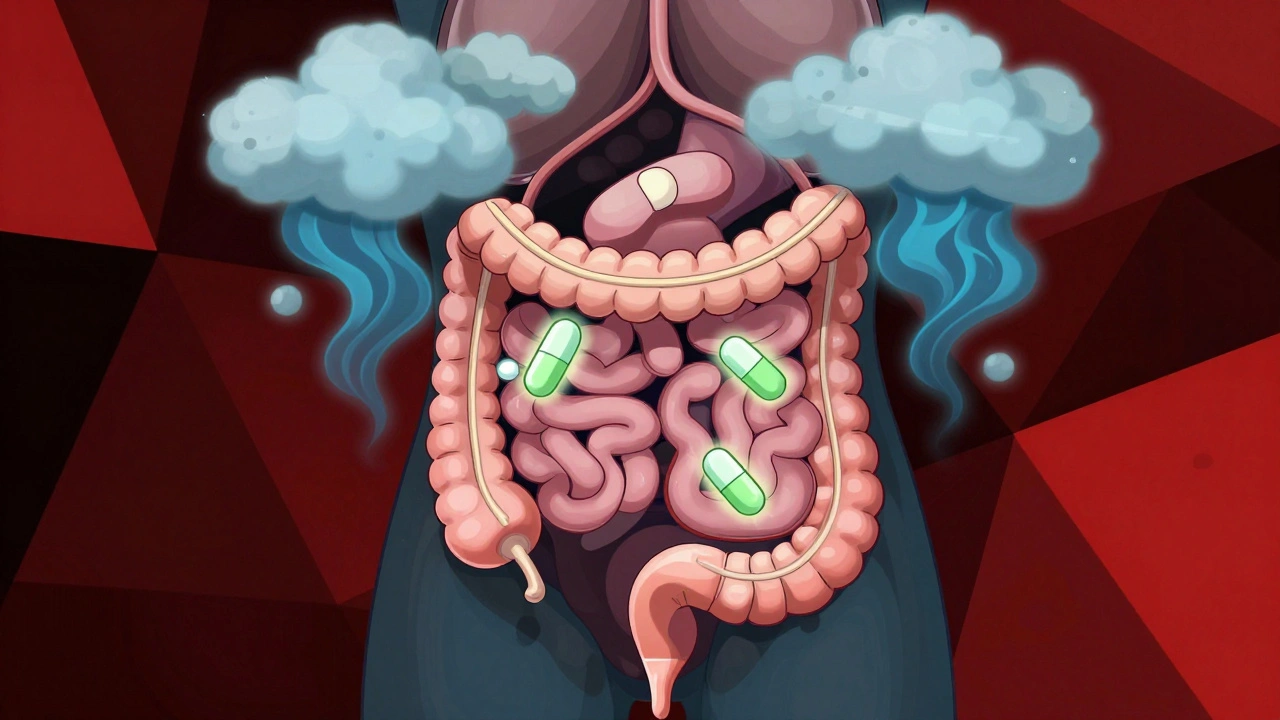
It’s true - when you first start metformin, nausea, diarrhea, and stomach cramps are common. About 28% of people experience these symptoms in the first few weeks, according to the Diabetes Prevention Program. But here’s what no one tells you: these side effects usually fade.
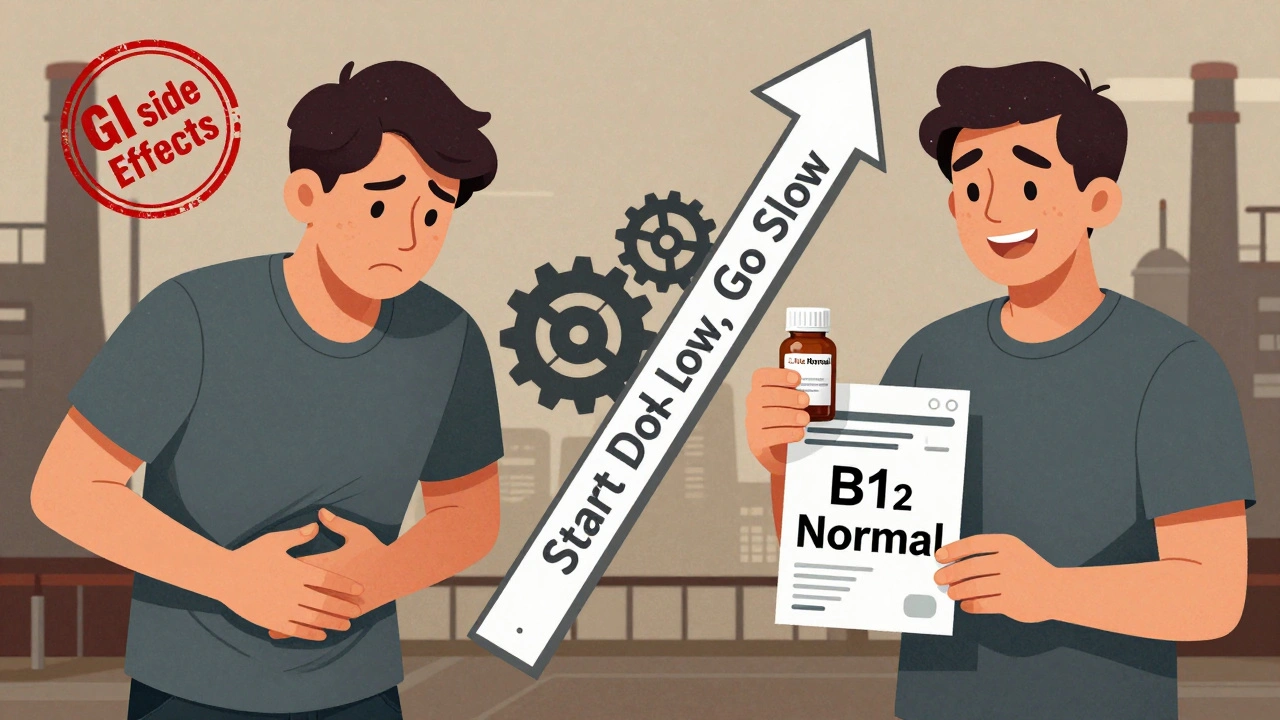
In the 15-year follow-up of the same study, people on metformin reported GI issues at the same rate as those on placebo. That’s right - after a year or two, most people don’t feel any different from someone not taking the drug. The body adapts. The key is starting low and going slow. The standard advice? Begin with 500 mg once a day with dinner. Increase by 500 mg every week until you reach your target dose. This simple step cuts discontinuation rates in half.
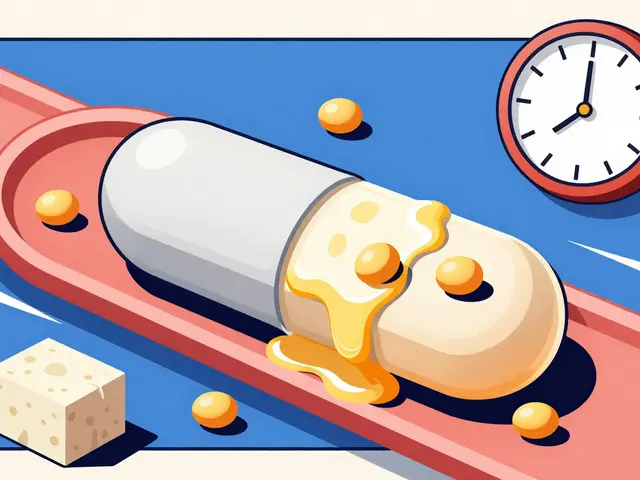
And if symptoms stick around? Switch to the extended-release version - metformin XR. A 2022 study showed that switching from immediate-release to XR reduced diarrhea from 18% to under 8%. One Reddit user, Type2Warrior87, said: “Had terrible diarrhea for two weeks on regular metformin. Switched to XR once daily at dinner - zero issues after six months.” That’s not luck. That’s science.
Myth: Metformin Causes Lactic Acidosis - It’s Deadly
Lactic acidosis sounds terrifying. And it’s real - but it’s also incredibly rare. The FDA estimates only 3 to 10 cases per 100,000 patient-years. That’s less likely than being struck by lightning. Most cases happen in people who have severe kidney disease, liver failure, or are severely dehydrated - conditions where metformin shouldn’t be used in the first place.
For healthy people with normal kidney function, metformin doesn’t build up in the blood. It doesn’t interfere with lactic acid clearance. The 15-year Diabetes Prevention Program Outcomes Study tracked over 3,000 people and found no increase in lactic acidosis among metformin users. Even in older adults, as long as their eGFR stays above 30, metformin is safe.
The fear of lactic acidosis comes from an old drug called phenformin, pulled from the market in the 1970s because it caused this problem. Metformin is not phenformin. It’s safer, better studied, and far less risky.
Myth: Metformin Makes You Lose Weight - So It’s a Magic Weight Loss Drug
Yes, metformin can help with modest weight loss - about 2 to 3% of body weight over 10 to 15 years. But that’s not the same as losing 20 pounds in a month. It’s not a miracle. It’s not a substitute for diet or exercise. In fact, the weight loss is mostly due to reduced appetite and less insulin-driven fat storage, not increased metabolism.
Compare that to newer drugs like semaglutide or tirzepatide, which can cause 15-20% weight loss. Metformin’s weight effect is subtle. But here’s the real win: while other diabetes drugs like insulin or sulfonylureas make you gain weight, metformin doesn’t. That’s why it’s still the first choice for overweight people with type 2 diabetes. It doesn’t add pounds - and it helps you keep them off.
Fact: Long-Term Use Can Lower Vitamin B12 Levels
This is the one myth that’s actually true - and it’s often ignored.
Long-term metformin use - especially over four years - is linked to lower vitamin B12 levels. A 2020 review of 18 studies found that people on metformin had, on average, a 19% drop in B12 compared to those not taking it. Up to 30% of long-term users develop deficiency. And B12 deficiency isn’t harmless. It can cause fatigue, nerve damage, memory problems, and even anemia.
The American Diabetes Association now recommends checking B12 levels every 2 to 3 years for people on metformin, especially if they have numbness, tingling, or unexplained fatigue. It’s simple, cheap, and preventable. If levels are low, a daily B12 supplement - even just 1,000 mcg - can reverse it. No need to stop metformin. Just add the vitamin.
Some European guidelines require testing every two years. The ADA says “periodic” - which means don’t wait until you feel awful. Ask your doctor for a simple blood test. It takes five minutes. The fix takes seconds.
Myth: Metformin Is Outdated - Newer Drugs Are Better
There’s no denying that newer diabetes drugs like SGLT2 inhibitors and GLP-1 agonists have impressive benefits - especially for heart and kidney protection. But that doesn’t make metformin obsolete.
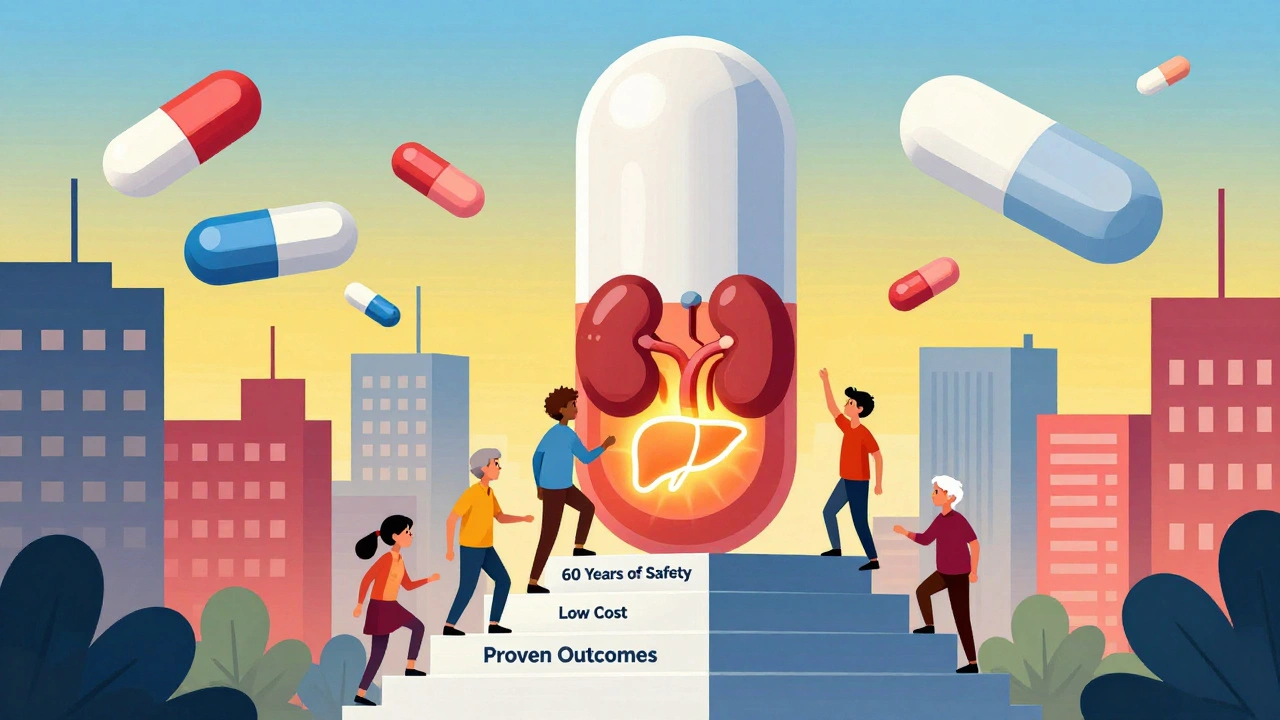
Metformin still has the strongest long-term safety data. It’s been used for over 60 years. It’s been studied in more than 100,000 people. No other diabetes drug comes close. The American Diabetes Association, the European Association for the Study of Diabetes, and the American College of Physicians all still call it the first-line treatment.
And cost? Metformin costs $4 to $10 a month as a generic. A single month of a newer drug can cost $800 or more. Insurance won’t always cover them unless you’ve tried metformin first. That’s not a loophole - it’s evidence-based policy.
Even the American Association of Clinical Endocrinologists rates metformin a 9.2 out of 10 for initial treatment. That’s higher than most other diabetes drugs. It’s not about being trendy. It’s about being reliable.
Myth: You Can’t Take Metformin If You Have Kidney Problems
This myth is slowly dying - but it still causes unnecessary fear.
For years, doctors avoided metformin if your eGFR (a measure of kidney function) was below 60. Now, guidelines have changed. The FDA updated its label in 2016, and the ADA followed in 2023. You can safely take metformin with an eGFR as low as 30. Below that? Stop it. But between 30 and 60? Use lower doses and monitor kidney function every 3 to 6 months.
Many people with mild kidney decline are taken off metformin unnecessarily - and then put on a more expensive, riskier drug. That’s not better care. It’s outdated thinking. If your kidneys are working at 45%, you’re not at high risk for lactic acidosis. You’re just a person with early kidney changes - and metformin can still help you control your blood sugar safely.
Myth: Metformin Causes Liver Damage
No. Metformin doesn’t harm the liver. In fact, it’s often used in people with fatty liver disease - a common condition in type 2 diabetes. Studies show it can actually reduce liver fat and improve liver enzyme levels. It’s not a liver toxin. It’s a liver helper.
If you have severe liver disease - like cirrhosis - then yes, avoid metformin. But that’s because your body can’t clear lactic acid properly, not because metformin is toxic to your liver. For most people with fatty liver or mild liver enzyme elevations, metformin is a safe and even beneficial choice.
Myth: Once You Start Metformin, You’re on It Forever
Not true. Many people stop metformin after losing weight, improving diet, or increasing activity. If your A1C drops to normal and stays there for six months or more, your doctor may suggest reducing or stopping it. That’s not failure. That’s success.
And if you need to restart it later? No problem. Metformin still works. There’s no “tolerance” built up. It’s not addictive. It doesn’t lose effectiveness over time. You’re not locked in.
Myth: Metformin Is Only for Type 2 Diabetes
While it’s primarily used for type 2, metformin is also prescribed off-label for prediabetes, PCOS, and even weight management in non-diabetic people. The Diabetes Prevention Program proved it reduces the risk of developing type 2 diabetes by 31% in high-risk adults - better than some lifestyle programs.
Women with PCOS often take it to regulate periods and improve fertility. Studies show it helps with insulin resistance, which is at the root of many PCOS symptoms. It’s not FDA-approved for these uses - but decades of real-world use and research support it.
What to Do If You’re on Metformin
- Start low: 500 mg once daily with dinner.
- Go slow: Increase by 500 mg every week.
- Switch to XR if GI issues persist.
- Get your B12 checked every 2-3 years.
- Don’t panic about kidney numbers - talk to your doctor, don’t quit.
- Take it with food - it helps.
- Don’t stop it suddenly unless your doctor says so.
Metformin isn’t perfect. But it’s the most studied, safest, cheapest, and most effective first-step drug for type 2 diabetes we’ve ever had. The side effects are manageable. The long-term risks are small. And the benefits? They last for decades.
If you’re on it and feeling okay - keep going. If you’re not on it but have type 2 diabetes - talk to your doctor about starting. And if you’re worried about B12 or stomach issues? Ask for help. You don’t have to suffer through side effects. There are solutions. You just need to know where to look.
Does metformin cause weight gain?
No, metformin does not cause weight gain. In fact, it’s one of the few diabetes medications that can lead to modest weight loss - typically 2-3% of body weight over several years. Unlike insulin or sulfonylureas, which often increase appetite and fat storage, metformin reduces insulin resistance and may slightly suppress appetite. This makes it ideal for people with type 2 diabetes who are overweight or obese.
How long does it take for metformin side effects to go away?
Most gastrointestinal side effects - like nausea, diarrhea, and stomach cramps - improve within a few weeks. Studies show that by the end of the first year, side effect rates drop to match those of people not taking the drug. Gradually increasing the dose and switching to the extended-release (XR) version can speed up this process. If symptoms last longer than three months, talk to your doctor about adjusting your dose or formulation.
Can I stop metformin if my blood sugar improves?
Yes, if your blood sugar stays in the normal range for at least six months due to lifestyle changes - like weight loss, better diet, or more exercise - your doctor may suggest reducing or stopping metformin. This is a sign of success, not failure. However, never stop it on your own. Stopping suddenly can cause blood sugar to rise quickly. Always work with your healthcare provider to taper safely if needed.
Is metformin safe for people with kidney disease?
Metformin is safe for most people with mild to moderate kidney disease (eGFR 30-59 mL/min). Guidelines changed in 2016 and 2023 to reflect this. You should avoid it only if your eGFR is below 30, or if you have severe liver disease or acute illness that affects kidney function. For eGFR between 30 and 45, your doctor may lower your dose. Regular monitoring is key - but metformin doesn’t need to be stopped just because you have early kidney changes.
Why does metformin lower vitamin B12?
The exact mechanism isn’t fully understood, but research suggests metformin interferes with calcium-dependent absorption of vitamin B12 in the ileum (part of the small intestine). Long-term use - especially over four years - reduces B12 levels by about 19% on average. This is more common in older adults, vegetarians, and people taking high doses. The good news? It’s easily fixed with oral B12 supplements (1,000 mcg daily) or injections if deficiency is severe.
Is metformin XR better than regular metformin?
Yes, for most people who struggle with stomach upset. Metformin XR releases the drug slowly over time, which reduces spikes in blood concentration that cause nausea and diarrhea. Studies show switching from immediate-release to XR cuts GI side effects by more than half. It also allows for once-daily dosing, which improves adherence. The total daily dose is the same - just delivered differently. If you’re having trouble tolerating regular metformin, ask your doctor about switching to XR.





Metformin? Please. I've seen better drugs in my grandpa's 1980s pharmacy. This whole thing is just Big Pharma keeping old junk on the shelf because it's cheap. You think this is science? It's corporate inertia.
I was terrified of metformin when I started but switched to XR and it changed everything. No more midnight bathroom runs. And I got my B12 checked last year - low as hell. Took a supplement and my energy came back. Simple fix. Don't let fear stop you from living.
Yo 👋 metformin XR is the MVP of diabetes management. 🏆 GI issues? Switch. B12 drop? Supplement. Kidney numbers? Don't panic - just monitor. You're not broken, you're just optimizing. Trust the data, not the fear. #MetforminWins
I've been on this stuff for 12 years... and yeah, I got the B12 thing, but I also got the weight loss, the stable sugars, and the fact that I pay $5 a month for it. Meanwhile my cousin is on Ozempic and pays $1200 and still gets nausea. So yeah, metformin's still king. Don't let the new kids fool you.
The FDA and ADA are compromised. They push metformin because it's cheap, not because it's safe. You think they care about your B12? They care about profit margins. This is slow poisoning disguised as prevention.
There's something deeply human about how we treat medicine - we either idolize it or demonize it. Metformin isn't magic. It isn't evil. It's a tool. It works for millions because it interacts with biology, not marketing. The real question isn't whether it's perfect - it's whether we're willing to use it wisely. Check your B12. Take it slow. Listen to your body. That's the real prescription.
Wait... so you're telling me they've been giving this to people for 60 years and nobody noticed the B12 thing until now? That's not a coincidence. That's a cover-up. They knew. They knew and they didn't tell us. Why? Because if people stopped taking it, the profits would drop. And the real cure? Fasting. That's what they don't want you to know.
The evidence supporting metformin's safety profile, particularly in the context of long-term use among patients with preserved renal function, is robust and consistently replicated across longitudinal cohort studies. The incidence of lactic acidosis remains statistically negligible when contraindications are respected. Furthermore, the association between prolonged metformin exposure and reduced serum vitamin B12 levels is well-documented in peer-reviewed meta-analyses, necessitating routine biochemical surveillance. Clinical guidelines from the ADA and EASD remain aligned with these findings. Adherence to titration protocols and consideration of extended-release formulations significantly mitigate gastrointestinal intolerance. The pharmacoeconomic advantage, coupled with mortality reduction in type 2 diabetes, solidifies its position as first-line therapy.
Metformin... it's like the quiet monk in the monastery. No flashy robes. No chants. Just sitting there, steady, for decades. People want miracles. But sometimes the miracle is just... not getting worse. That's all it does. And maybe that's enough.