
OTC Medication Expiration Dates: What Matters and What Doesn’t
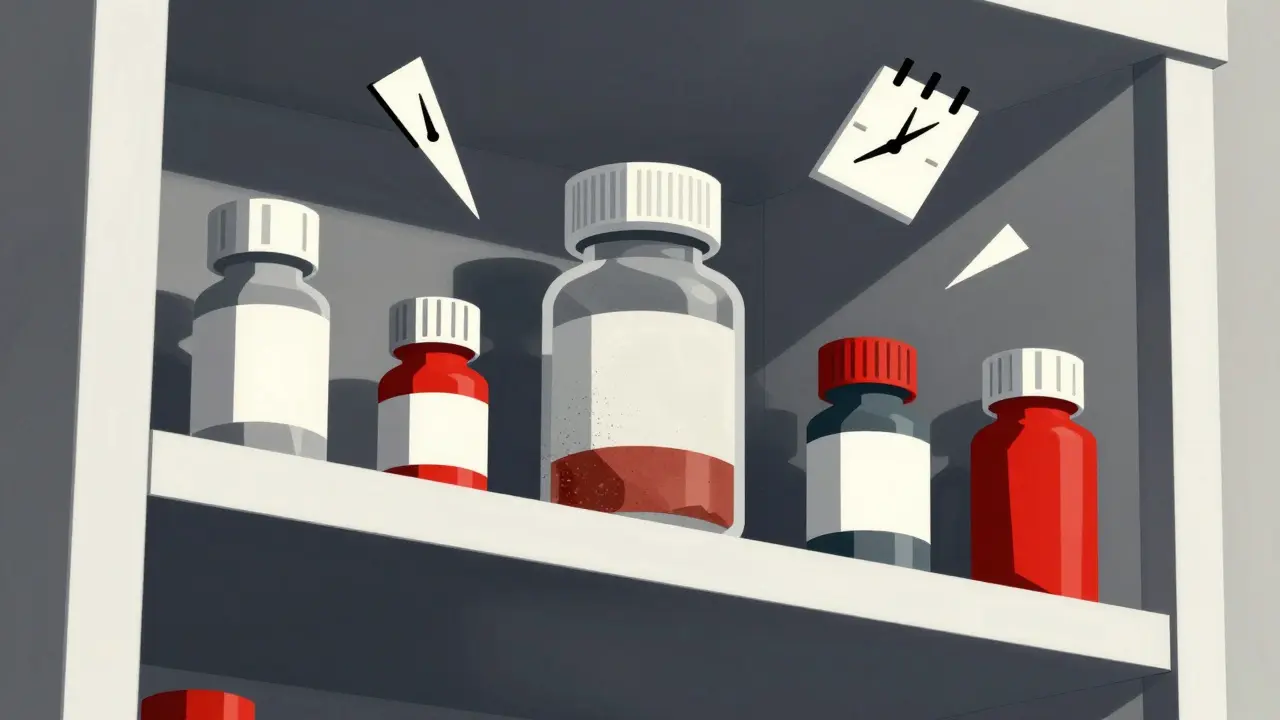
You probably have at least one bottle of pills gathering dust right now. Maybe it’s that half-full bottle of antihistamines from last allergy season or pain relievers you bought during a cold wave two years ago. When the label says "Exp: 03/25" and you realize it’s already passed, the question hits hard: do I trash it or take the risk? This confusion over OTC Medication Expiration Dates costs millions of dollars annually in wasted medicine, yet the science behind those dates is far more nuanced than most realize.
What the Expiration Date Actually Promises
The expiration date printed on your medicine bottle isn't just a random suggestion from the manufacturer. It represents the final day they guarantee the product retains full strength, purity, and quality under specific conditions. According to U.S. Food and Drug Administration regulations established by the 1979 Drug Quality Assurance Act, manufacturers must run stability testing to determine this window. The timeline usually ranges from 1 to 5 years after production begins.
However, there is a misunderstanding here that leads to unnecessary waste. The date marks the end of the manufacturer's guarantee, not necessarily the moment the drug turns toxic. In many cases, Stability Testingis a process that determines how long a drug remains chemically stable under various environmental conditions shows the medicine works fine much longer. The FDA acknowledges this through their own data. During the Shelf Life Extension Programa study initiated by the FDA and military departments to test drug longevity, researchers found that 90% of medications remained effective and safe for an average of 5.5 years past their labeled expiration dates when stored correctly.
Solid Pills Versus Liquids: The Great Divide
Not all medicines degrade at the same rate. If you hold a tablet in your hand, you are dealing with a solid dosage form. These are generally the most robust forms of medication. Because they lack water, bacteria cannot grow easily, and chemical breakdown happens slowly. Studies indicate that solid oral formulations like acetaminophen tablets can retain therapeutic effectiveness for 5 to 15 years past expiration if kept away from heat and moisture.
On the flip side, liquid formulations present a different challenge. Syrups, suspensions, and eye drops contain water-based solutions. This environment invites bacterial contamination once the seal is broken or compromised. A 2021 CDC guideline noted that liquid antibiotics showed susceptibility to bacterial growth within 30 days of opening or passing expiration. Eye drops were even more vulnerable, with contamination rates climbing significantly after 60 days past expiration. The difference lies in the chemistry; solids are stable shields against decay, while liquids provide fuel for microbial growth.
| Medication Type | Typical Stability Past Expiry | Risk Level | Key Concerns |
|---|---|---|---|
| Solid Oral (Tablets/Capsules) | 1-5+ Years | Low | Potency loss only |
| Liquid Suspensions/Syrups | Months | High | Bacterial contamination |
| Eye Drops | 30-60 Days | Critical | Infection risk, corneal damage |
| Biologics (Insulin) | Strict Adherence Required | Critical | Degradation leads to toxicity |
The Dangerous Exceptions You Can't Ignore
While tossing out a 3-year-old headache pill might feel wasteful, some medicines simply cannot be trusted past their date. These are often lifesaving drugs where a small drop in potency means a big drop in safety. Nitroglycerina heart medication used to prevent angina chest pain is notorious for losing 40-50% of its power within months of opening or expiring. Using an expired dose during a cardiac event could result in treatment failure.
Similarly, Insulina hormone critical for regulating blood sugar levels in diabetics degrades rapidly. Once opened, it typically loses 10-15% of its strength monthly. Using weakened insulin can lead to diabetic ketoacidosis, a serious medical emergency. Epinephrine Auto-Injectorsemergency devices used to treat severe allergic reactions also face strict limits. Research suggests bioavailability drops significantly after the first year. If you rely on an EpiPen for a bee sting reaction, relying on an expired unit is a gamble you shouldn't make.
Storage Conditions Dictate Longevity
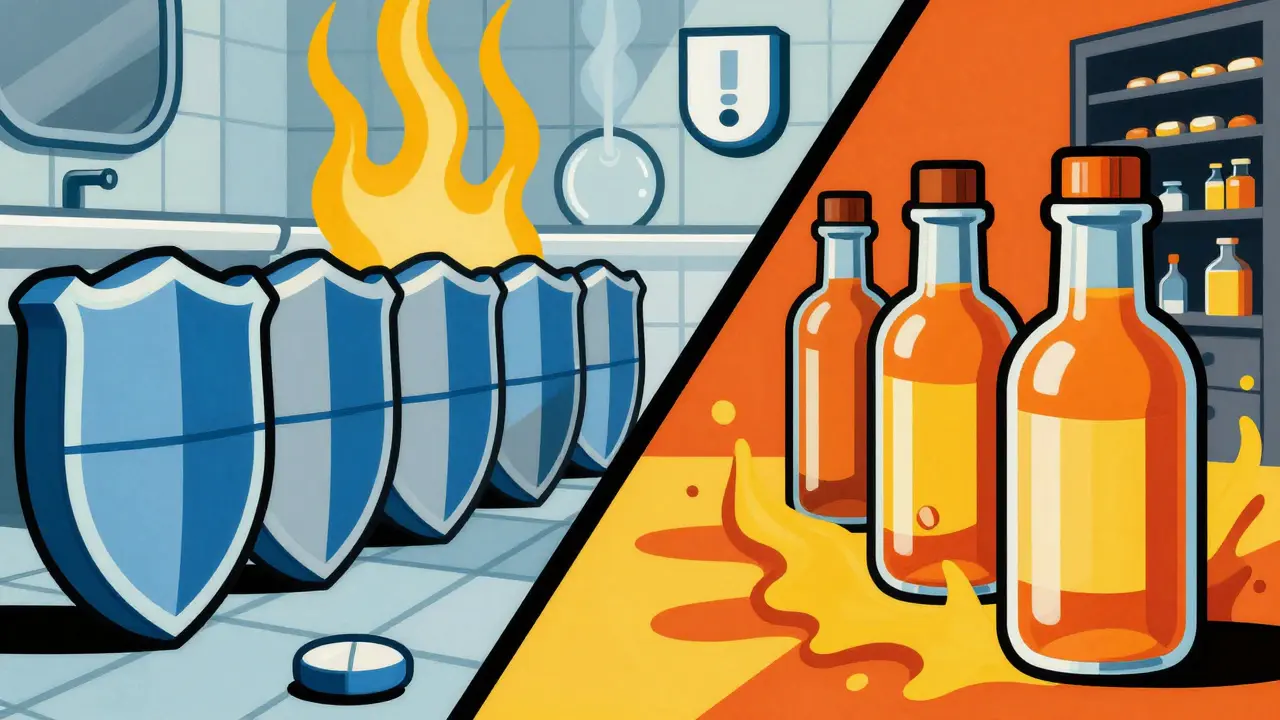
The biggest factor affecting whether your expired medicine is still good isn't the calendar; it is where you put it. Many people stash medicines in the bathroom cabinet because it's convenient. Unfortunately, bathrooms are one of the worst places for drug storage. The frequent steam from hot showers creates high humidity, which accelerates chemical degradation. The ideal environment is cool and dry, between 59°F and 77°F (15°C-25°C).
If you store your medications in the kitchen near the stove or in the car during summer travel, the heat effectively cooks them, speeding up the expiration clock without you seeing a visible sign immediately. Conversely, keeping them in a bedroom closet or under a desk drawer provides a much more stable climate. Humidity below 60% is the gold standard. Some modern packaging even includes desiccants to absorb moisture, extending stability significantly compared to older blister packs.
Signs That Your Medicine Is Gone Bad
If you decide to inspect an old bottle, look closely at the physical state of the drug. A healthy tablet should be intact. If the pill crumbles easily when you touch it, the structural integrity is compromised. Color changes are another red flag. If white tablets turn yellow or brown, chemical reactions are underway. Sometimes, smell gives it away. Aspirin turning rancid smells distinctly like vinegar due to acetylsalicylic acid breaking down into salicylic acid and acetic acid.
Liquids are easier to spot. Separation is normal for some suspensions, but if you shake it and it remains clumpy or cloudy in a weird way, discard it. For eye drops or syrups, any unexpected sediment floating in the solution indicates spoilage. Pharmacists generally agree on a rule of thumb: if anything looks, smells, or tastes different than when you first bought it, do not take it.
Safe Ways to Dispose of Expired Meds
When you determine it is time to toss a medicine, do not just drop it in the trash unless directed. Flushing medicines down the toilet was once common advice, but environmental concerns have changed that view for most drugs. Water systems struggle to filter certain compounds, leading to pollution in waterways.
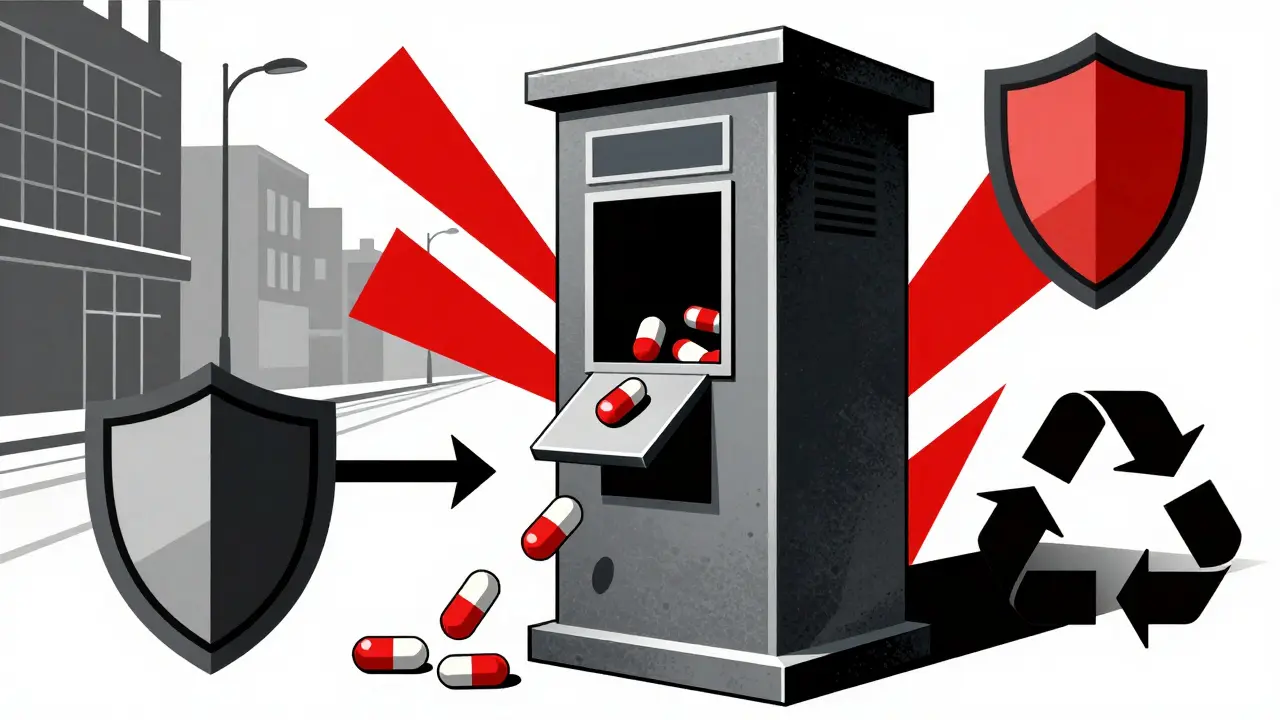
The preferred method is utilizing a Medication Disposal Kiosksecure bin located in pharmacies or law enforcement centers for drug drop-off. Many major chains like Walgreens offer these free services. For daily household disposal, mix the pills with unappealing substances like coffee grounds or cat litter, seal them in a bag, and place them in regular trash. However, some potent opioids or controlled substances have specific instructions requiring special envelopes or take-back events. Always check the label for specific disposal warnings first.
Is it safe to take expired Tylenol?
Generally, yes. Acetaminophen tablets are highly stable solid formulations. Studies suggest they remain potent for many years past expiration if kept dry. However, always check for color changes or crumbling before use.
Can I drink expired cough syrup?
It is safer to avoid it. Liquid medications carry higher risks of bacterial growth and chemical separation. While unlikely to be toxic, it may not work to suppress your cough effectively.
Does storing medicine in the fridge help it last longer?
Only if the label specifically requires refrigeration. Storing unrefrigerated drugs in the fridge can introduce moisture condensation when taken out, which ruins pills faster than room temperature storage.
What exactly defines an expiration date?
It is the last day the manufacturer guarantees 100% potency and safety based on stability testing data submitted to regulatory bodies like the FDA.
Where can I find a medicine take-back location near me?
Search online for pharmacy kiosks or local DEA National Prescription Drug Take Back events. Most police stations and hospitals participate in secure collection programs.


I just throw old pills in the trash because I am too scared to risk it.
It is always good to know exactly how long these bottles last in the cabinet without wasting money on new ones unnecessarily.
You people dont understand safety rules at alll. The FDA knows best and you cant trust your own eyes when it comes to chemcal stability.
Wow this is such an important topic for everyone to read carefully!
You really need to understand that your health depends on keeping things safe.
Many folks waste money buying new stuff when the old stuff works fine.
But you gotta check the bottle for any changes first before taking a chance.
If the pill crumbles you know it is time to toss it out right now.
Liquids are definitely the tricky part here because water makes bacteria grow fast.
You never want to drink something cloudy or weird smelling ever again.
Storing them in the bathroom is a bad idea because steam destroys the ingredients quickly.
A cool closet drawer is the best spot to keep everything dry and stable over time.
Don't forget about the dangerous meds like insulin or nitroglycerin though!
Those need strict adherence to dates because your life is at stake.
Expired epinephrine won't help you if you get stung by a bee anywhere.
Proper disposal is also a big deal for protecting our water systems from pollution.
Throwing pills in coffee grounds stops animals from eating them accidentally later.
Pharmacies often have bins where you can drop off expired drugs safely and free.
Always check the label for specific warnings before doing anything rash.
Keeping a clean medicine cabinet saves you from headaches later down the road.
The government lies about shelf life to sell more products constantly. They claim 5 years but nobody trusts corporate testing data anymore. Real chemistry students know degradation happens much faster than advertised.
Sure let's blame corporations instead of just reading the science properly. Your paranoia is cute but probably unnecessary given the actual data presented. Nobody wants toxic medicine sitting in their pocket waiting for disaster.
Oh my gosh!!! You guys need to stop putting meds in the bathroom sink area!!! 😱💊
I once took an expired cough syrup and I was so terrified for hours afterward! My heart was racing thinking I had poisoned myself by accident! The fear of bacterial growth is just too overwhelming to ignore completely.
One must consider the philosophical implications of temporal limits placed upon chemical compounds. The date represents a promise rather than an absolute cessation of function.
That is such a beautiful way to look at the situation truly! Understanding the promise helps us respect the science behind the manufacturing process deeply.