

Shingles Treatment: How Antivirals and Pain Management Work Together
Shingles isn’t just a rash. It’s a sharp, burning, sometimes electric pain that can last for weeks-or even years. If you’ve ever felt that kind of pain, you know it doesn’t go away with a bandage or an ice pack. It starts quietly: a tingling, a itch, a weird sensitivity on one side of your body. Then, within days, blisters appear. By then, it’s already too late to stop the damage if you wait. The key isn’t just treating the rash-it’s acting fast before the virus takes hold in your nerves.
Why Timing Matters More Than Anything
There’s a 72-hour window after the first sign of shingles that makes all the difference. That’s when antiviral drugs work best. After that, the virus spreads through your nerve cells, and the damage becomes harder to undo. The CDC says about 1 in 3 people will get shingles in their lifetime. For people over 50, the risk climbs. And if you’re over 60, your chance of developing long-term nerve pain-called post-herpetic neuralgia (PHN)-jumps to 30%. That’s not a small number. That’s your life changing.
Antivirals don’t cure shingles. They don’t erase the virus. But they slow it down. And that matters. A 2011 review in PubMed found that people who started antivirals within 72 hours had pain that was 30% less intense and healed 2-3 days faster than those who didn’t. Delay treatment past three days, and that benefit drops sharply. Some patients on Reddit say they felt better in just 10 days because they started valacyclovir on day two. Others waited five days and spent six weeks in pain. The difference isn’t just in how you feel-it’s in whether you ever fully recover.
The Three Antivirals: What Works Best
Doctors usually prescribe one of three antivirals: acyclovir, famciclovir, or valacyclovir. All three work the same way-blocking the virus from copying itself. But they’re not the same in how you take them.
- Valacyclovir (Valtrex): 1,000 mg three times a day for 7 days. Easier to take. Fewer pills. Studies suggest it reduces pain more than acyclovir, even if healing time is similar.
- Famciclovir (Famvir): 500 mg three times a day for 7 days. Also convenient. Good for people who struggle with swallowing pills.
- Acyclovir (Zovirax): 800 mg five times a day for 7-10 days. Harder to stick with. You’re taking pills every 4 hours. But it’s cheaper and has been used for decades.
Side effects? Mild for most. Headache (13%), nausea (9%), dizziness (7%). But for older adults, even mild dizziness can mean falls. That’s why valacyclovir is often preferred-it’s simpler and may cut down on the need for other pain meds later.
Here’s the catch: if you’re immunocompromised-whether from HIV, cancer treatment, or long-term steroids-you need antivirals even more. Your body can’t fight the virus alone. Outbreaks are worse. Complications like eye damage or skin infections are common. In these cases, doctors may even extend treatment beyond 7 days.
The Eye Risk You Can’t Ignore
Shingles doesn’t just hurt your skin. If it shows up near your eye-on your forehead, nose, or eyelid-it’s called herpes zoster ophthalmicus (HZO). And it’s dangerous. The virus can attack your cornea, iris, even your optic nerve. Left untreated, it can cause blindness.
The Zoster Eye Disease Study (ZEDS), presented in October 2023, gave patients low-dose valacyclovir (500 mg daily) for 18 months. The results? A 26% lower chance of new or worsening eye disease. A 30% drop in flare-ups. And here’s the kicker: those patients needed 22-25% less gabapentin and pregabalin. That’s huge. Because those drugs cause dizziness, weight gain, brain fog. For seniors, that’s a recipe for falls and hospital stays.
Now, doctors are starting to recommend long-term, low-dose antivirals for anyone with eye involvement. It’s not standard yet. But if you’ve had shingles near your eye, ask about it. This isn’t just about saving your vision-it’s about avoiding a lifetime of painkillers and doctor visits.
Pain Management: It’s Not Just About Pills
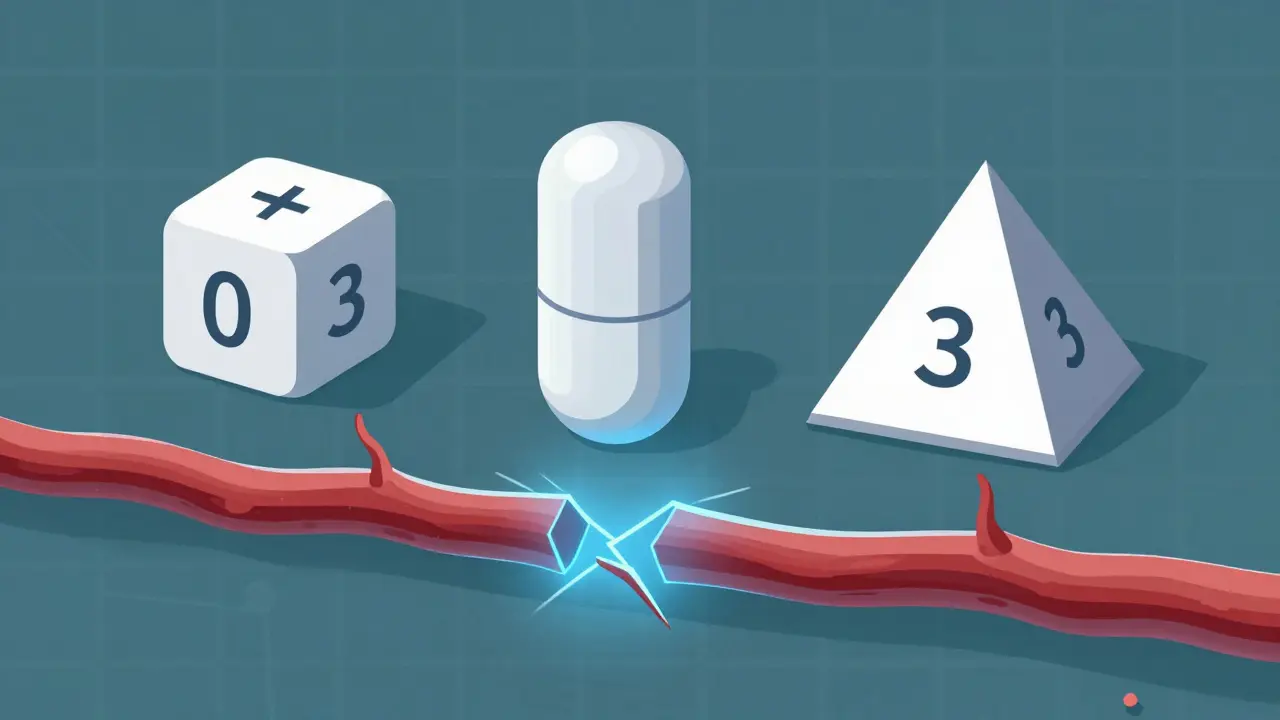
Antivirals help with the virus. But the pain? That’s a different battle. Shingles pain isn’t like a cut or a sprain. It’s neuropathic. That means your nerves are sending wrong signals. Your body thinks it’s still under attack-even when the rash is gone.
That’s why regular painkillers like ibuprofen or acetaminophen barely help. You need targeted treatments:
- Gabapentin or pregabalin: These are anticonvulsants, but they calm overactive nerves. Start low-300 mg once a day-and slowly increase. Some people need up to 3,600 mg daily. Side effects? Drowsiness, swelling, weight gain.
- Amitriptyline: An old-school antidepressant. Yes, it’s used for depression. But at low doses (25-75 mg at night), it helps block pain signals. It also helps with sleep, which is often wrecked by shingles pain.
- Lidocaine patches: Stick one on the painful area for 12 hours, then take it off for 12. No system-wide side effects. Great for localized pain.
- Capsaicin cream (0.075%): Made from chili peppers. It burns at first-but over time, it depletes the pain chemical (substance P) in your nerves. Apply 3-4 times daily. It’s messy. It stings. But it works for some.
Opioids? Only for short-term, severe pain. They don’t fix nerve pain well, and they’re risky. Addiction, tolerance, constipation. Most dermatologists avoid them unless absolutely necessary.
Does Antiviral Treatment Prevent Long-Term Pain?
This is where things get messy. Some studies say yes. Others say no. The Cochrane Review says acyclovir doesn’t reduce PHN at 6 months. But a 2011 meta-analysis found early treatment lowers the risk. And on PatientsLikeMe, 62% of 1,200 people said early antivirals stopped their chronic pain.
Here’s the real answer: it’s not binary. Antivirals don’t guarantee you won’t get PHN. But they give you the best shot. Especially if you’re over 60, have a severe rash, or feel pain before the blisters appear. That early pain? That’s your nerves already being damaged. Start antivirals then, and you’re fighting before the damage is done.
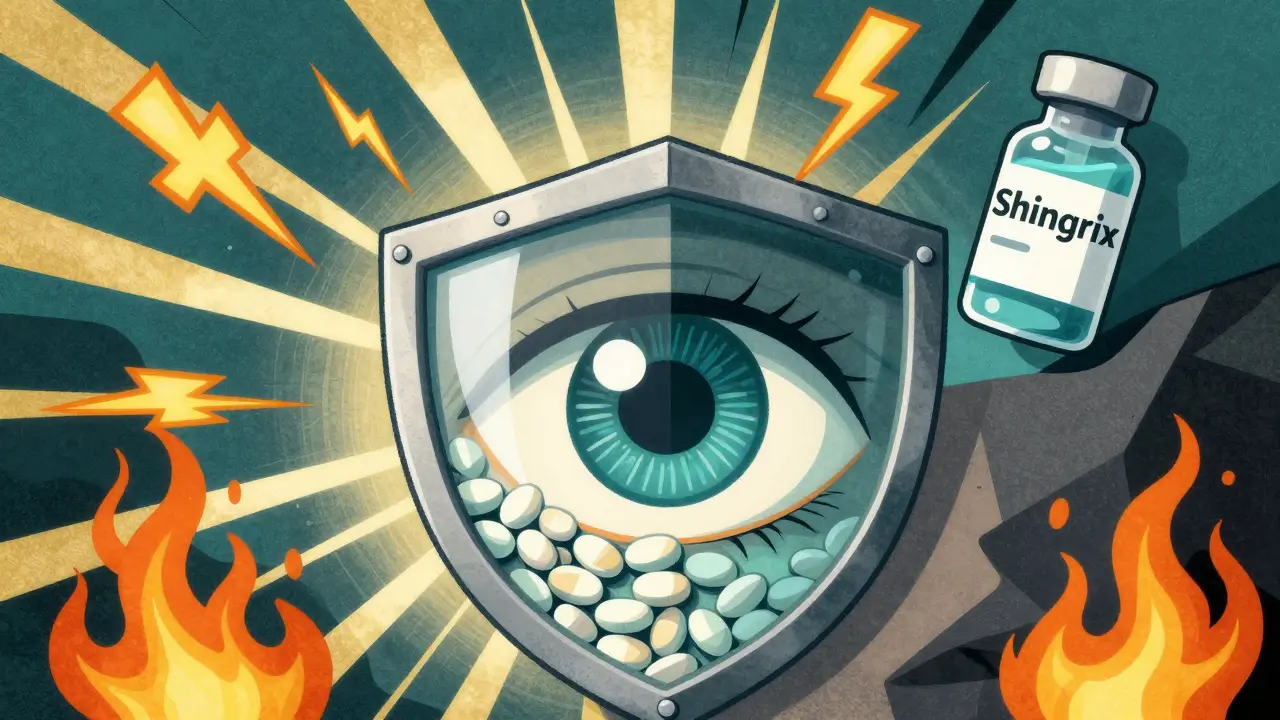
And don’t forget prevention. The Shingrix vaccine is over 90% effective at stopping shingles. Even if you get it after vaccination, it’s milder. If you’re 50 or older and haven’t had Shingrix, get it. Two shots, 2-6 months apart. No shingles. No pain. No long-term risk.
What Happens If You Wait?
Waiting means more pain. Longer healing. Higher chance of PHN. Higher chance of infection in the blisters. Higher chance of needing hospital care.
One 68-year-old man waited five days to see a doctor. By then, his rash had spread across his chest. He needed IV antivirals. He spent three weeks on gabapentin. He still has burning pain on his side two years later. He says: “I thought it was just a bad sunburn. I didn’t know it could do this.”
That’s the problem. Most people don’t know. They think it’s a rash. They think it’ll go away. But shingles doesn’t just go away. It hides in your nerves. And if you don’t act fast, it stays.
What You Can Do Right Now
If you feel tingling, burning, or pain on one side of your body-especially if it’s in a band or strip-don’t wait. Don’t call your pharmacy first. Don’t Google it for hours. Call your doctor or go to urgent care today. Say: “I think I have shingles. I need antivirals.”
If you’ve had shingles before, get vaccinated. If you’re over 50 and haven’t had Shingrix, schedule it now. If you’re immunocompromised, talk to your doctor about long-term antiviral use. If you had shingles near your eye, ask about daily valacyclovir.
Shingles isn’t just a skin problem. It’s a nerve problem. And the sooner you treat it, the less likely you are to live with the pain forever.





Just had shingles last year. Started valacyclovir on day two-pain was bearable by day 5. Waiting is the worst mistake. Don’t overthink it, just call your doctor.
I wish I’d known this when my dad got it. He waited because he thought it was a bug bite. By the time he saw a doctor, the nerve pain was already locking up his shoulder. He’s still on gabapentin two years later. It breaks my heart.
THIS. 🙏 I’m a nurse and I see this over and over. People think it’s just a rash. It’s not. It’s your nerves screaming. Get the antivirals FAST. And if it’s near your eye-DON’T WAIT. I’ve seen people lose vision because they waited for it to "clear up."
My mom took acyclovir and it was a nightmare-five times a day, every four hours. She’d wake up at 3 a.m. to swallow a pill. Valacyclovir changed everything for her. Simpler, fewer side effects. If your doc pushes acyclovir just because it’s cheap, push back.
Why are we letting Big Pharma decide what’s best for us? Valacyclovir costs $500 a prescription. Acyclovir is $12. And you’re telling me the cheaper one doesn’t work as well? The CDC says one thing, but the real data? It’s buried. Someone’s making bank off this fear.
It is an unfortunate reality that the American healthcare system prioritizes profit over patient outcomes. The proliferation of expensive antivirals, coupled with the underutilization of generic acyclovir, reflects a systemic failure in medical ethics. One must question the integrity of guidelines that favor convenience over fiscal responsibility.
In Nigeria, many people still use traditional herbs for shingles. Some work. But I’ve seen cases where the rash spreads to the eye and no one knows what to do. This article is a gift. We need to translate this into local languages. Shingles doesn’t care about borders or money-it only cares if you act fast.
It makes me wonder… if the virus hides in nerves, is shingles really a disease-or a signal? A warning from the body that we’ve been ignoring stress, sleep, immunity? Maybe the real cure isn’t just antivirals… but living differently.
So you’re telling me someone who waited five days is just lazy? That’s what this article boils down to-shaming people for not being medical experts. I had shingles and I didn’t know what it was. You think I was scrolling Reddit for answers? I was working two jobs and raising kids. Stop judging.
Hey, I get it. Life gets crazy. But if you’re over 50 and you feel that tingling? That’s your body screaming for help. Not being a medical expert doesn’t mean you’re lazy-it means you’re human. And the system should meet you there. Get the vaccine. Call your doc. No shame in asking. You deserve to be pain-free.
As someone who has seen elderly patients suffer from post-herpetic neuralgia in rural India, I can affirm that early antiviral intervention is not a luxury-it is a lifeline. Yet, access remains a challenge. We must advocate for affordable antivirals and public education campaigns. Prevention through vaccination must be prioritized at the community level. Let no one suffer in silence due to lack of awareness.