hERG Channel: Risks, Drug Interactions, and How to Stay Safe
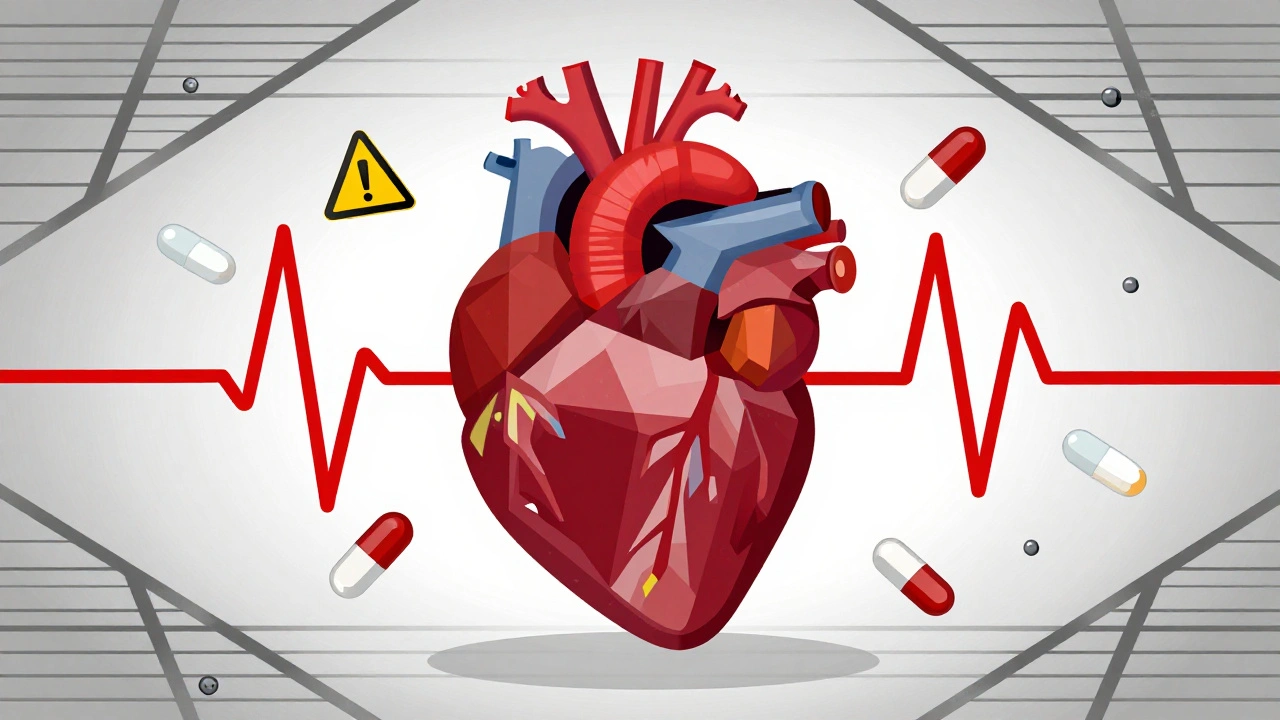
When you take a medication, you’re not just targeting your illness—you might also be affecting your heart’s electrical system. The hERG channel, a protein channel in heart cells that regulates the flow of potassium ions to keep your heartbeat steady. Also known as Kv11.1 channel, it’s one of the most sensitive targets for unintended drug effects. If a drug blocks this channel, even slightly, it can slow down your heart’s recovery phase after each beat. That delay shows up on an ECG as QT prolongation, a measurable lengthening of the time between heartbeats that increases the risk of sudden, life-threatening rhythms. It’s not theoretical—this is why drugs like certain antibiotics, antifungals, and even some antidepressants get pulled from the market or come with black box warnings.
What makes the hERG channel so tricky is that it doesn’t care if you’re taking a prescription, an OTC pill, or a supplement. Drugs like fluoroquinolones, a class of antibiotics including ciprofloxacin and levofloxacin, or macrolides, like erythromycin and clarithromycin, are known to interfere with it. Even common anti-nausea meds like metoclopramide can cause trouble. And it’s not just one drug—it’s combinations. Take a statin with a macrolide? Add a decongestant? You might not feel a thing until your heart skips a beat. That’s why monitoring isn’t optional for people on multiple meds, especially with existing heart conditions or electrolyte imbalances.
You won’t see "hERG" on your prescription label. But you will see warnings about QT prolongation, arrhythmia, or sudden cardiac death—those are the red flags. If you’re on long-term meds for asthma, depression, or infection, ask your doctor if your drugs affect your heart’s electrical activity. Get an ECG if you’re on multiple risk factors. And if you’ve ever fainted for no reason, especially during exercise or stress, that’s not normal—it could be your hERG channel sending a warning. This collection of posts covers exactly how to spot these hidden dangers, what to ask your pharmacist, and how to avoid dangerous combos that could land you in the ER. You’re not overreacting if you’re cautious. Your heart doesn’t have a second chance.
QT prolongation is a silent heart rhythm risk caused by many common medications. Learn which drugs raise arrhythmia danger, who’s most at risk, and how to prevent sudden cardiac events with simple ECG checks and smart prescribing.
READ MORE