Insomnia Treatment: Effective Methods, Risks, and What Actually Works
When you can’t sleep, it’s not just frustrating—it’s dangerous. Insomnia treatment, the strategies used to manage trouble falling or staying asleep. Also known as sleep disorder management, it’s not just about popping a pill. Poor sleep raises your risk of heart disease, depression, and even accidents. And most over-the-counter fixes make it worse over time. The truth? Long-term insomnia isn’t caused by stress alone—it’s often a mix of biology, habits, and hidden health issues like sleep apnea or restless legs.
Many people turn to OTC sleep aids, over-the-counter medications like diphenhydramine or melatonin sold without a prescription. Also known as sleeping pills, they’re easy to grab but carry real risks. Studies show daily use of diphenhydramine—found in Benadryl and many sleep gels—can increase dementia risk in older adults. Melatonin helps reset your clock, but it doesn’t fix deep sleep problems. And if you rely on these for more than a few weeks, your body starts needing more just to feel the same effect. That’s rebound insomnia: you sleep worse when you stop.
What actually works? Cognitive behavioral therapy for insomnia, a structured, non-drug approach that rewires how you think and behave around sleep. Also known as CBT-I, it’s the gold standard recommended by the American College of Physicians. It teaches you to stop lying in bed awake, to break the anxiety-sleep cycle, and to build real sleep drive. Unlike pills, its effects last years after treatment ends. And it’s not just for adults—people with chronic pain, diabetes, or thyroid issues also benefit.
You’ll find posts here that cut through the noise. We break down what’s in those sleepy pills, why they’re risky for seniors, and how melatonin doses can backfire. You’ll learn how to space magnesium with thyroid meds so your sleep isn’t sabotaged by your other prescriptions. We cover what really causes sleep trouble in people with diabetes, thyroid problems, or chronic pain—and how to fix it without more drugs. There’s no fluff, no hype. Just clear, practical advice from people who’ve seen what works in real clinics and real lives.
If you’ve tried everything and still can’t sleep, you’re not broken. You just haven’t found the right fix yet. The solutions here aren’t magic—they’re science-backed, tested, and simple enough to start tonight.
Chronic insomnia isn't solved by sleep hygiene alone. Learn why CBT-I is the only proven long-term treatment-and how to start it, even without a therapist. Evidence-based, practical, and free of fluff.
READ MORE
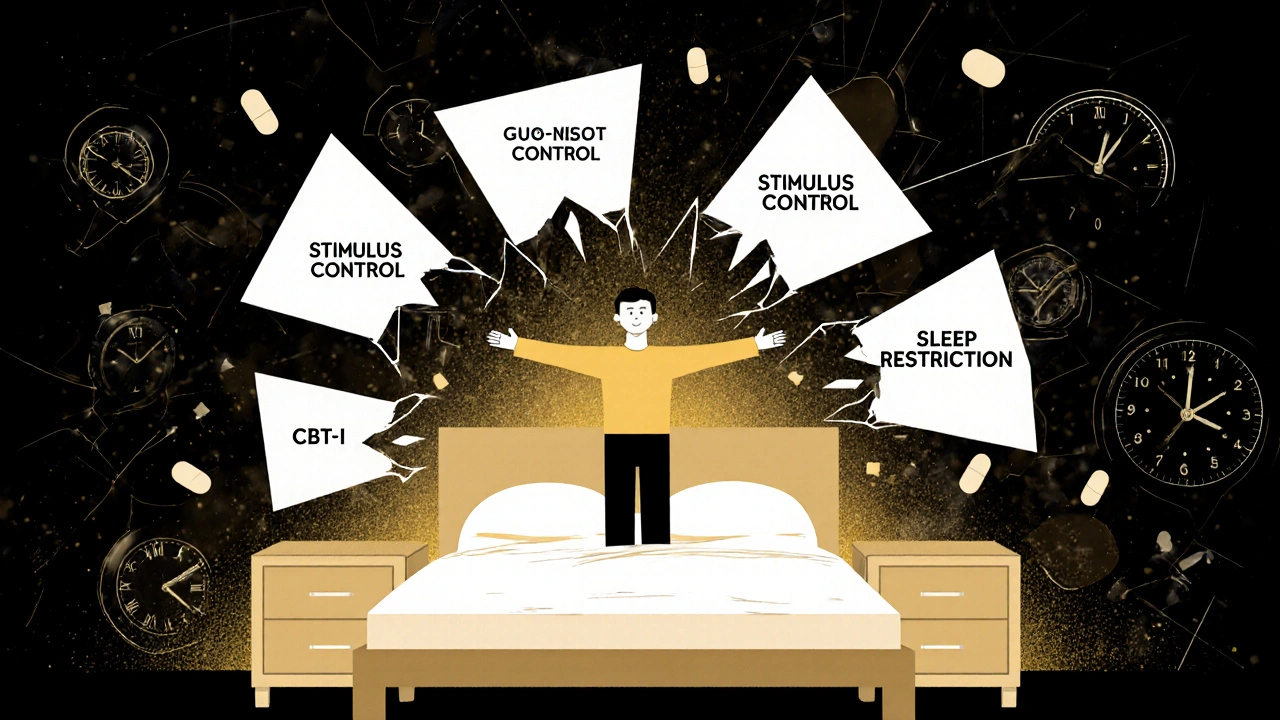
CBT-I is the most effective, drug-free treatment for chronic insomnia. Learn the science-backed techniques that retrain your brain to sleep naturally-without pills, side effects, or relapse.
READ MORE