Melatonin: What It Is, How It Works, and What Really Helps Sleep
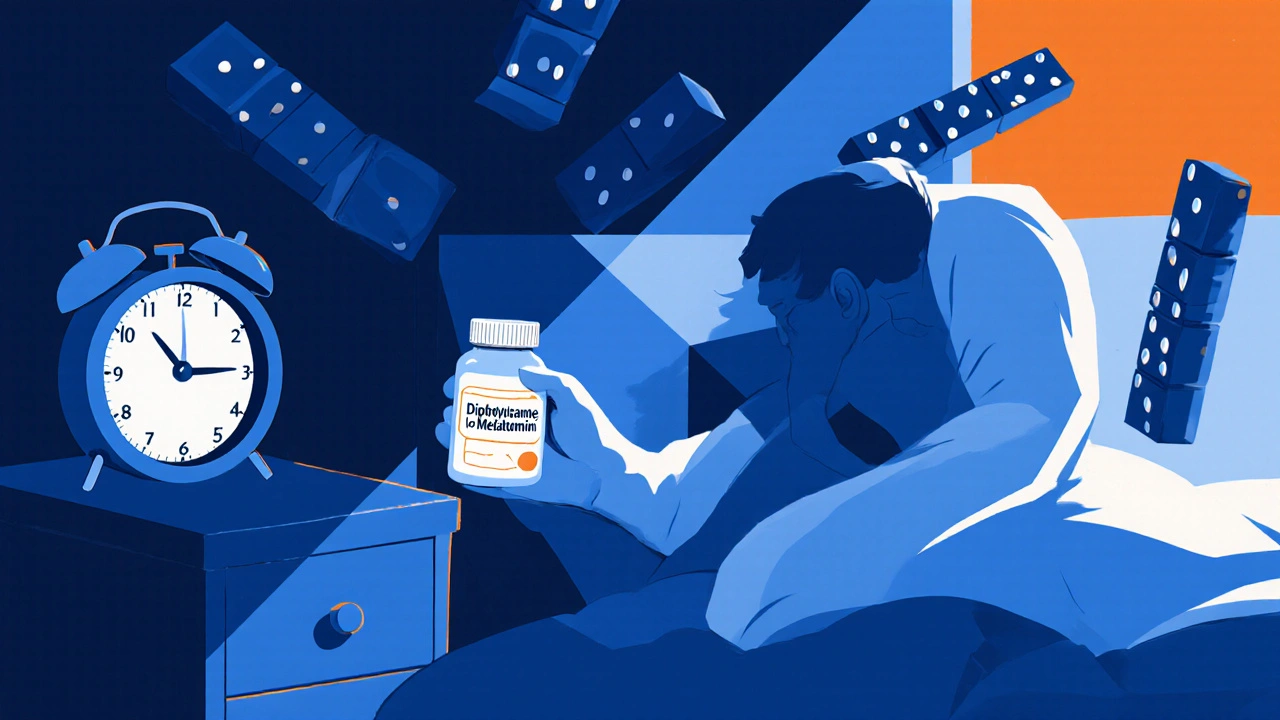
When you’re struggling to fall asleep, melatonin, a hormone your brain makes naturally to signal it’s time for sleep. Also known as the sleep hormone, it’s not a sedative—it’s more like a quiet timer that tells your body, "It’s dark, time to wind down." But here’s the catch: taking melatonin pills won’t fix poor sleep habits. If your bedroom is bright at night, you scroll until midnight, or your schedule shifts every day, melatonin alone won’t help. It works best when your circadian rhythm, your body’s internal 24-hour clock that controls sleep-wake cycles is out of sync—like after jet lag, shift work, or if you’re blind and can’t sense light.
Melatonin doesn’t make you sleepy like a sleeping pill. Instead, it shifts your internal clock. Studies show it helps people fall asleep about 7 minutes faster on average, and it’s most useful for those with delayed sleep phase syndrome—where you naturally fall asleep at 2 a.m. and wake up at 10 a.m. But if you’re tossing and turning because of stress, caffeine, or an uncomfortable bed, melatonin won’t fix that. That’s where sleep hygiene, the daily habits that either support or sabotage your ability to sleep comes in. Things like keeping your room cool and dark, avoiding screens before bed, and going to sleep at the same time every day matter more than any supplement. And if you’ve been on melatonin for months and still feel tired, you might be masking a deeper issue like sleep apnea or anxiety.
Most people don’t need melatonin at all. Your body already makes it. Taking too much—like 5 mg or more—can cause grogginess, headaches, or even make your sleep worse over time. The right dose? Often just 0.3 to 1 mg, taken 1–2 hours before bed. And it’s not safe for everyone. Kids, pregnant women, and people on blood thinners or immune drugs should talk to a doctor first. The real power isn’t in the pill—it’s in understanding how your body naturally falls asleep. That’s why the posts below cover what actually works: CBT-I for chronic insomnia, how light exposure resets your clock, why magnesium can help or hurt your sleep, and how hormones like thyroid and cortisol mess with your rest. You’ll find real, science-backed fixes—not quick fixes. No fluff. Just what changes sleep for real.
OTC sleep aids may help with occasional insomnia, but long-term use carries risks like dementia, falls, and rebound insomnia. Learn what's in them, who should avoid them, and what actually works better.
READ MORE