Torsades de Pointes: Causes, Risks, and Medications That Can Trigger It
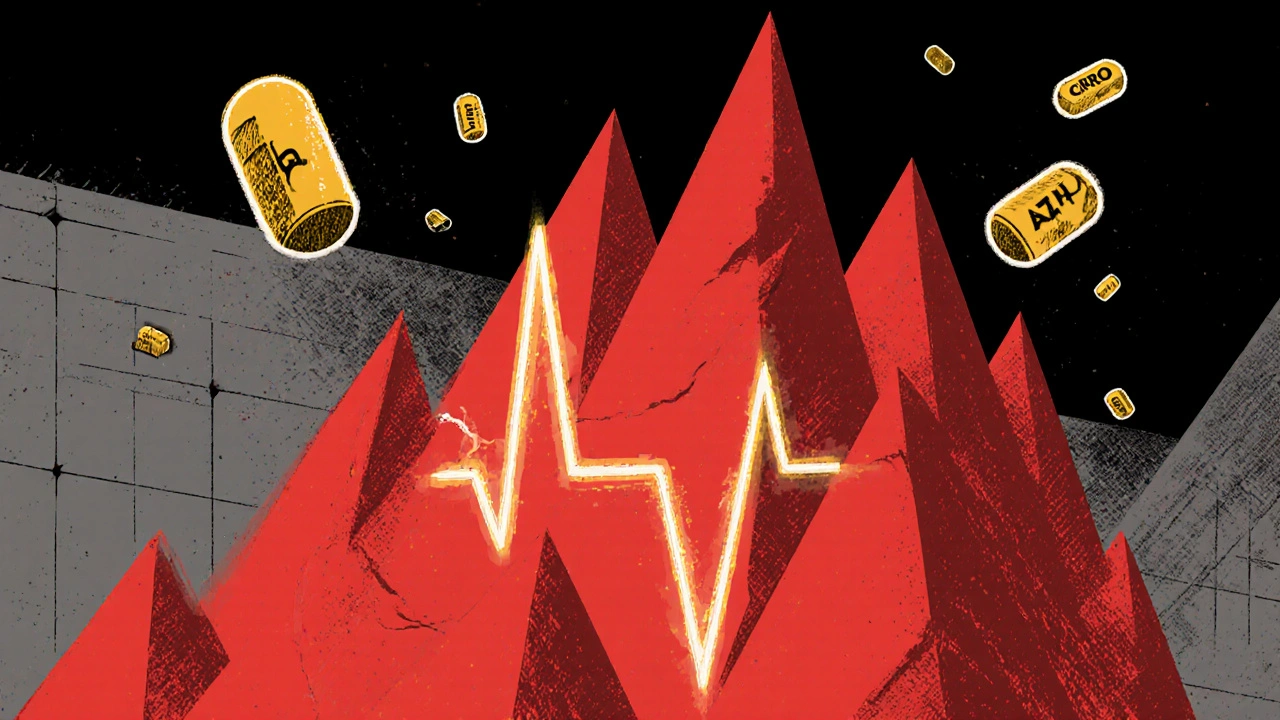
When your heart’s electrical system gets disrupted, it can start beating in a wild, twisting pattern called Torsades de Pointes, a specific type of life-threatening ventricular arrhythmia often linked to prolonged QT intervals on an ECG. Also known as polymorphic ventricular tachycardia, it doesn’t just scare patients—it can stop the heart dead if not treated fast. This isn’t some rare theoretical risk. It happens in real people taking common drugs, especially when they have other risk factors like low potassium, slow heart rate, or a genetic predisposition.
Torsades de Pointes doesn’t show up out of nowhere. It’s usually tied to long QT syndrome, a condition where the heart takes too long to recharge between beats, making it vulnerable to dangerous rhythms. Some people are born with it, but more often, it’s caused by medications. Drugs like certain antibiotics (e.g., erythromycin), antifungals (e.g., ketoconazole), antidepressants (e.g., citalopram), and even some anti-nausea pills can stretch out the QT interval. Even phenytoin, a seizure medication, shows up in the data as a potential trigger when levels aren’t monitored closely. And here’s the catch: sometimes, switching from one generic version to another can change how your body handles the drug—just like with phenytoin—pushing you into danger without warning.
It’s not just about the drug itself. Risk goes up when you combine multiple QT-prolonging meds, have kidney or liver problems, or are female. Older adults on multiple prescriptions are especially vulnerable. The symptoms? Dizziness, fainting, palpitations—but sometimes, there’s no warning at all. That’s why doctors check ECGs before and after starting certain drugs, and why labs track electrolytes like potassium and magnesium. Low magnesium? That’s a red flag. It doesn’t just cause muscle cramps—it can turn a risky QT interval into a full-blown cardiac emergency.
What you’ll find in the posts below isn’t just theory. These are real cases, real drugs, and real mistakes that led to serious outcomes. You’ll see how antibiotic-related liver injury, a condition where certain drugs damage the liver and indirectly affect heart rhythm can overlap with arrhythmia risk. You’ll learn why therapeutic drug monitoring, the practice of measuring blood levels of drugs to ensure safety and effectiveness matters—not just for epilepsy meds, but for any drug that can twist your heartbeat. And you’ll find out which over-the-counter sleep aids, cancer treatments, or even antifungals might be quietly putting you at risk.
This isn’t about scaring you. It’s about giving you the facts so you can ask the right questions. If you’re on any medication that lists QT prolongation as a side effect, or if you’ve ever passed out for no clear reason, this collection has what you need to understand why—and what to do next.
Fluoroquinolones and macrolides can prolong the QT interval, raising the risk of deadly heart rhythms. Learn who’s at risk, how to monitor with accurate ECG measurements, and when to stop these antibiotics to prevent cardiac arrest.
READ MORE