
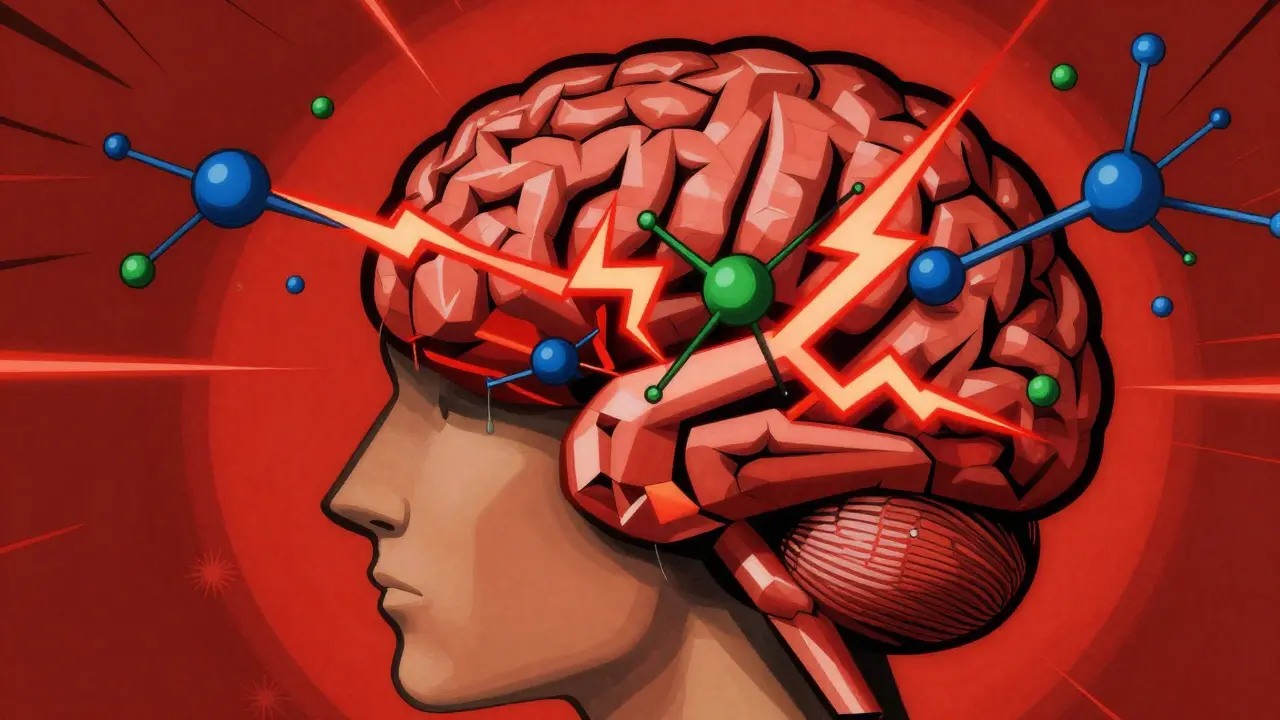
Tramadol Seizure Risk: Who Is Most Vulnerable
Tramadol Safety Profile Checker
Biological History
Select factors that apply to you.
Current Medications
Physiological Factors
It sounds counterintuitive: taking a pill meant to relieve suffering can sometimes trigger one of the body's most frightening reactions. That is exactly the situation with Tramadol is a synthetic opioid analgesic that carries a unique and significant risk of inducing seizures.. While millions of prescriptions get filled for this pain medication every year, hidden dangers lurk beneath the surface, especially for specific groups of people. You might think you're safe because you're following the dosage instructions perfectly, but your safety depends on more than just how many pills you take.
Research published in 2023 revealed that certain combinations of medications turn this common drug into a time bomb. Even more surprising, young men and older adults face very different risks, meaning one-size-fits-all safety advice rarely works. If you are currently prescribed this medication or have a family member who takes it regularly, understanding the specific biological triggers behind these events could prevent a hospital visit.
The Dual Mechanism: Why It Lowers Your Threshold
To understand why seizures occur, we need to look at how tramadol behaves differently from standard opioids like morphine or codeine. Unlike those drugs, which primarily bind to opioid receptors, tramadol does double duty inside your brain. It activates those receptors to block pain signals, but it also inhibits the reuptake of two other neurotransmitters: Serotonin and a chemical messenger involved in mood and sleep regulation. norepinephrine.
This dual action is great for pain control, but dangerous for electrical stability in the brain. When you flood your system with too much serotonin and norepinephrine simultaneously, you lower the seizure threshold-the point at which neurons fire uncontrollably. Think of it like lowering the boiling point of water; it takes less heat to reach the breaking point. A study by Babahajian et al. highlighted that over half of patients arriving at emergency departments with tramadol toxicity suffered from seizures. This isn't just a rare anomaly; it is a direct result of the drug's complex chemistry affecting brain wave patterns.
Who Has the Highest Biological Risk?
Not everyone takes tramadol the same way, and biology plays a massive role in who gets hurt. The most obvious group includes individuals with a pre-existing seizure disorder. Data from multiple clinical reviews shows that if you have a history of epilepsy or unexplained convulsions, your odds of a drug-induced seizure jump significantly-specifically by about 3.7 times compared to someone without that history.
Beyond epilepsy, patients with specific structural brain injuries are highly vulnerable. Head trauma, strokes, or alcohol withdrawal create a fragile electrical environment. Adding a substance that messes with neurotransmitters is like walking on thin ice. Even metabolic disorders can tip the balance. People whose bodies struggle to process glucose or salts may find that tramadol pushes their electrolyte levels further out of range, triggering an episode unexpectedly.
However, the biggest danger zone isn't always personal history-it's what else you put in your body alongside the painkiller. Recent analysis suggests that polypharmacy, or taking multiple drugs at once, creates the perfect storm for adverse events.
The Silent Danger: Medication Interactions
If there is a headline you need to remember, let it be this: mixing antidepressants with tramadol changes the game completely. A landmark study from The Ohio State University analyzed over ten years of data involving nursing home residents. They found that when tramadol was combined with certain antidepressants, specifically those that inhibit the CYP2D6 Enzyme is a liver enzyme responsible for metabolizing many drugs including tramadol., seizure rates were notably higher.
| Medication Combination | Seizure Rate (per 100 person-years) | Risk Increase |
|---|---|---|
| Tramadol + Non-inhibiting Antidepressant | 16 | Baseline |
| Tramadol + CYP2D6 Inhibitor (e.g., Paroxetine) | 18 | +12.5% |
| Hydrocodone + CYP2D6 Inhibitor | No significant increase | Control Group |
The numbers tell a clear story. Drugs like fluoxetine (Prozac) and paroxetine (Paxil) block the enzyme needed to clear tramadol safely. When that pathway gets blocked, parent tramadol builds up in your blood. Instead of being processed into harmless waste products or safe active metabolites, the raw compound accumulates. This accumulation acts as a toxin to the brain's electrical systems.
You might wonder if taking them at different times helps. Unfortunately, because these enzymes stay inhibited for long periods, splitting doses usually isn't enough to solve the problem. The safest bet involves switching antidepressants entirely or choosing a different pain medication that doesn't rely on this specific metabolic pathway.
Age, Kidney Function, and Dosing Errors
Older adults represent another critical demographic. As we age, our kidneys become less efficient at filtering toxins. Research indicates that tramadol clearance slows down significantly when creatinine clearance drops below 30 mL/min. For these patients, the standard maximum dose of 400mg becomes dangerous. Guidelines updated by regulators in 2022 suggest capping intake at 300mg daily for moderate impairment and avoiding the drug entirely for severe kidney failure.
Why does this matter? Because many prescribers still order the standard adult dose regardless of patient age. A patient over 65 might receive 400mg daily, which overwhelms their reduced clearance capacity, leading to toxic buildup within days. This explains why older adults often experience seizures not immediately after swallowing a pill, but sometime later during treatment, once levels have saturated.
On the opposite end of the age spectrum, young adults-particularly males between 18 and 25-face high risks through overdose scenarios. In this group, the issue is often recreational misuse rather than accidental interaction. Emergency room logs show a median age of 23 for intoxication cases. These individuals often exceed safe limits drastically, ingesting amounts far beyond the intended therapeutic dose. In these acute scenarios, seizures typically strike within six hours of ingestion, serving as a delayed warning sign of systemic toxicity.
Timing Matters: The Critical Window
Knowing when a seizure is likely to happen can be vital for patient safety. Evidence from hospital monitoring shows that 95% of tramadol-related seizures manifest within the first six hours after taking the medication. This timeframe offers a crucial observation window for caregivers.
If a patient starts showing signs of agitation, confusion, or twitching during this early phase, it is often a precursor to a full tonic-clonic event. Doctors note that dose response correlates strongly with the amount taken rather than just blood concentration. This means a larger pill burden predicts a worse outcome. The statistical link is undeniable: patients reporting multiple seizure episodes tended to have consumed significantly higher total doses (median 2800mg) compared to those with single incidents (median 850mg).
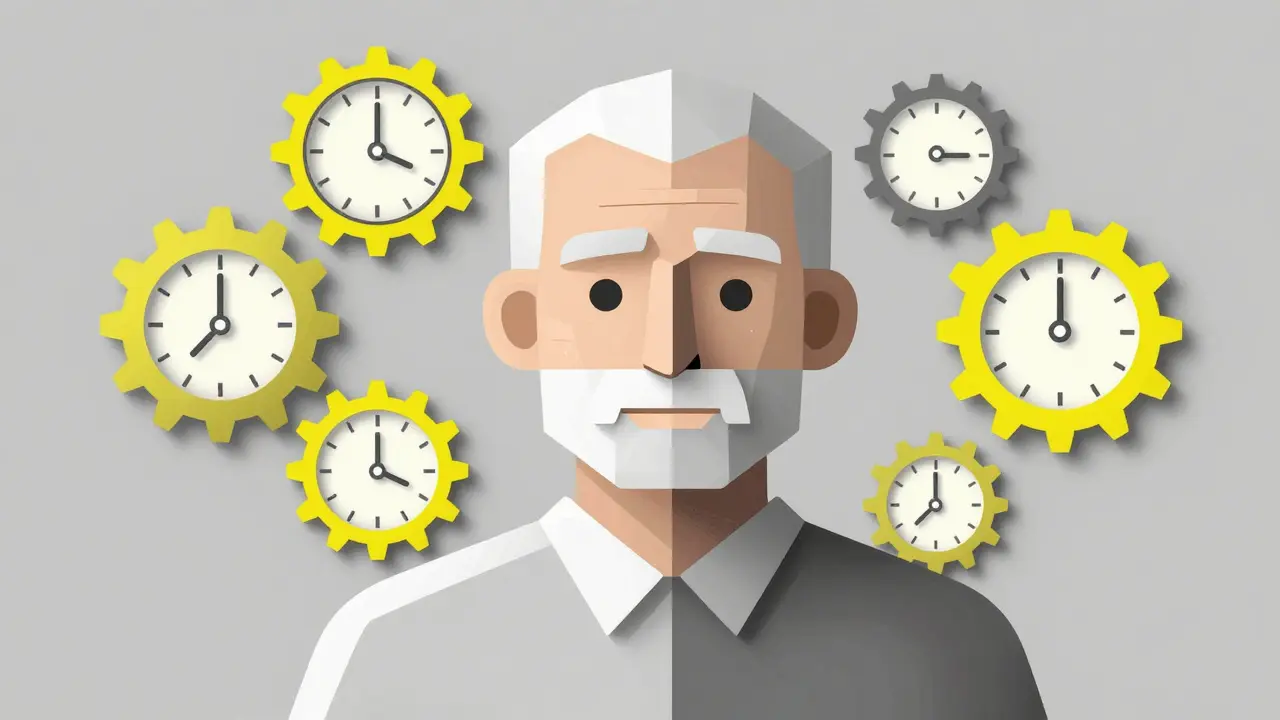
Creating a Personal Safety Strategy
If you rely on this medication for chronic pain, you cannot ignore these variables. Start by auditing your current medication list. Bring a complete list to your next appointment and ask specifically about CYP2D6 interactions. There are alternatives for both pain and depression that bypass this metabolic conflict, such as citalopram for mood or acetaminophen for mild pain relief.
Second, verify your kidney health annually. A simple blood test checks your creatinine clearance levels. If you are over 50, this number fluctuates, and your dosage might need adjustment. Do not assume your old prescription strength is still safe today. Finally, watch for early warning signs like tremors or lightheadedness. These are subtle indicators that your threshold is dropping before a major event occurs.
Frequently Asked Questions
Can tramadol cause seizures at normal doses?
Yes, unlike many other opioids, tramadol lowers the seizure threshold even at therapeutic doses (below 400mg), particularly if combined with other medications that affect serotonin levels.
Which antidepressants are unsafe to mix with tramadol?
Medications that inhibit the CYP2D6 enzyme are the riskiest, including fluoxetine, paroxetine, and tricyclic antidepressants like amitriptyline. These reduce the body's ability to clear the drug safely.
Are older adults allowed to take tramadol?
The American Geriatrics Society lists it as potentially inappropriate for seniors due to increased fall and seizure risks, recommending alternatives whenever possible.
How quickly do seizures typically occur after taking the pill?
Most incidents happen within six hours of ingestion, with the mean onset time recorded around 2.6 hours post-dose in overdose or toxicity scenarios.
Does having a seizure history make me higher risk?
Absolutely. A previous history of seizures increases your odds of experiencing a drug-induced seizure by roughly 3.7 times compared to the general population.





Most people lack basic medical knowledge regarding enzyme interactions before sharing data online. It is obvious that the average reader panics without understanding the actual pharmacology. The data presented here is cherry-picked for effect rather than accuracy. You cannot simply read a blog post and diagnose your own liver issues without a proper panel. Stop spreading fear mongering disguised as health advice.
Fear pieces are common but rarely address the economic burden of alternative treatments.
I really needed to see someone put this information together because my cousin had issues with pain meds last year. She was taking tramadol along with an antidepressant and ended up in the hospital within a week. It felt so scary watching her convulse right there in the living room while we tried to figure out what was happening. Doctors told us later that mixing those specific drugs lowered her seizure threshold significantly. We did not know about the CYP2D6 enzyme back then and wish someone would have explained it clearly. Now she takes a different med that does not have the same interaction risks involved. It makes me want to cry thinking about how easily things can go wrong when you trust the wrong combination. My family is so much more careful now about bringing a full list to every single doctor appointment. I worry constantly about my father who has kidney issues and is over sixty years old. He still thinks his prescription strength is fine even though guidelines suggest lowering the dose significantly for his age group. We try to remind him gently but he gets defensive about changing his routine after living with pain for decades. Reading this post reminded me to check his latest blood work results just to be absolutely certain everything is stable. I hope everyone else reads this closely and pays attention to the medication interactions listed in the table. Nothing is worth the risk of a seizure when safer options exist for almost every condition imaginable. You should always prioritize safety over convenience when dealing with controlled substances like this.
While your critique suggests expertise, you are ignoring the preventative value of public education campaigns. People often do not realize the risks until damage is already done to their health. The author presents valid data from recent studies that contradict many general assumptions about opioids. Dismissing this information as fear mongering does a disservice to patients who genuinely struggle with understanding side effects. Everyone benefits from having clearer access to medical literature even if the delivery is simplified for a general audience.
Your experience highlights the critical importance of rigorous monitoring protocols for elderly patients receiving opioid therapy. Clinical guidelines often fail to account for individual variations in metabolic clearance rates effectively. It is necessary to update standard operating procedures to reflect these specific interaction risks immediately. Healthcare providers must remain vigilant regarding polypharmacy situations in geriatric populations specifically.
Humanity must embrace the complexity of biological systems without allowing pharmaceutical interventions to control our destiny entirely. Pain management is a journey that requires constant vigilance against chemical imbalances within the human mind. We cannot rely solely on external substances to fix internal problems without acknowledging the consequences. The path to safety involves recognizing vulnerability and adapting our behaviors accordingly. Ignoring these warnings leads to preventable suffering that could have been avoided with simple caution. True wisdom lies in respecting the power of these synthetic compounds fully. We can overcome this challenge if we educate ourselves on the mechanisms at play today.
Your philosophical babble ignores the hard reality that most Americans refuse to change their habits regardless of the danger. Nobody cares about metabolic pathways when a prescription is handed over at the pharmacy counter. It is sad to watch people pretend they care about science while continuing to break their own bodies down slowly. The system is broken and no amount of philosophical musing will fix the actual harm caused by negligence.
The intersection of chemistry and consciousness creates a fragile environment where small changes yield massive outcomes. We observe the body reacting to foreign agents with unpredictable electrical storms that disrupt normal neural firing patterns. It reminds us of the ancient wisdom that balance is required in all things for true stability to prevail. Modern medicine often forgets the fundamental principle that adding energy to a system increases entropy significantly. Every pill introduces a new variable into the delicate equation of human homeostasis that must be managed carefully. We must consider the legacy of these interactions on future generations who inherit damaged physiological baselines. Prevention remains the only true cure for conditions that arise from iatrogenic causes primarily.