
Pregnancy and Medications: What You Need to Know About Teratogenic Risks and Birth Defects
Medication Safety Checker for Pregnancy
Check Medication Safety During Pregnancy
Enter a medication name to learn about its safety during pregnancy, including risk levels, critical periods, and alternatives.
Risk Information
Critical Period
Alternatives
Important Note
When you’re pregnant, every pill, drop, or supplement feels like a gamble. You take a pain reliever for a headache, and suddenly you’re wondering: could this hurt my baby? You’re not alone. Nearly 90% of pregnant women take at least one medication during pregnancy - from prenatal vitamins to antidepressants, from heartburn pills to cold medicine. But here’s the hard truth: not all medications are safe. Some can cross the placenta and interfere with your baby’s development, leading to birth defects, developmental delays, or even pregnancy loss.
What Exactly Are Teratogenic Medications?
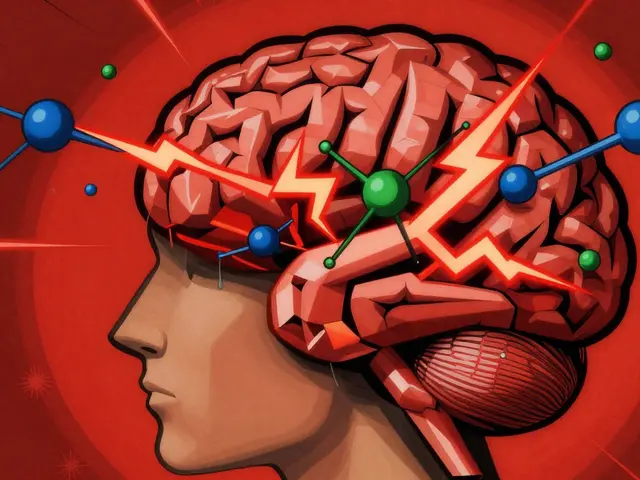
Teratogenic medications are drugs that can cause physical or functional abnormalities in a developing fetus. The term comes from teras, the Greek word for monster - a grim reminder of the thalidomide disaster in the 1950s and 60s, when a popular sleep aid caused thousands of babies to be born with missing or stunted limbs. That tragedy changed medicine forever. Today, we know that certain drugs can disrupt the delicate process of fetal development, especially during the first trimester when organs are forming.It’s not just the obvious ones. Even common over-the-counter drugs can carry risks. The key isn’t avoiding all medications - it’s understanding which ones are dangerous, when they’re most harmful, and what the alternatives are.
When Does the Risk Happen?
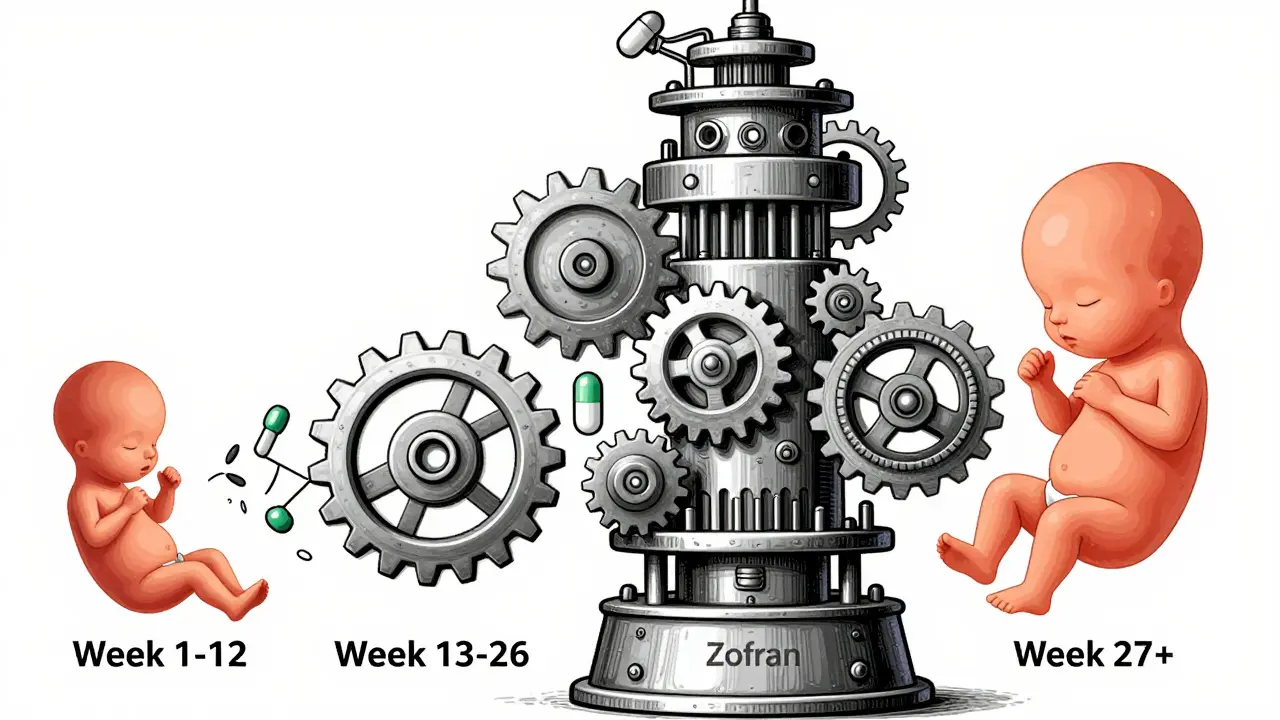
Timing matters more than you think. The first trimester - weeks 1 through 12 - is the most critical. That’s when your baby’s heart, brain, limbs, eyes, and ears are taking shape. Between days 15 and 60 after conception, the embryo is especially vulnerable. A medication taken during this window can cause major structural birth defects like cleft lip, heart defects, or missing fingers.After week 12, the risk shifts. The baby’s organs are mostly formed, so major malformations are less likely. But medications can still cause problems: brain development, hearing, vision, or even behavior can be affected. In the third trimester, drugs might lead to withdrawal symptoms after birth - like jitteriness or breathing trouble - or alter how the baby’s liver and kidneys process toxins.
Some drugs don’t hurt the structure but mess with function. For example, high blood pressure meds that lower your blood pressure too much can reduce blood flow to the placenta, starving the baby of oxygen and nutrients. Others trigger contractions, leading to preterm labor.
Medications With Proven Teratogenic Risks
Not all drugs are created equal. Here are some with clear, documented risks:- Warfarin: Used for blood clots, it can cause fetal warfarin syndrome - a mix of facial deformities, bone problems, and severe intellectual disability. Risk is highest in the first trimester.
- Methotrexate: A drug for autoimmune diseases and cancer, it blocks folate, a vitamin critical for neural tube development. Exposure in early pregnancy raises neural tube defect risk by 10-20%.
- Carbamazepine: An epilepsy medication linked to a 1% risk of spina bifida and other neural tube defects. It also lowers vitamin K, increasing bleeding risk in newborns.
- Factor Xa inhibitors (rivaroxaban, apixaban, edoxaban): These blood thinners cross the placenta easily. There’s no antidote if bleeding happens. Avoid them entirely during pregnancy.
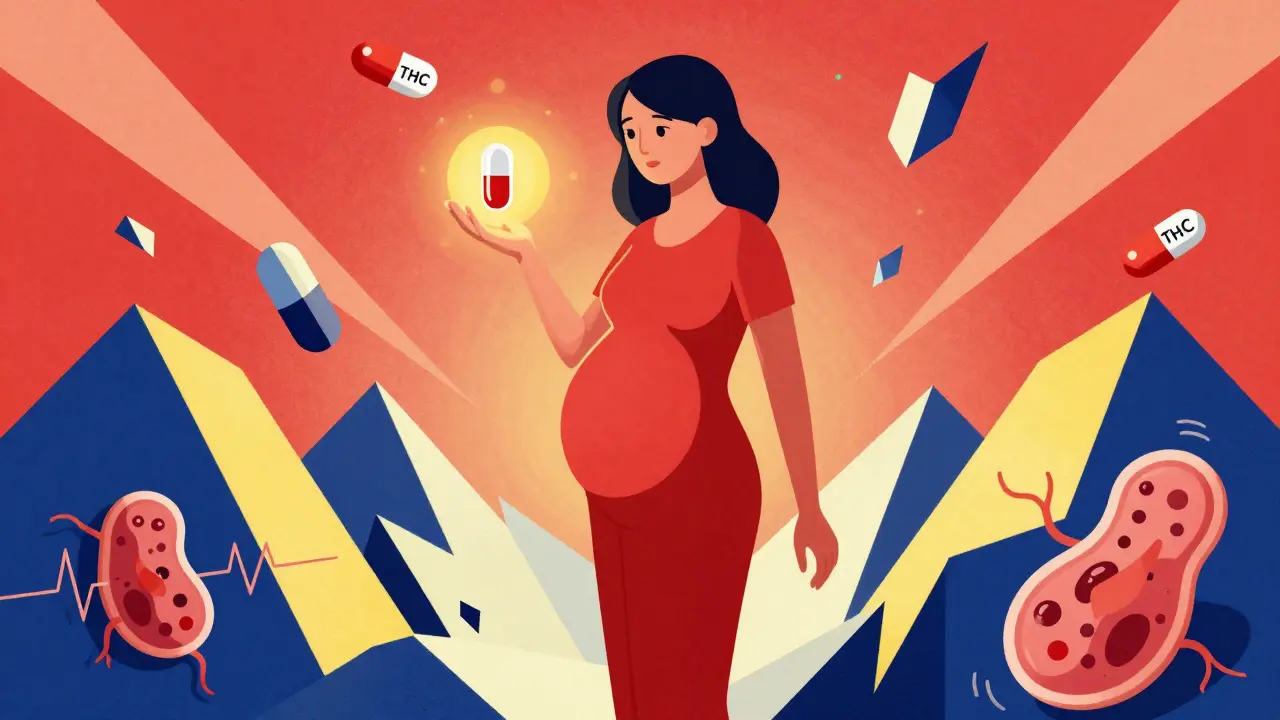
- Cannabis (THC): Even if you think it’s natural, THC crosses into the baby’s bloodstream. It’s tied to low birth weight, preterm birth, and stillbirth. THC stays in breastmilk for days and may affect brain development.
These aren’t hypothetical risks. They’re backed by decades of clinical data. If you’re on any of these, don’t stop cold turkey - talk to your doctor. Uncontrolled seizures, blood clots, or mental illness can be just as dangerous as the medication.
The Acetaminophen Controversy
No drug has sparked more confusion than acetaminophen (Tylenol). It’s the go-to for fever and pain during pregnancy. But in recent years, some studies have linked long-term use to higher risks of ADHD and autism in children. The CDC says these associations exist - but they haven’t proven cause and effect.Meanwhile, the American College of Obstetricians and Gynecologists (ACOG) came out strongly in September 2025, saying: "The conditions we treat with acetaminophen - fever, pain - are far more dangerous than any theoretical risk." Untreated fever during early pregnancy can raise neural tube defect risk by 20-30%. So ACOG stands by acetaminophen as the safest option for pain and fever control.
Here’s the bottom line: occasional use for a headache or fever is fine. Daily use for weeks on end? That’s where concern grows. Don’t panic if you took it early on. But if you’re using it constantly, talk to your provider about alternatives or underlying causes.
Why So Much Uncertainty?
You might wonder: why don’t we know more? The answer is simple - and heartbreaking. We can’t run controlled drug trials on pregnant women. It’s unethical. So nearly all our data comes from watching what happens after the fact: case reports, birth defect registries, and population studies. That means we often see patterns, but not proof.Also, 70-80% of medications on the market have no solid pregnancy safety data. The FDA stopped using the old A, B, C, D, X categories in 2015 because they were too simplistic. Now labels give detailed narratives - but many doctors still rely on the old system, and patients are left confused.
Even online sources are unreliable. One mom on Reddit said she was told Zofran was safe for morning sickness by her OB, then read online it might cause heart defects. That kind of contradiction causes real anxiety. And anxiety itself? That’s bad for pregnancy too.

What Should You Do?
You don’t need to live in fear. You need a plan.- Before you get pregnant: Review every medication - prescription, OTC, herbal, supplement - with your doctor. Switch to safer options if possible.
- If you’re already pregnant: Don’t stop anything without talking to your provider. Abruptly stopping seizure meds, antidepressants, or blood pressure drugs can be more dangerous than the drug itself.
- Use trusted resources: MotherToBaby (run by teratology experts) and LactMed (from the NIH) are free, science-backed sources. Avoid random blogs or Facebook groups.
- Consult a pharmacist: They’re trained in drug interactions and pregnancy risks. Many OBs don’t have time to dig into pharmacology - pharmacists do.
- Track everything: Write down every medication, dose, and date you took it. If something goes wrong, that record could save your baby’s future.
And if you took a medication before you knew you were pregnant? Don’t panic. Most exposures don’t cause harm. The risk is often low - and sometimes nonexistent. The best thing you can do now is get into prenatal care and let your provider know what you took.
The Bigger Picture
Pregnancy medication safety isn’t just about individual choices. It’s about systemic gaps. Only 2-3% of maternal health research funding goes to studying how drugs affect fetuses. Meanwhile, over 50 pregnancy registries exist to track exposures - but only 15-20% of women enroll. We’re flying blind in many ways.But change is coming. The FDA’s Sentinel Initiative is now tracking 10 million electronic health records to find patterns in real time. Pharmacogenomics - testing how your genes affect drug response - could soon let doctors predict if a medication is risky for you specifically, not just in general.
For now, the message is clear: medication use in pregnancy requires careful thought, not fear. You’re not a risk-taker for taking what you need. You’re a caregiver making the best decision with the information you have.
Can I take ibuprofen while pregnant?
Avoid ibuprofen after 20 weeks of pregnancy. It can reduce amniotic fluid and cause heart problems in the baby. Before 20 weeks, occasional use is usually okay, but acetaminophen is still the preferred choice. Always check with your provider first.
Is it safe to take prenatal vitamins with extra iron or folic acid?
Yes. Prenatal vitamins are designed for pregnancy. Folic acid (400-800 mcg daily) actually reduces neural tube defect risk by up to 70%. Iron is safe at prescribed doses. Don’t take extra supplements unless your doctor recommends them.
What if I need antidepressants during pregnancy?
Untreated depression can lead to poor nutrition, preterm birth, and low birth weight. SSRIs like sertraline and citalopram are considered among the safest options. Stopping them suddenly can trigger relapse. Work with your OB and a psychiatrist to find the lowest effective dose.
Are herbal supplements safe during pregnancy?
No. Many herbs - like black cohosh, goldenseal, and pennyroyal - can cause contractions or harm fetal development. Even "natural" doesn’t mean safe. Always tell your provider what supplements you’re taking.
Can I use topical medications like creams or patches?
Most topical medications (like hydrocortisone cream or lidocaine patches) are low-risk because very little enters your bloodstream. But avoid strong steroids or medicated patches over large areas without medical advice. Always ask your provider before using anything new.
What’s Next?
If you’re planning a pregnancy, schedule a preconception visit. Bring your pill bottles, supplements, and a list of conditions you treat. If you’re already pregnant, don’t wait for your next appointment - call your provider today. Ask: "Is this medication still safe for me now?" and "What’s the safest way to manage my condition?"You’re not alone in this. Millions of women have walked this path. The goal isn’t perfection - it’s awareness. With the right information and support, you can protect both your health and your baby’s future.



Look, I get it - you’re scared. But let’s be real: if you’re taking Tylenol for a headache and then panic for three days, you’re stressing more than the drug ever could. ACOG said it plain: untreated fever is the real monster here. Stop Googling at 3 a.m. and call your OB.
Okay, but… what about the 2023 JAMA study that showed a 30% increased risk of ASD with >20 weeks of acetaminophen use? And the 2024 meta-analysis in The Lancet? They didn’t just say ‘association’ - they controlled for maternal stress, SES, even maternal fever history… and still found a dose-response curve. So… is ACOG ignoring data? Or is the data just… messy? I need more than ‘don’t panic’ - I need science. Not slogans.
It is imperative that pregnant individuals consult with their primary care provider prior to the administration of any pharmacological agent. The potential for teratogenicity necessitates a clinically informed decision-making framework. Self-diagnosis via Reddit is not evidence-based practice.
So… the FDA removed the ABCDX labels… but now Big Pharma just writes 50-page PDFs no one reads? 🤔 And MotherToBaby? That’s a NIH front. They’re funded by the same people who make the drugs. 🤫 And why do all the ‘safe’ meds have ‘no data’? Coincidence? Or… are we just the lab rats? 🧪🤰 #BigPharmaPregnancyExperiment
Wait - you’re telling me cannabis is worse than SSRIs? Bro. SSRIs cause weight gain, low libido, and emotional numbness. THC at least helps me sleep and stop crying. And you say ‘avoid’? I’m supposed to just… suffer? My anxiety is worse than any birth defect. Also, why is ibuprofen evil after 20 weeks but fine before? That’s not science - that’s arbitrary line-drawing. Who drew that line? Did they have a baby?
It is worth noting that the overwhelming majority of teratogenic risk assessments are derived from retrospective cohort studies, which are inherently susceptible to confounding variables, recall bias, and selection effects. Moreover, the absence of randomized controlled trials does not equate to absence of risk - but it does preclude definitive causal inference. Therefore, clinical recommendations must be framed as risk-benefit analyses, not categorical prohibitions. To assert otherwise is to misunderstand the epistemology of medical evidence.
You say ‘don’t stop cold turkey’ - but what if your doctor doesn’t know? What if your OB hasn’t read a journal since 2018? I took carbamazepine for 8 weeks before I knew I was pregnant. I cried for three days. Then I Googled. Then I found out the neurologist who prescribed it never told me it was Category D. Now I’m terrified every time my baby moves. And you want me to ‘trust the system’? The system didn’t warn me.
Let’s be honest - we’re all just guessing. The FDA doesn’t test drugs on pregnant women because they’re scared of lawsuits. So we’re left with data from women who took drugs before they knew they were pregnant - and now we’re supposed to treat that like gospel? Meanwhile, China and India run trials on pregnant women with zero oversight. Guess which country has lower birth defect rates? Nah, just kidding - we don’t even track that. But hey, at least we got our ‘safe’ acetaminophen. Meanwhile, my cousin in Mumbai took aspirin all through pregnancy and her kid’s a genius. So… maybe the whole thing’s a myth?
so like… if u took tylenol before u knew u were preggo… its prob fine? like i took 2 for a headache at 5 wks and now i’m terrified lmao. also why is ibuprofen bad after 20 wks? like… what even happens? just wanna know the real deal not the scare stuff