2025/11 Pharmacy Guide: Drug Safety, Interactions, and Patient-Centered Care
When it comes to drug interactions, harmful overlaps between medications that can cause serious side effects or reduce effectiveness. Also known as medication clashes, these are one of the leading causes of preventable hospital visits. In November 2025, our posts dug into real-world cases where common prescriptions collided—like antiemetics wiping out Parkinson’s symptom control by blocking dopamine, or magnesium killing thyroid medication absorption. These aren’t theoretical risks. They’re happening in kitchens, pharmacies, and ERs right now.
Another major cluster? antibiotic allergies, misunderstood reactions that lead to unnecessary avoidance of life-saving drugs. Also known as penicillin label errors, they’re often based on childhood rashes or family stories, not real testing. We broke down why 90% of people who think they’re allergic to penicillin aren’t—and how a simple skin test or challenge can change their treatment forever. This ties directly into cephalosporin cross-reactivity, the outdated belief that cephalosporins are risky for penicillin-allergic patients. New data shows the risk is under 2% with modern versions, especially when side chains are considered. Yet, many doctors still avoid them out of habit, not science.
It’s not just about what drugs you take—it’s how you take them. therapeutic drug monitoring, tracking blood levels of drugs with narrow safety windows. Also known as TDM, it’s critical for drugs like phenytoin, where switching generics without checking levels can trigger seizures or toxicity. We also exposed the chaos behind prescription label standards, the lack of national rules that make pill bottles look different every time you refill. One pharmacy uses bold red for warnings. Another hides dosage in tiny font. No standard means more mistakes. And when you’re managing chronic conditions like diabetes or bronchiectasis, these small inconsistencies can become life-threatening.
What you’ll find below isn’t a list of random articles. It’s a practical field guide for anyone who takes meds, prescribes them, or cares for someone who does. From CBT-I for insomnia to spacing magnesium with thyroid pills, from QT prolongation risks with antibiotics to the truth about OTC sleep aids—every post answers a real question someone asked after a bad experience. No fluff. No theory. Just what works, what doesn’t, and why you should care.
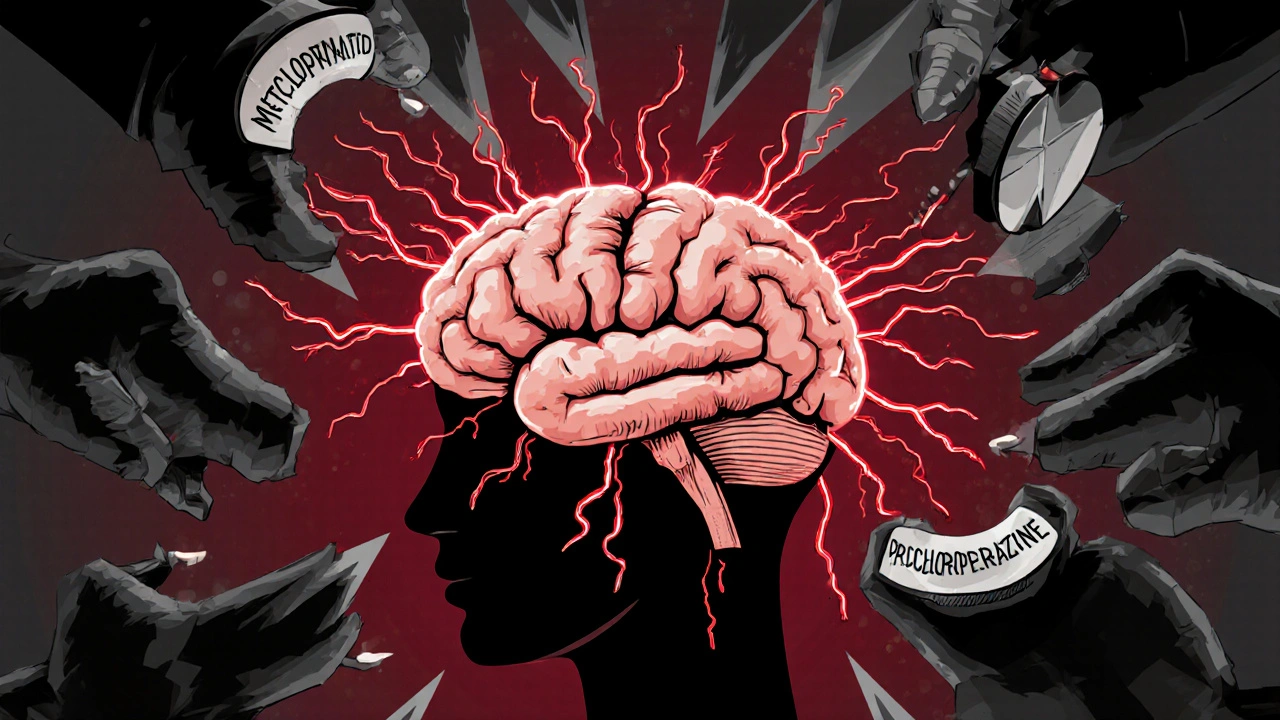
Many antiemetics worsen Parkinson’s symptoms by blocking dopamine. Learn which drugs to avoid, safer alternatives like domperidone and cyclizine, and how to prevent dangerous medication errors.
READ MORE
Most people who think they're allergic to penicillin aren't. Learn the truth about penicillin allergies, how to get tested, and why getting cleared can save your life-and lower healthcare costs for everyone.
READ MORE
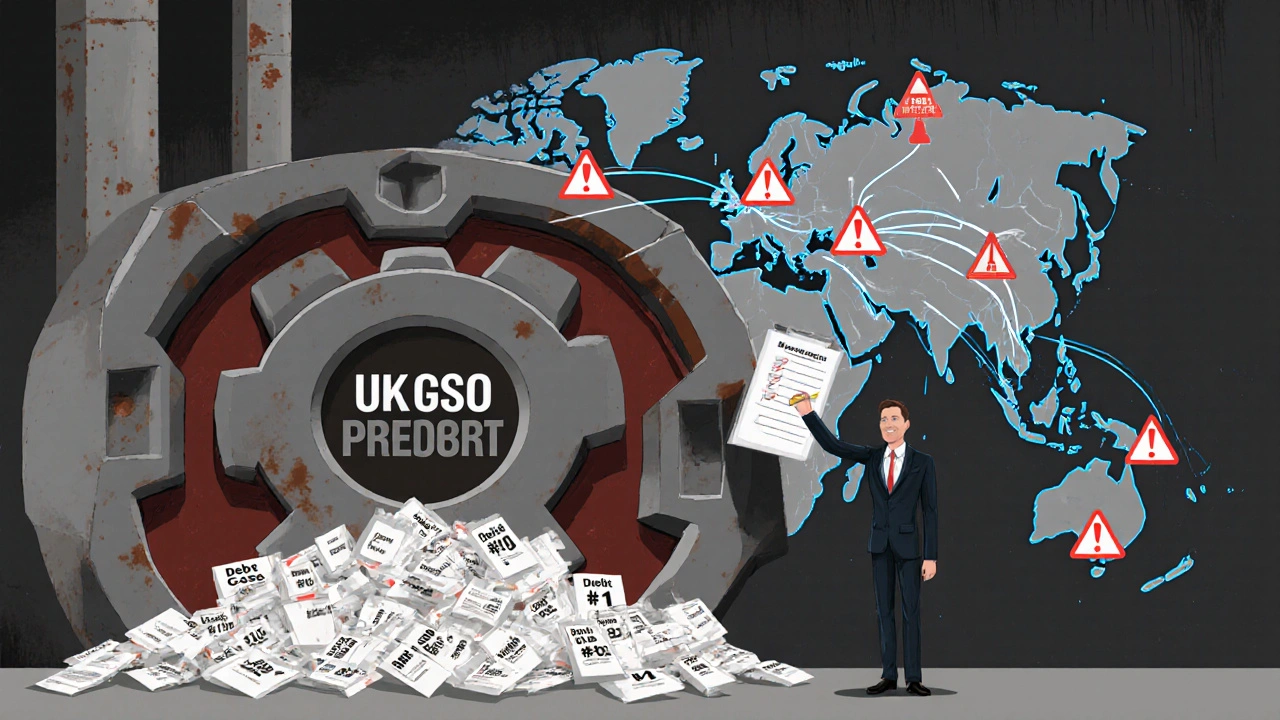
Global Substitution Orders (GSOs) let companies replace themselves in thousands of debt cases with one court filing. The UK leads with fast, low-cost rules - but enforcement abroad is still messy. Here’s how international substitution laws really work.
READ MORE
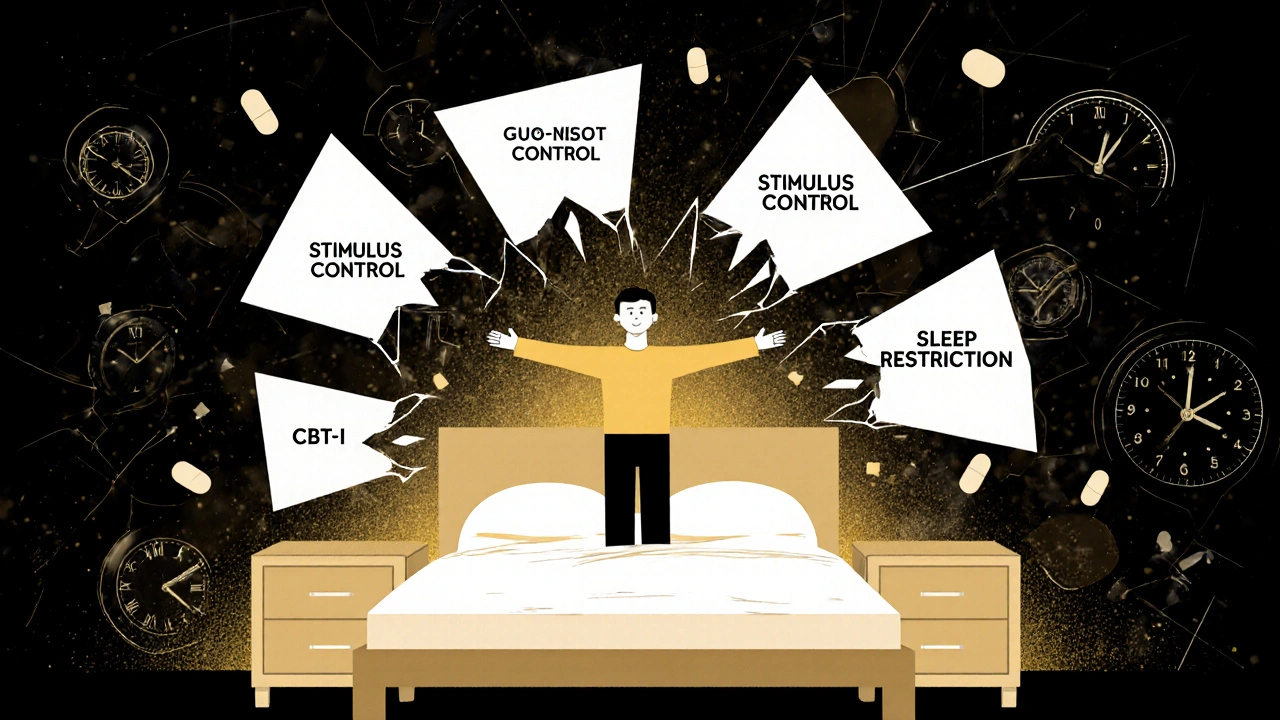
CBT-I is the most effective, drug-free treatment for chronic insomnia. Learn the science-backed techniques that retrain your brain to sleep naturally-without pills, side effects, or relapse.
READ MORE
Metformin and contrast dye were once thought to dangerously interact, raising lactic acidosis risk. New guidelines show the risk is extremely low for most patients-especially with normal kidney function. Here’s what you really need to know.
READ MORE
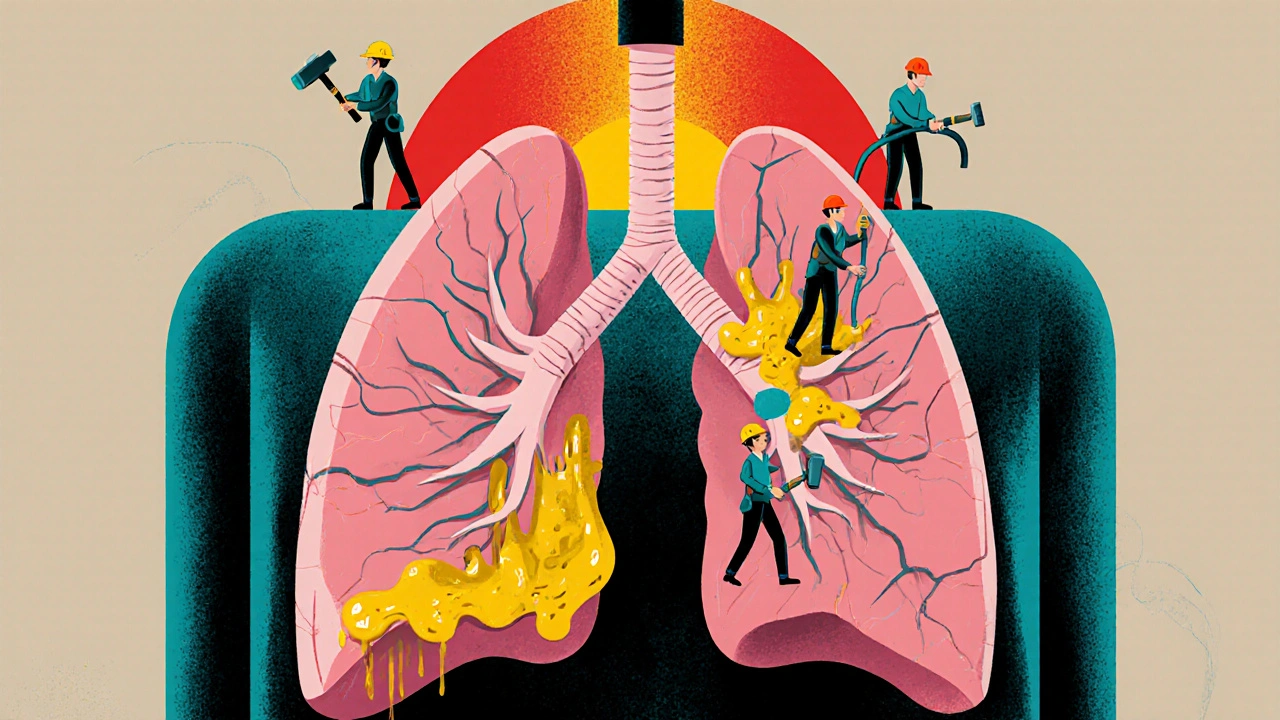
Bronchiectasis is a chronic lung condition causing daily cough and mucus buildup. Learn how daily airway clearance, smart antibiotic use, and hydration can break the infection cycle and slow lung damage.
READ MORE
Prescription labels vary wildly across pharmacies and states because there's no national standard. This inconsistency causes confusion, errors, and even dangerous mistakes. Here's why your pill bottle looks different every time - and what you can do about it.
READ MORE
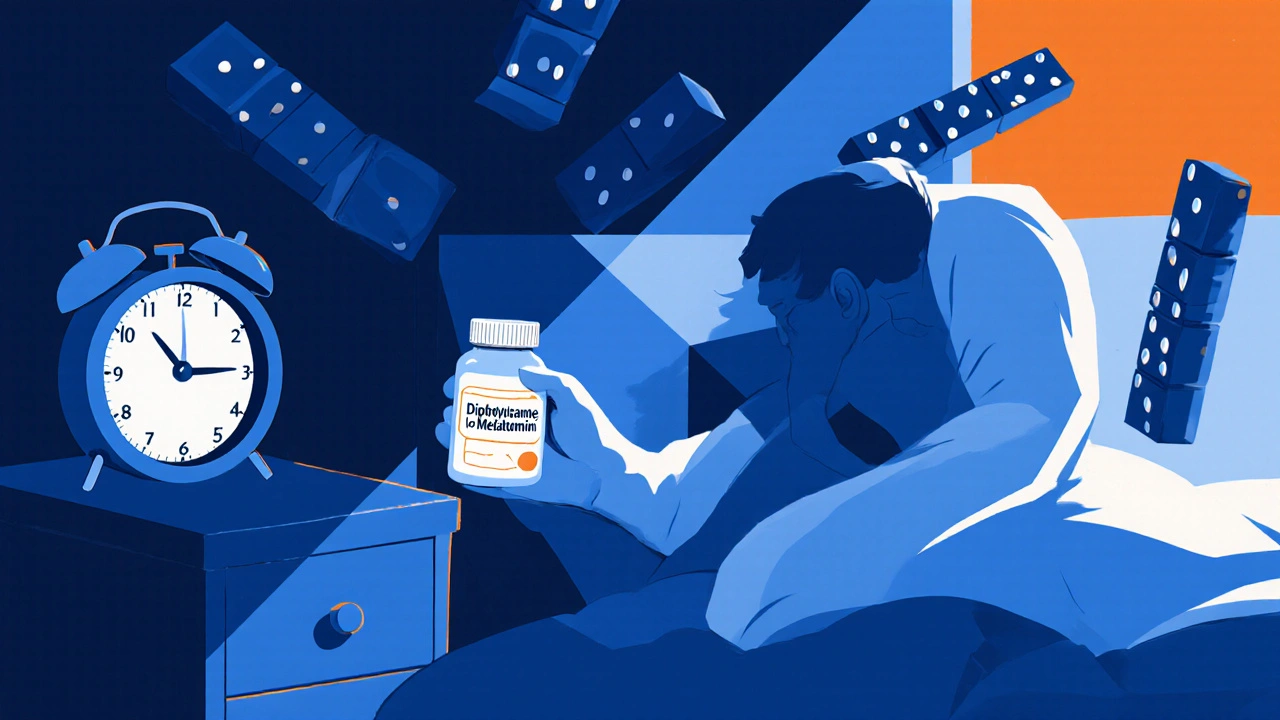
OTC sleep aids may help with occasional insomnia, but long-term use carries risks like dementia, falls, and rebound insomnia. Learn what's in them, who should avoid them, and what actually works better.
READ MORE
Learn the signs of high blood sugar, how to respond to a hyperglycemia emergency, and what causes dangerous spikes. Know when to act at home and when to seek emergency care.
READ MORE
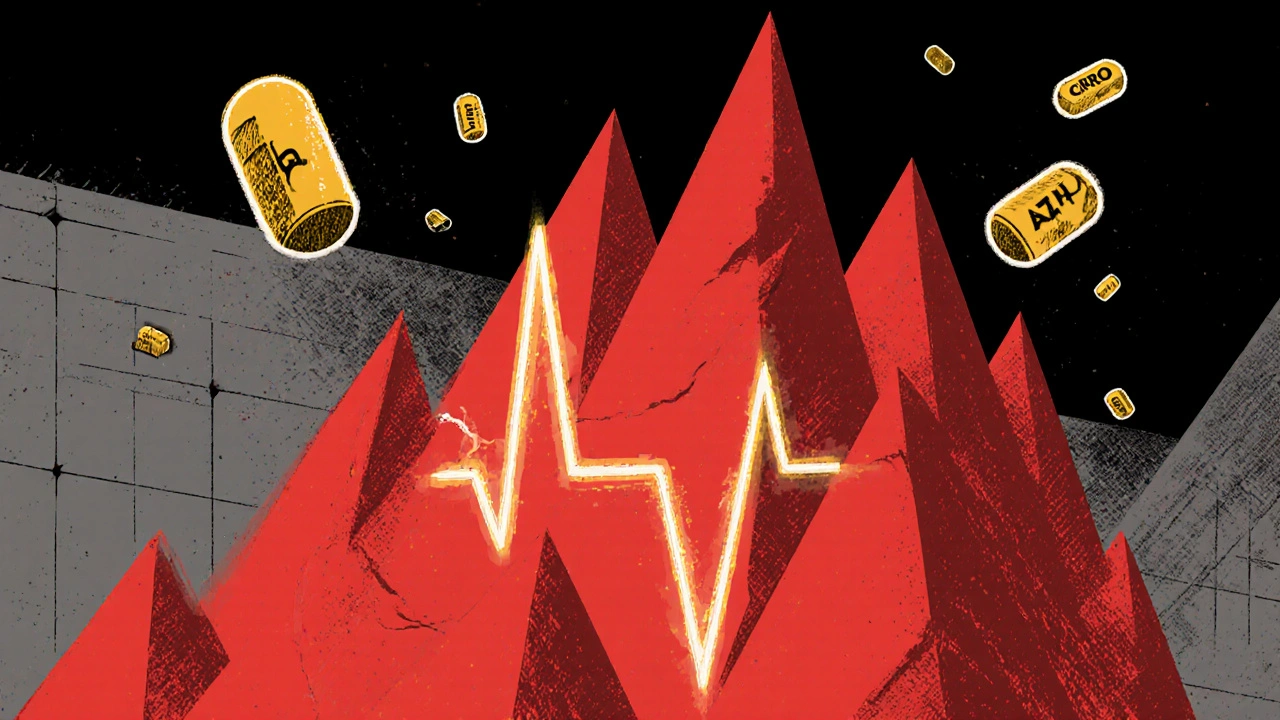
Fluoroquinolones and macrolides can prolong the QT interval, raising the risk of deadly heart rhythms. Learn who’s at risk, how to monitor with accurate ECG measurements, and when to stop these antibiotics to prevent cardiac arrest.
READ MORE