
OTC Diarrhea Treatments: When to Use and When to See a Doctor
Diarrhea is one of those things that hits fast and hits hard. One minute you’re fine, the next you’re sprinting for the bathroom. It’s common, usually harmless, and often gone in a couple of days. But when it’s bad, it feels like your body’s gone rogue. That’s where over-the-counter (OTC) treatments like Imodium and Pepto-Bismol come in. They can help you get back on track-fast. But here’s the catch: they’re not magic pills. Use them wrong, and you could make things worse.
What’s Actually in These Pills?
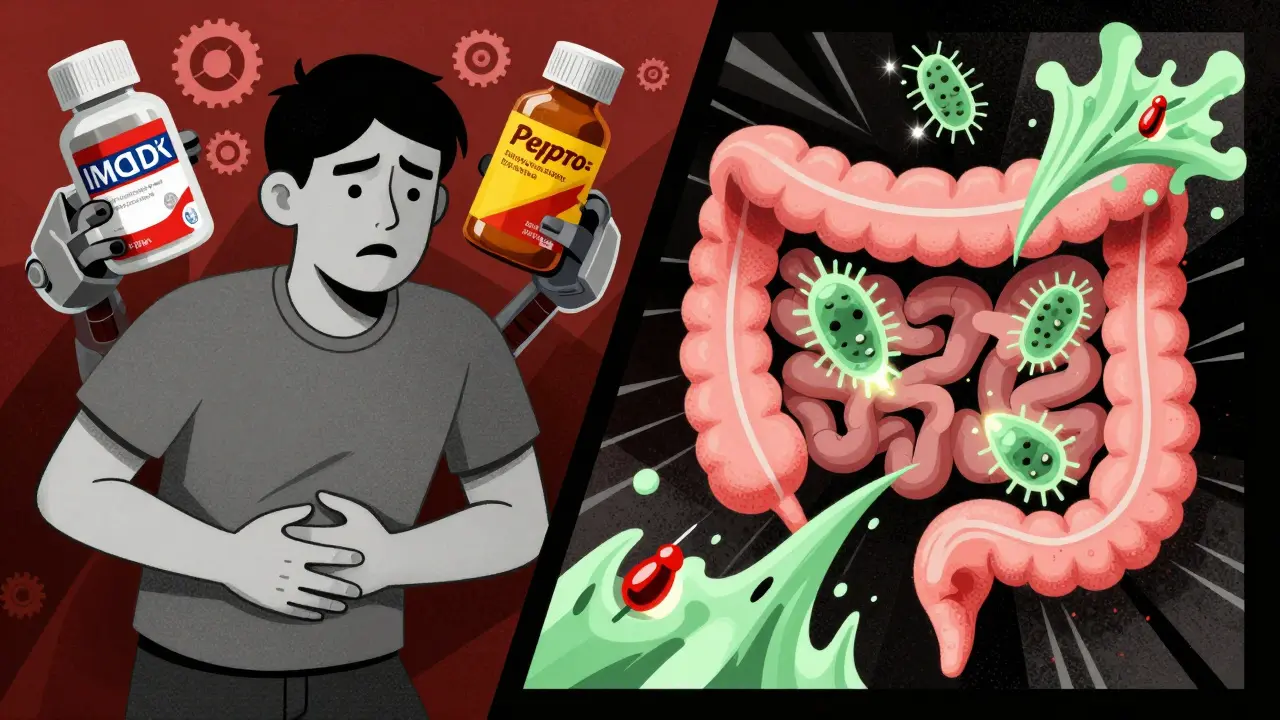
There are two main OTC options for diarrhea, and they work in totally different ways. The first is loperamide, sold as Imodium. It’s a synthetic opioid that slows down your gut. Not the kind that gets you high-this one doesn’t cross into your brain at normal doses. Instead, it binds to receptors in your intestines and tells them to chill out. That means less cramping, less urgency, and fewer trips to the bathroom. Studies show it cuts stool frequency by up to 62% within 24 hours.
The other option is bismuth subsalicylate, the active ingredient in Pepto-Bismol and Kaopectate. This one’s a multitasker. It coats your gut lining, so it’s less irritated. It also kills some of the bacteria causing the problem, like E. coli and Campylobacter. And it reduces inflammation, which helps with nausea and stomach cramps too. Unlike loperamide, it doesn’t just slow things down-it fights the cause.
Both come in multiple forms: caplets, liquids, chewables. Imodium’s liquid version is approved for kids 6 and up; caplets are for 12+. Pepto-Bismol’s kids’ formula is for 12 and older. Always check the label. Giving adult doses to children can lead to serious side effects, including intestinal paralysis.
When to Reach for the Medicine Cabinet
OTC treatments work best for mild to moderate cases of acute diarrhea-think 3 to 6 loose stools a day, no fever, no blood. If you’re traveling, or you ate something sketchy, and you’re just feeling off, these can be lifesavers. Many people report relief within an hour, especially with loperamide.
Here’s how to use them right:
- For Imodium: Take 4 mg after the first loose stool, then 2 mg after each new one. Don’t go over 8 mg in 24 hours.
- For Pepto-Bismol: Take 30 mL (2 tablespoons) after each loose stool, up to 8 doses in 24 hours. That’s about 2,096 mg of bismuth subsalicylate max.
Don’t combine them. Mixing loperamide and bismuth subsalicylate increases your risk of side effects without adding benefit. And never take more than the label says. There are real stories of people taking 50, 60, even 100 mg of loperamide to manage opioid withdrawal-and ending up in the ER with heart rhythm problems. The FDA has warned about this since 2016. More than 40 deaths were linked to loperamide abuse between 1976 and 2015.
When to Stop and Call a Doctor
These meds aren’t for every case of diarrhea. There are red flags that mean you need medical help, not a pill.
Stop using OTC treatments and see a doctor if you have:
- Bloody or black stools
- Fever over 101.3°F (38.5°C)
- Severe abdominal pain or swelling
- Diarrhea lasting more than 48 hours
- Signs of dehydration: dry mouth, dizziness, little or no urine, sunken eyes
- Weight loss over 5% of your body weight
Bloody stools or high fever suggest an infection like Salmonella, Shigella, or even C. diff. Slowing down your gut with loperamide in these cases traps the bacteria inside, making the infection worse. That’s why the Mayo Clinic and the American Gastroenterological Association both say: don’t use anti-diarrheals if you have a fever or blood in your stool.
Also, if you’re over 65, pregnant, or have a history of heart problems, talk to your doctor before taking loperamide. Even at normal doses, it can affect your heart rhythm. The FDA requires warning labels on all loperamide packaging because of this risk.

What You Should Do Instead
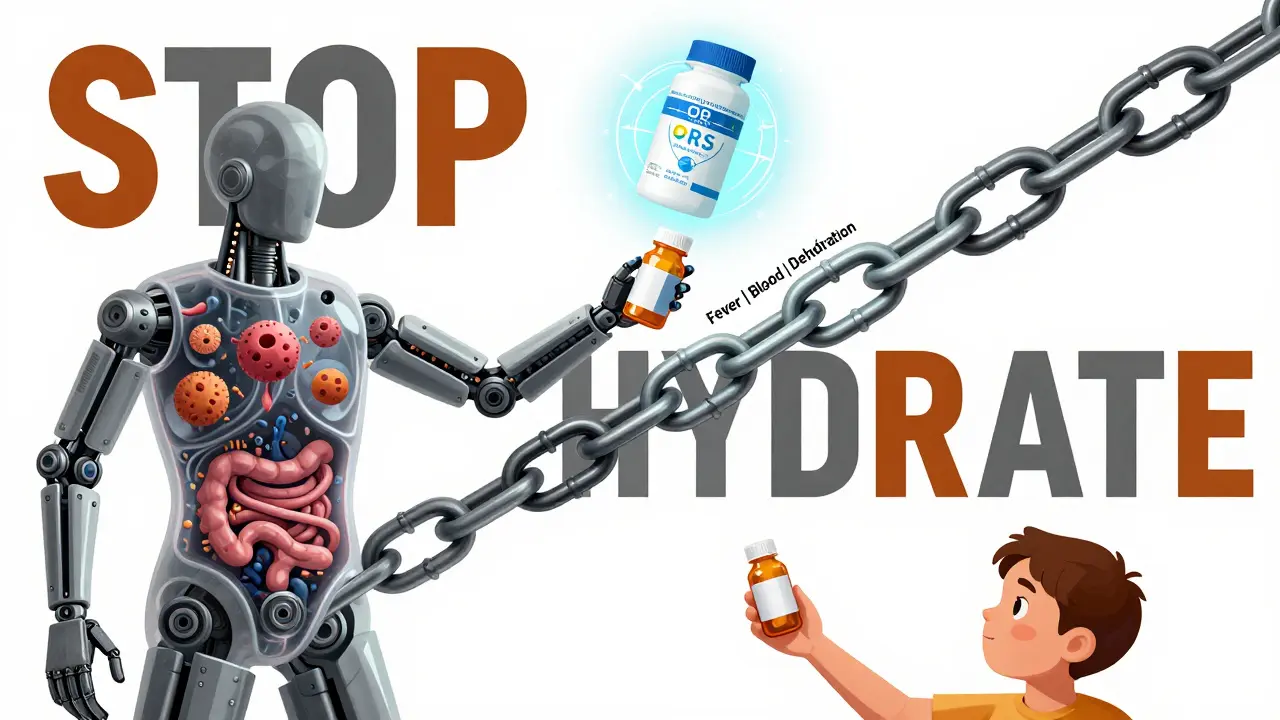
Medication isn’t the only tool. In fact, hydration is more important than any pill.
Drink fluids with electrolytes. Plain water won’t cut it. Use oral rehydration solutions (ORS) with 75 mmol/L sodium-these are the gold standard recommended by the WHO. You can buy them at pharmacies, or make your own: mix 1 liter of clean water with 6 teaspoons of sugar and half a teaspoon of salt.
Avoid dairy, caffeine, alcohol, and high-fiber foods like beans and broccoli while you’re sick. They make diarrhea worse. Stick to the BRAT diet: bananas, rice, applesauce, toast. Simple, bland, easy to digest. A 2022 survey found 92% of pediatricians still recommend this approach for kids and adults alike.
Rest. Your body’s fighting an infection. Pushing through work or workouts won’t help. Let it heal.
What About Prevention?
If you’re traveling to a place with questionable water or food safety, Pepto-Bismol can help before you get sick. Taking 2 tablets (or 30 mL liquid) four times a day can reduce your risk of traveler’s diarrhea by up to 65%, according to a 2022 study in the Journal of Travel Medicine. It’s not a guarantee, but it’s one of the few OTC options proven to help.
And yes, it turns your stool black and your tongue gray. That’s normal. It’s not dangerous-just weird-looking. Tell people you’re taking Pepto-Bismol before they freak out.
Why People Get It Wrong
Most people use these meds correctly the first time. But the real problem comes later.
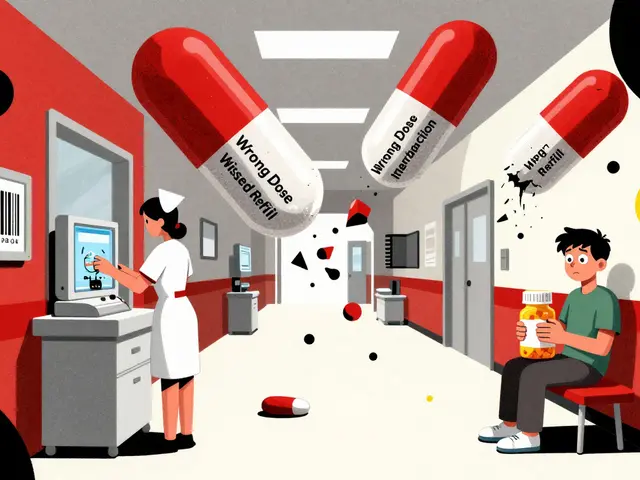
Studies show only 43% of adults know when to stop taking them. They feel better after 24 hours, but keep going because they’re afraid it’ll come back. That’s when constipation kicks in. About 1 in 3 Imodium users report it. One Reddit user wrote: “Took 6 caplets in 4 hours-ended up in the ER with severe constipation.” That’s not a myth. The FDA’s adverse event database has over 100 reports a year of people overdosing on loperamide, mostly because they thought more would help.
Another mistake? Using these for viral diarrhea. If your diarrhea came from a virus like norovirus, anti-diarrheals won’t shorten the illness. They just make you feel less miserable. The virus runs its course in 2-3 days anyway. Your body needs to flush it out.
And don’t use them for kids under 6 unless a doctor says so. Their guts are smaller. Their systems are more sensitive. What’s safe for an adult can be dangerous for a toddler.
The Bigger Picture
Americans spend $1.2 billion a year on OTC diarrhea meds. That’s a lot of money-and a lot of people treating symptoms instead of causes. The truth is, most diarrhea is caused by viruses, bacteria, or food poisoning. The body usually clears it on its own. Medication just helps you survive the ride.
But things are changing. New tests can now identify specific pathogens in stool within hours. In the future, doctors might tell you exactly what you’re fighting-and whether you need antibiotics or just fluids. For now, though, OTC meds are still the go-to for most people.
The key isn’t just knowing which pill to take. It’s knowing when to stop taking it. Listen to your body. If it’s not getting better in two days-or if it’s getting worse-don’t keep reaching for the bottle. Call your doctor. You might just save yourself a trip to the ER.
Can I take Imodium and Pepto-Bismol together?
No. Combining loperamide and bismuth subsalicylate doesn’t improve results and increases your risk of side effects. Pepto-Bismol contains salicylate, which can interact with other medications and cause stomach irritation. Stick to one at a time, and follow the dosage instructions exactly.
Is it safe to use OTC diarrhea meds for kids?
Imodium liquid is approved for children 6 and older, and caplets for 12+. Pepto-Bismol’s children’s formula is for ages 12 and up. Never give adult doses to kids. Children are more vulnerable to side effects like constipation, drowsiness, or even intestinal blockage. Always check the label and talk to a pediatrician if you’re unsure.
Why does Pepto-Bismol turn my stool black?
It’s harmless. Bismuth subsalicylate reacts with sulfur in your digestive tract to form bismuth sulfide, a black compound. This affects 98% of users and can also darken your tongue. It’s not blood or a sign of internal bleeding. The color goes away once you stop taking it.
How long should I wait before seeing a doctor?
If your diarrhea lasts more than 48 hours, or if you have fever, blood in your stool, severe pain, or signs of dehydration, see a doctor immediately. OTC meds are for short-term relief, not long-term management. Persistent diarrhea could signal an infection, inflammatory condition, or other health issue that needs proper treatment.
Can I use these if I’m pregnant?
Loperamide (Imodium) is generally considered low-risk during pregnancy, but only use it if necessary and for the shortest time possible. Bismuth subsalicylate (Pepto-Bismol) contains salicylate, which is related to aspirin and should be avoided in the third trimester. Always check with your OB-GYN before taking any OTC medication while pregnant.
Are there natural alternatives to OTC diarrhea meds?
Hydration is the most effective natural treatment. Oral rehydration solutions, clear broths, and electrolyte-rich drinks like coconut water help your body recover faster. Probiotics (like Lactobacillus) may shorten duration slightly, especially for antibiotic-related diarrhea. But they don’t stop symptoms as quickly as loperamide or bismuth subsalicylate. For fast relief, OTC meds still work best.
What if I accidentally took too much?
If you took more than 8 mg of loperamide in 24 hours, or more than 8 doses of Pepto-Bismol, call Poison Control at 1-800-222-1222 immediately. Symptoms of overdose include dizziness, slow heartbeat, fainting, or trouble breathing. Don’t wait for symptoms to appear-overdosing on loperamide can cause life-threatening heart rhythm problems.
What to Do Next
If you’ve had diarrhea for less than 48 hours, no fever, no blood-go ahead and use an OTC treatment. Follow the label. Stay hydrated. Rest.
If you’re over 48 hours in, or you’ve got any red flags, skip the pills. Call your doctor. Get tested. Don’t risk making it worse.
Diarrhea isn’t something to be embarrassed about. But treating it like a simple fix can be dangerous. Know the limits of these meds. Respect your body’s signals. And when in doubt, call a professional. You’ll feel better faster-and safer.


I’ve used Imodium on a road trip once and thought I was a genius… until I couldn’t poop for three days. 😅 My butt felt like it was in a time warp. Never again. Hydration and rest are my new BFFs.
It’s fascinating how society has normalized pharmaceutical quick-fixes for what is essentially a natural detoxification process. The fact that people willingly ingest synthetic opioids to suppress a biological signal-rather than interrogate the root cause-is a symptom of our medical-industrial complex’s success in pathologizing the mundane. Loperamide isn’t medicine; it’s a band-aid on a hemorrhage.
My grandma used to say, 'If your guts are revoltin', let 'em revolt.' She’d make chamomile tea, lie on the couch, and watch old black-and-white movies. No pills. Just patience. I didn’t get it until I was 30 and spent 48 hours in a bathroom chair wondering why I didn’t just… wait. Sometimes the body knows better than the pharmacy.
People still take Pepto-Bismol like it’s candy? Wow. And you wonder why so many Americans have gut issues. You don’t treat symptoms-you treat the source. And if you’re not eating clean, drinking filtered water, and avoiding gluten like it’s a cult, then no pill is gonna save you. Stop outsourcing your health to Big Pharma and start taking responsibility.
Just a heads up-bismuth subsalicylate can mess with your kidneys if you’re on blood pressure meds. I learned this the hard way. Don’t be that guy. Read the label. Or better yet, don’t take anything. Let your body heal. It’s been doing it for 2 million years without a Walmart aisle full of solutions.
Wait, so you’re telling me the FDA has a warning label on Imodium because people are using it to get high? That’s the dumbest thing I’ve heard since ‘I took 10 Advil for a headache and now I’m in the ER.’ If you’re using diarrhea meds to cope with opioid withdrawal, you need rehab, not a pharmacy trip.
Pepto-Bismol turns your poop black? Cool. Now you look like a dragon who just ate a tire. 🐉
i just took 2 pepto-bismol and now my tongue is gray?? is this normal?? or am i dying?? lol
Think about it-diarrhea is your body’s way of saying, 'Hey, you messed up.' You don’t silence the messenger. You listen. The universe is trying to tell you something. Maybe you ate too much dairy. Maybe you’re holding onto emotional trauma. Maybe your soul needs a cleanse. Pills just mute the message. And what happens when the message gets louder? You end up in the ER. Again. The universe doesn’t give second chances. It just keeps knocking.
It is imperative to underscore that the utilization of over-the-counter antidiarrheal agents, while statistically efficacious in reducing stool frequency, must be approached with the utmost clinical prudence, particularly in populations exhibiting comorbid cardiovascular risk factors or in pediatric contexts. The pharmacokinetic profile of loperamide necessitates strict adherence to dosage guidelines, as supra-therapeutic ingestion may precipitate QT prolongation and torsades de pointes, both of which carry significant mortality risk. One must not conflate symptomatic relief with therapeutic resolution.
How is it possible that in 2025, people still don’t know that Pepto-Bismol contains salicylate? That’s aspirin, folks. Aspirin. In a pill you’re taking for diarrhea. And you’re not reading the label? I’ve seen parents give it to toddlers. I’ve seen teenagers use it to self-medicate after a night of drinking. This isn’t ignorance-it’s negligence. And it’s killing people. Someone needs to start teaching basic pharmacology in high school. Or at least require a quiz before you buy Imodium.
USA always think pills fix everything. In Nigeria, we use ginger, lime, and clean water. No fancy medicine. Body know what to do. You just let it work. Your medicine make you weak. Our way make you strong. This is why we don't have opioid crisis. We don't need to hide from pain. We face it.