

Blood Pressure Medications: ACE Inhibitors, Beta Blockers, and What Works Best
High blood pressure doesn’t always come with symptoms, but it’s quietly raising your risk of heart attack, stroke, and kidney damage. About 108 million American adults have it - nearly half the population. The good news? Most cases can be managed effectively with the right medication. But with so many options - ACE inhibitors, beta blockers, calcium channel blockers, diuretics, and more - how do you know which one is right for you?
How Blood Pressure Medications Actually Work
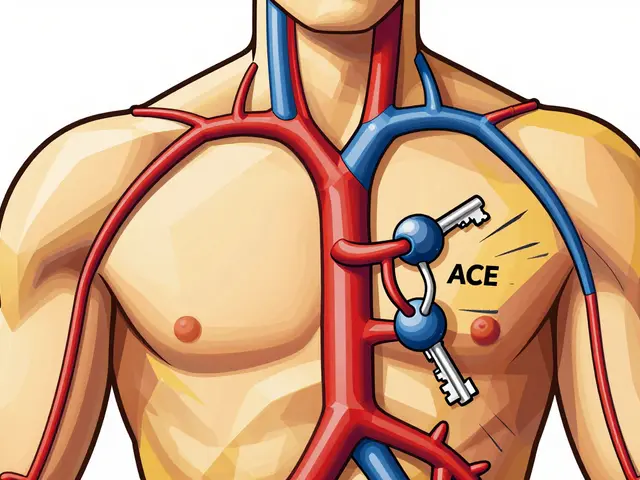
Blood pressure meds don’t just lower numbers. They target how your body controls pressure in the first place. Some relax your arteries. Others reduce fluid volume. Some slow your heart. Each class has a different job, and that’s why doctors don’t just pick one at random.Take ACE inhibitors like lisinopril or enalapril. They block an enzyme that makes angiotensin II - a chemical that tightens blood vessels. Less angiotensin II means relaxed arteries and lower pressure. These are often chosen if you also have diabetes or kidney disease because they protect your kidneys.
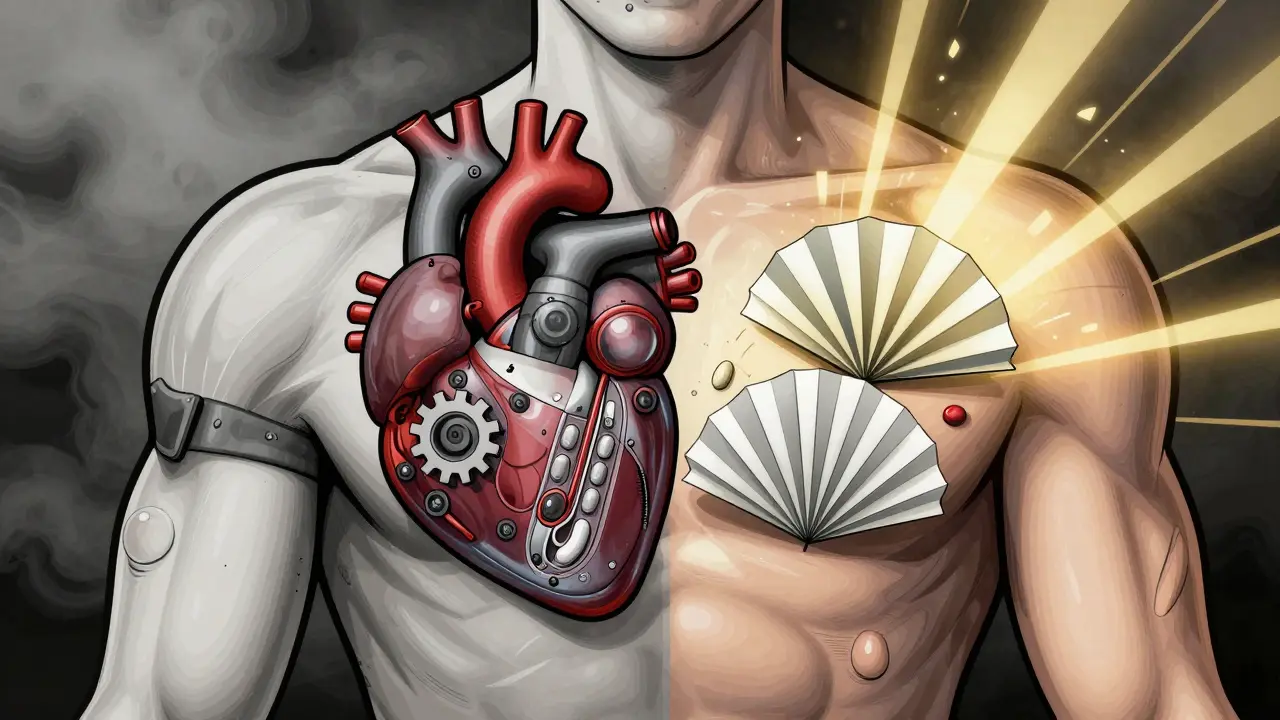
Beta blockers like metoprolol or atenolol work differently. They slow your heart rate and reduce how hard your heart pumps. That lowers pressure, but it also means less energy. Many people on beta blockers report feeling tired, sluggish, or even depressed. That’s why they’re not always the first choice unless you’ve had a heart attack or have heart failure.
Then there are calcium channel blockers like amlodipine. These relax the muscles in your artery walls, letting blood flow more freely. They’re especially effective in older adults and people of African descent. Unlike beta blockers, they don’t cause fatigue. But they can cause ankle swelling - a common complaint that’s harmless but annoying.
Diuretics, often called water pills, make you pee more to flush out extra salt and water. Thiazide diuretics like chlorthalidone and hydrochlorothiazide are the most common. Chlorthalidone is actually more effective than hydrochlorothiazide at preventing heart attacks and strokes, even though they’re both sold as generics for under $10 a month.
Why Some People Switch from ACE Inhibitors to ARBs
If you’ve been on lisinopril for a while and suddenly can’t stop coughing, you’re not alone. About 1 in 5 people on ACE inhibitors get a dry, nagging cough - no mucus, no fever, just constant irritation. It’s not dangerous, but it’s enough to make people quit.That’s where ARBs come in. Losartan, valsartan, and other drugs ending in “-sartan” do the same job as ACE inhibitors - blocking the effects of angiotensin II - but they don’t trigger the cough. One Reddit user, u/BloodPressureWarrior, described switching from lisinopril to losartan: “The cough vanished in 72 hours. My BP stayed at 120/80. I could finally sleep.”
Studies show ARBs are just as good as ACE inhibitors at lowering blood pressure and protecting the heart. In fact, the LIFE trial found losartan reduced heart-related deaths and strokes by 13% more than atenolol in patients with enlarged hearts. So if your cough won’t go away, talk to your doctor about switching. It’s not a failure - it’s a smart adjustment.
Beta Blockers: When They Help, When They Hurt
Beta blockers have a reputation for making people feel like they’re moving through molasses. Fatigue, cold hands, and low sex drive are common. A Drugs.com review summed it up: “I couldn’t get through my workday. I felt like a zombie.”So why are they still prescribed? Because they’re lifesavers for certain people. If you’ve had a heart attack, beta blockers reduce your risk of another one by up to 25%. If you have heart failure, they help your heart pump more efficiently over time. Carvedilol, a newer beta blocker, also widens blood vessels - giving you the benefits of both beta blockade and vasodilation.
But they’re not for everyone. If you have asthma, beta blockers can trigger dangerous bronchospasms. If you have diabetes, they can hide the warning signs of low blood sugar - shaky hands, fast heartbeat - making hypoglycemia harder to catch. That’s why doctors avoid them unless there’s a clear reason to use them.
Calcium Channel Blockers: The Go-To for Many
Amlodipine is one of the most prescribed blood pressure pills in the U.S. Why? Because it works, it’s cheap, and it doesn’t cause the side effects that turn people off other drugs.It’s especially effective for older adults with isolated systolic hypertension - where only the top number (systolic) is high. The ASCOT trial showed amlodipine-based treatment reduced heart attacks and strokes better than atenolol. And unlike ACE inhibitors, it doesn’t cause cough. Unlike diuretics, it doesn’t make you pee constantly.
But it’s not perfect. About 4 out of 10 users report swollen ankles. It’s not dangerous, but it can be uncomfortable. Also, grapefruit juice can boost amlodipine levels by up to 300%, so if you love grapefruit, talk to your doctor. Switching to orange juice is a simple fix.
Diuretics: The Forgotten First-Line Option
Many people think diuretics are old-school. But they’re still the most cost-effective option with the strongest long-term data. Chlorthalidone, in particular, has been shown to reduce cardiovascular events by 18% more than hydrochlorothiazide at the same dose.Why isn’t everyone on chlorthalidone? Because many doctors still default to hydrochlorothiazide - it’s more familiar, and the brand-name version (Microzide) was heavily marketed. But generics of both cost the same. Chlorthalidone lasts longer in your body, giving you 24-hour coverage with one pill. Hydrochlorothiazide wears off after 12 hours, which can lead to spikes in pressure later in the day.
Side effects? Frequent urination, especially at first. And you need to watch your potassium. Some people get low potassium, others get too much - especially if they’re also on ACE inhibitors or ARBs. Your doctor should check your blood every 3-6 months.
Combination Pills: Simpler, Often Better
Most people with high blood pressure need more than one pill. That’s why combination medications are becoming the standard. Instead of taking four separate pills, you might take one that contains amlodipine and valsartan (Exforge) or benazepril and amlodipine (Lotrel).Why does this matter? Because adherence is a huge problem. Only 54% of people with high blood pressure keep it under control - and one big reason is complex regimens. A 2022 study found that people on single-pill combinations are 26% more likely to stick with their treatment.
These combos also work faster. Two drugs at standard doses lower systolic pressure by 4-5 mmHg more than doubling the dose of one drug. That’s the difference between 145 and 135 - enough to cut your stroke risk significantly.
What Your Doctor Isn’t Telling You
Doctors don’t have a one-size-fits-all formula. Your age, race, weight, kidney function, and other conditions all matter. For example:- If you’re Black and don’t have kidney disease, ACE inhibitors are often preferred over ARBs - studies show ARBs may be less effective in this group.
- If you’re over 60 with high systolic pressure, calcium channel blockers or chlorthalidone are usually first-line.
- If you have diabetes or kidney disease, ACE inhibitors or ARBs are typically the best choice.
- If you’ve had a heart attack, beta blockers are critical - even if you feel tired.
And don’t assume your first pill is your forever pill. Blood pressure changes. Side effects appear. Your body adapts. It’s normal to try two or three meds before finding the right combo. The goal isn’t just to lower your number - it’s to find a pill you can live with for decades.
What’s New in 2026
The field is moving fast. In late 2023, the FDA approved the first implantable device for resistant hypertension - a tiny system that zaps nerves around the kidneys to lower pressure. Early results show it cuts systolic pressure by 8-9 mmHg more than a placebo.Researchers are also testing drugs that target multiple pathways at once. Sacubitril/valsartan (Entresto), originally for heart failure, is now being studied for high blood pressure. It’s already shown 20% better outcomes than enalapril in reducing heart-related deaths.
And genetics might soon guide your treatment. A 2023 study in Nature Medicine identified gene markers that predict who responds best to diuretics vs. calcium blockers. In five years, your doctor might run a simple saliva test to pick your first pill.
For now, though, the best approach is still simple: start low, go slow, monitor, and don’t be afraid to switch. Your blood pressure isn’t just a number - it’s a signal. Listen to it. And work with your doctor to find the right tools.
Can I stop taking blood pressure meds if my numbers are normal?
No - not without talking to your doctor. Normal blood pressure on medication means the drug is working, not that you’re cured. Stopping suddenly can cause your pressure to spike dangerously. Some people can reduce or stop meds after losing weight, cutting salt, or getting more exercise - but only under medical supervision.
Which blood pressure medication has the fewest side effects?
There’s no universal answer, but calcium channel blockers like amlodipine tend to have the best balance. They rarely cause fatigue, cough, or sexual issues. Diuretics like chlorthalidone are also well-tolerated long-term, though they can cause frequent urination. The “best” med is the one that works for you without disrupting your life.
Are generic blood pressure pills as good as brand names?
Yes - for nearly all first-line medications. Generic lisinopril, amlodipine, losartan, and chlorthalidone are identical in active ingredients and effectiveness to their brand-name versions. The only exceptions are some extended-release or combination pills where minor differences in fillers might affect absorption - but these are rare. Most generics cost $4-$10 a month with discount programs.
Why do some people need three or four blood pressure pills?
High blood pressure is caused by multiple factors - stiff arteries, too much fluid, overactive nerves, hormonal imbalances. One pill only targets one mechanism. For stage 2 hypertension (140/90 or higher), most people need at least two drugs. Some need three, especially if they’ve had high pressure for years or have other conditions like diabetes or kidney disease. Triple therapy is now recommended early for many patients.
Can lifestyle changes replace blood pressure meds?
For some people, yes - especially if high blood pressure is mild and recent. Losing 10 pounds, cutting salt, exercising regularly, and reducing alcohol can drop systolic pressure by 10-20 mmHg. But if your pressure is 160/100 or higher, lifestyle alone usually isn’t enough. Medication and lifestyle work best together.
Managing high blood pressure isn’t about finding the perfect pill. It’s about finding the right fit - one that lowers your risk without lowering your quality of life. It takes time, patience, and honest conversations with your doctor. But with the right approach, you can live well for decades - even with a diagnosis that affects nearly half the population.



My dad was on lisinopril for years until he started coughing nonstop - like, 3 a.m. coughing fits that made him gag. Switched to losartan and it was like a miracle. No more sleepless nights, same BP numbers. I wish more doctors mentioned the cough side effect upfront. It’s not rare, it’s common.
OMG YES!! I was on metoprolol and felt like a zombie who forgot how to walk. My boss thought I was lazy. Turns out I was just chemically sedated. Switched to amlodipine and suddenly I could jog again. Who knew a pill could make you feel alive??
Stop acting like diuretics are outdated. Chlorthalidone is the OG for a reason. It’s cheaper than your daily coffee habit and works better than half the fancy new drugs. Why are we still pretending hydrochlorothiazide is the gold standard? It’s not. It’s just the one doctors remember from med school.
Why are we even talking about this? Just take your meds. Stop overthinking. Your body doesn’t need a PhD to manage BP. Just do what the doctor says.
Here in India, amlodipine is everywhere. Cheap, effective. But people don’t know about grapefruit. My uncle took it with juice and ended up in ER. Please warn people.
You’re all missing the point. This whole system is a pharmaceutical scam. BP isn’t a disease - it’s a symptom of a broken society. We’re medicating stress, not curing it. The real fix? Quit your job, move to a forest, and stop eating processed food. But no, let’s just keep selling pills.
Important to note: ARBs have superior renal protection in proteinuric CKD vs. CCBs. ACEi/ARB remain first-line for diabetic nephropathy per KDIGO guidelines. Amlodipine’s vascular selectivity makes it ideal for isolated systolic HTN in elderly.
So… if I’m 55, Black, no diabetes, and my BP is 148/92… I should start with amlodipine or chlorthalidone? And not bother with lisinopril? Just checking I’m not being scammed by my doctor.
Exactly. And if you’re on a combo pill like Lotrel, don’t panic if your ankles swell - it’s the amlodipine. Just ask your doc about adding a low-dose diuretic. It’s not a failure, it’s fine-tuning. I’ve been on three combos over 8 years. None were perfect. But together? They kept me alive.
Why do Americans always need 3 pills? In India, one pill is enough. We don’t overmedicate. You’re weak. Just eat less salt and walk. No need for all this science.
Consider this: blood pressure is not a number. It’s a conversation between your heart, your kidneys, your mind, and the silent weight of modern life. The pills are just translators. The real question isn’t which drug - but why did your body scream so loudly in the first place? Maybe your soul needs rest, not another capsule.
People who say ‘just exercise more’ don’t know what it’s like to work two jobs and raise kids. You don’t get to choose when you’re tired. You take the pill so you can survive the day. Don’t judge. Just help.
My doc switched me from atenolol to chlorthalidone after my last blood test showed low potassium. I didn’t even know I was low. Now I eat bananas like they’re candy. Who knew a pill could make you care about fruit?
My grandma took hydrochlorothiazide for 20 years. Never had a problem. Now she’s 89, walks every morning, and still makes her own pickles. Sometimes the old stuff is the best stuff. Don’t chase the new unless you need to.