OTC Medication Expiration Dates: What Actually Matters for Safety and Potency
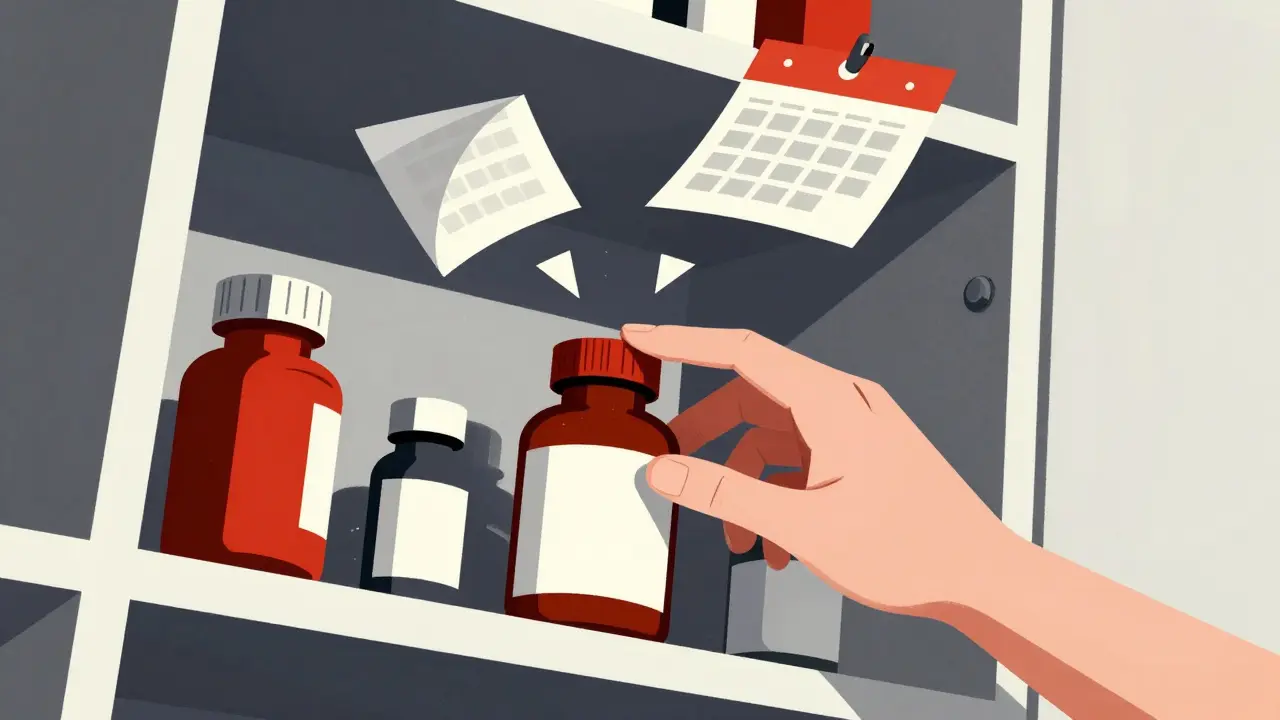
You open the cabinet and find a bottle of pain relievers from two years ago. You throw it in the trash just to be safe, right? It’s a common habit, but it might be throwing away perfectly good medicine. We tend to treat expiration dates like a hard switch where the light goes from green to red instantly on that specific day. But the reality of drug chemistry is much more nuanced. Understanding what those dates really mean can save you money without putting your health at risk.
The Legal Guarantee Versus Scientific Reality
When you see a date on a US Food and Drug Administration (FDA) approved OTC product, that represents a legal commitment, not necessarily a biological deadline. Under federal regulations established after the 1979 Drug Quality Assurance Act, manufacturers must guarantee potency and quality up to that date. This protection exists for liability reasons. If you get sick using a pill past its date, the manufacturer isn’t responsible. However, scientific evidence often shows stability well beyond that window.
The FDA itself conducted the Shelf Life Extension Program(SLEP)Military Medicine Study starting in 1985 to test stockpiled medications. They found that 90 percent of the drugs tested, including many over-the-counter varieties, remained effective for an average of five and a half years past their labeled expiration. In some cases, medications lasted fifteen years. While you aren’t a military stockpile, this highlights a crucial distinction: most solid medications degrade slowly, while others degrade rapidly. Knowing which category your medicine falls into is the difference between cautious waste and practical savings.
High-Risk Medications: When Dates Matter Most
Not every pill behaves the same way under the clock. Some formulations are chemically volatile and dangerous once stability begins to drift. If you rely on these medications for life-threatening conditions, you cannot gamble with an old batch. The risk here isn’t just reduced effectiveness; sometimes the chemical breakdown creates harmful byproducts.
| Medication Type | Risk Level Past Expiry | Key Degradation Factor |
|---|---|---|
| Liquid Antibiotics | Very High | Bacterial Contamination |
| Nitroglycerin Tablets | High | Volatile Gas Release |
| Eye Drops / Ophthalmics | High | Preservative Loss / Infection Risk |
| Solid Tablets (Painkillers) | Low | Slow Chemical Decay |
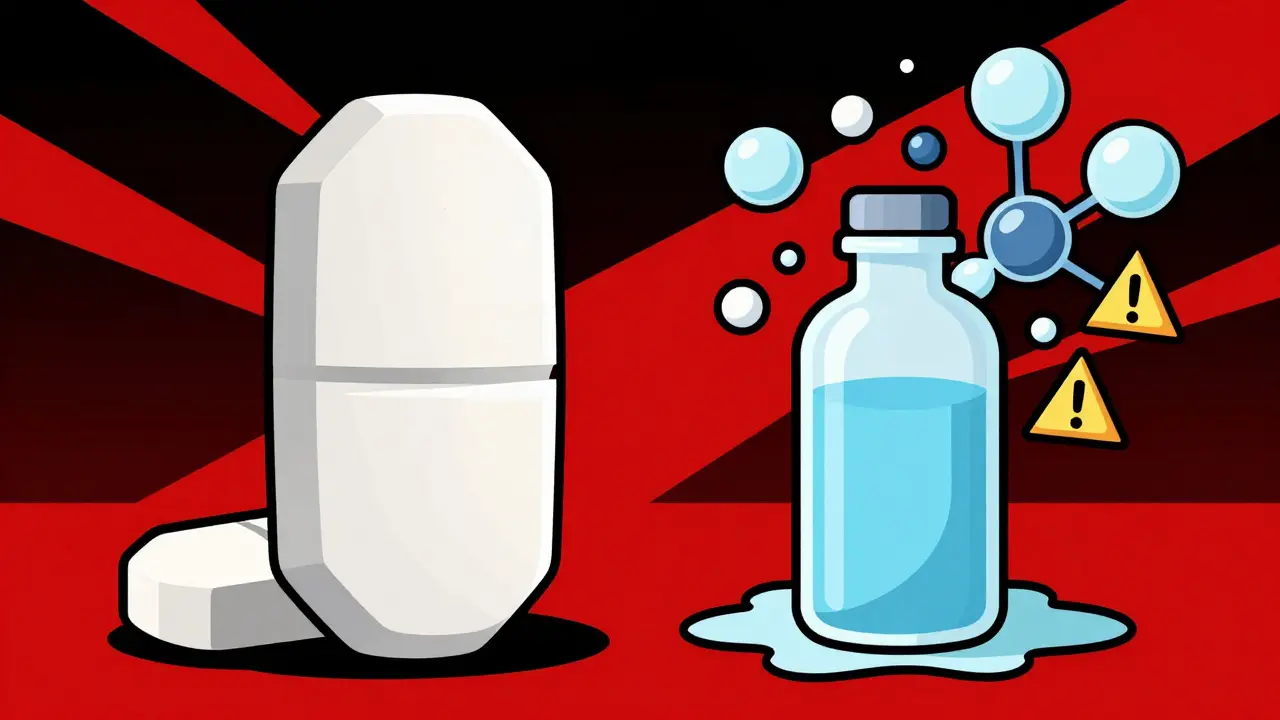
Nitroglycerinfor chest pain is one of the most unstable compounds available. Studies show these tablets can lose forty to fifty percent of their strength within six months of expiration. During a heart attack, that loss could be fatal. Similarly, liquid formulations pose a different threat than chemicals breaking down. Without preservatives, liquids become breeding grounds for bacteria once opened or past their prime. CDC guidelines from 2021 confirmed that liquid antibiotics showed susceptibility to bacterial growth within thirty days of opening, making the printed expiry date secondary to the date you cracked the seal.
Stable Formulations: The Long-Lasting Ones
On the flip side, there are robust drugs where the date is less critical. Standard Acetaminophenpain relief tablets maintain therapeutic levels for seven to twelve years if stored correctly. Research indicates that antihistamines like diphenhydramine retain over eighty-five percent potency even eight to ten years past the label. These are typically Solid Dosage Formstablets and capsules, which lack the water content that fuels bacterial growth and rapid chemical decomposition.
If you are keeping these for emergencies, such as a camping trip or a power outage kit, checking the date is still wise, but discarding them immediately upon passing the year-mark isn't necessary. Visual inspection becomes your primary tool. If a tablet looks discolored, smells off, or crumbles when touched, the structural integrity has failed, and it should go. Otherwise, these remain safe options that reduce household pharmaceutical waste significantly.
Storage Conditions Override Printed Dates
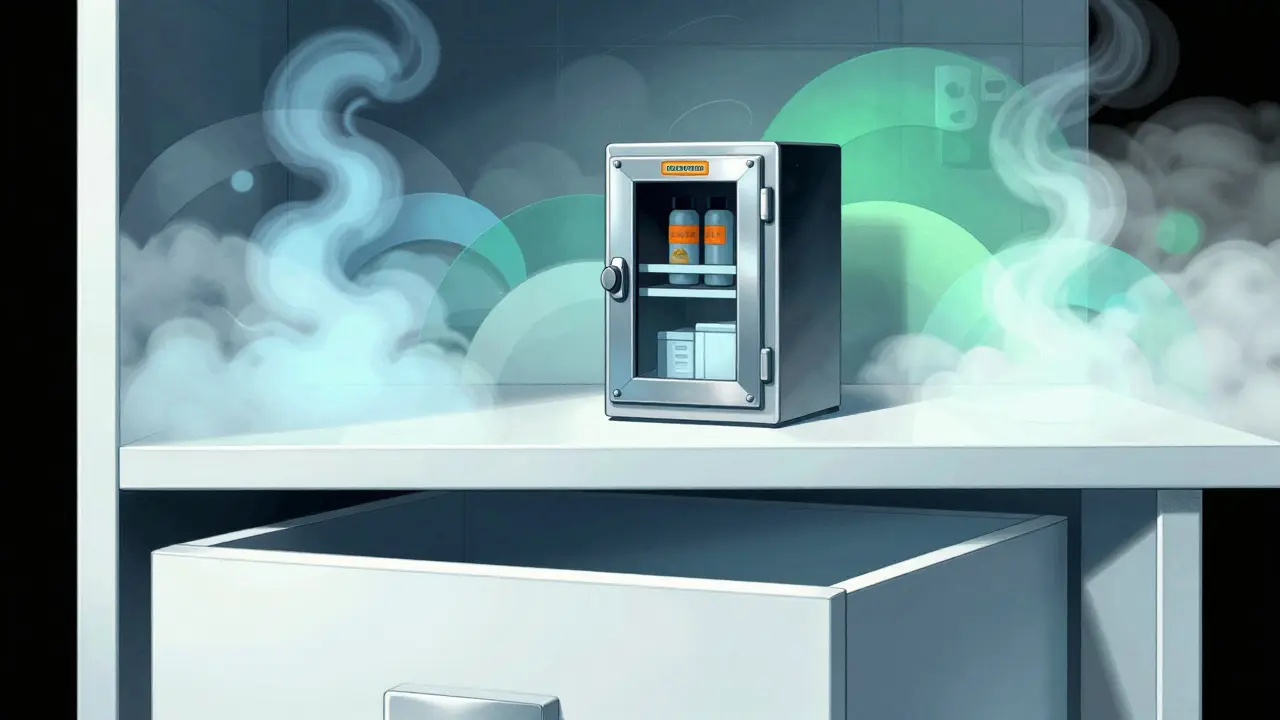
More medicine spoils because of your bathroom cabinet than because of the calendar. Heat and moisture are the silent killers of drug potency. Optimal storage involves temperatures between fifty-nine and seventy-seven degrees Fahrenheit with humidity below sixty percent. The environment inside a bathroom during showers is essentially a humid heat chamber, accelerating degradation far faster than time alone would.
Pharmacist recommendations consistently point to cool, dry places like a bedroom drawer or closet shelf. A 2022 survey by the American Pharmacists Association noted that ninety-two percent of professionals recommend these spots, yet sixty-eight percent of households still keep meds in the bathroom. Avoid direct sunlight, which breaks down active ingredients through UV exposure. If you live in a humid climate like Florida, consider investing in airtight containers with desiccant packs to control moisture, especially for vitamins or herbal supplements.
Safe Disposal Methods You Should Know
Once you decide a medication is unusable, flushing it or tossing it in the trash carries environmental risks. Active ingredients can leach into groundwater. The preferred method is utilizing Drug Take-Back ProgramsDEA authorized disposal. These events occur frequently across the US, allowing you to drop off expired meds for destruction. Many pharmacies now have permanent kiosks. For immediate disposal of opioids not covered by take-back, mixing the pills with dirt or cat litter before throwing them away prevents accidental ingestion by children or pets. Always remove the medication from its original container first to protect patient privacy.
Evaluating Your Home Inventory
It makes sense to do a periodic audit of your supply. Look for three things: date stamps, physical changes in texture or color, and the type of formulation. Keep a log if possible. If you notice a pattern where certain brands spoil faster despite identical storage, note the manufacturer. Some companies have better manufacturing controls and packaging than others. For high-value items like insulin, which degrades ten to fifteen percent monthly after opening, trust the vial date strictly. The cost of replacement is small compared to the risk of diabetic ketoacidosis caused by expired hormone.
While it feels like a burden, managing these details ensures that when you truly need a remedy, it does exactly what you expect. Balancing safety with sustainability means knowing when to keep a bottle and when to let it go.
Is it safe to take an aspirin that expired six months ago?
Yes, solid aspirin tablets typically remain potent for decades past the date. However, check that it doesn’t smell like vinegar. If it smells sour, it has broken down into salicylic acid and acetic acid, meaning it is no longer effective.
Can I use liquid cough syrup past the expiration date?
Generally, no. Liquid formulations carry a high risk of bacterial contamination once opened or past expiration. Unlike pills, syrups contain water and preservatives that expire, turning the bottle into a potential infection source.
Why do bathroom cabinets ruin my medicine faster?
Humidity from hot showers fluctuates temperature and adds moisture. This warping and melting accelerates chemical decay. Ideally, store meds in a cool, dry place like a bedroom closet to extend actual shelf life beyond the printed date.
What are the signs a pill has gone bad?
Look for discoloration, crumbling texture, or a strange smell. If the coating is cracking or the pill has dissolved into dust, the binding agents have degraded, and potency is likely compromised. When in doubt, throw it out.
Does the FDA allow selling expired drugs?
No, retail sale of expired drugs is illegal. However, the FDA acknowledges that many remain stable for testing purposes. Consumers can legally possess and use them at home discretionarily, though manufacturers offer no warranty post-date.