
SGLT2 Inhibitors and Diabetic Ketoacidosis: What You Need to Know About the Hidden Risk
SGLT2 Inhibitor Risk Assessment Tool
Assess Your Risk of Euglycemic DKA
This tool helps determine your risk level for euglycemic diabetic ketoacidosis (euDKA) while taking SGLT2 inhibitors. Remember: euDKA can occur with normal or only slightly elevated blood sugar.
Risk Assessment
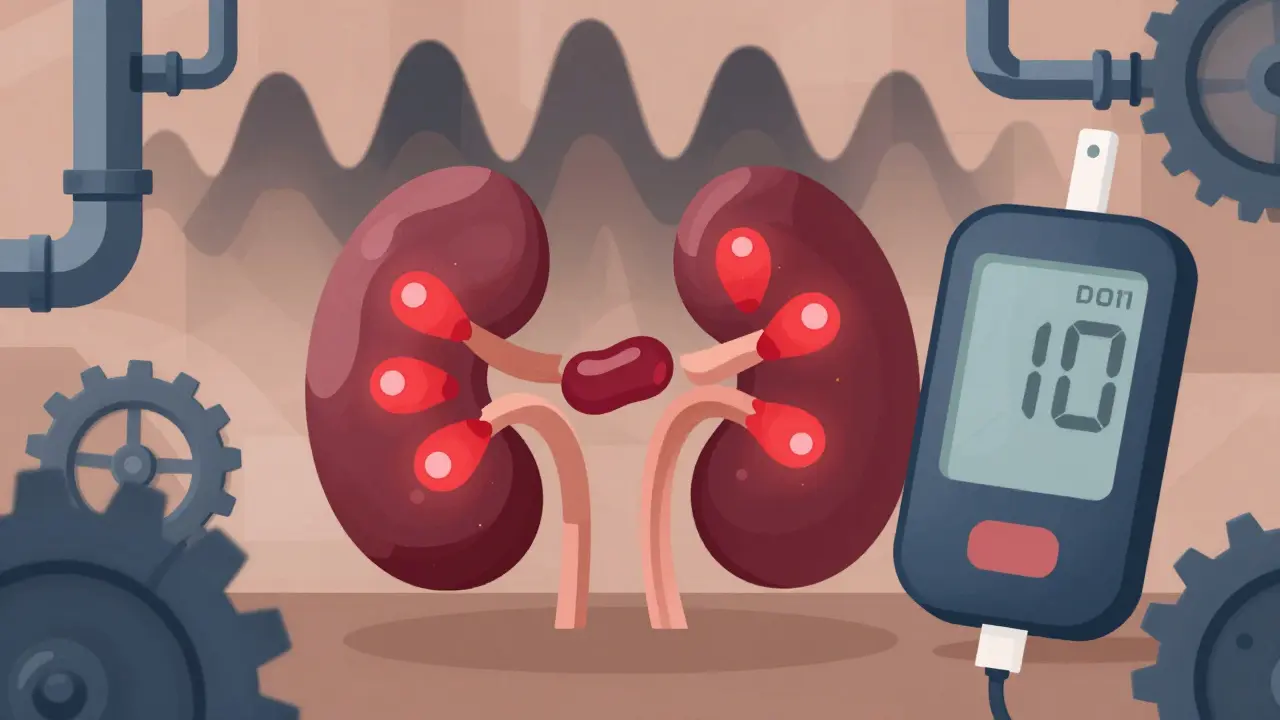
When you're managing type 2 diabetes, finding a medication that lowers blood sugar without causing weight gain or low blood sugar can feel like a win. SGLT2 inhibitors-drugs like canagliflozin, dapagliflozin, and empagliflozin-deliver exactly that. They make your kidneys flush out extra glucose through urine, helping control blood sugar and even offering protection for your heart and kidneys. But there’s a quiet danger hiding in plain sight: diabetic ketoacidosis, and not the kind you expect.
What Is Euglycemic DKA, and Why Does It Matter?
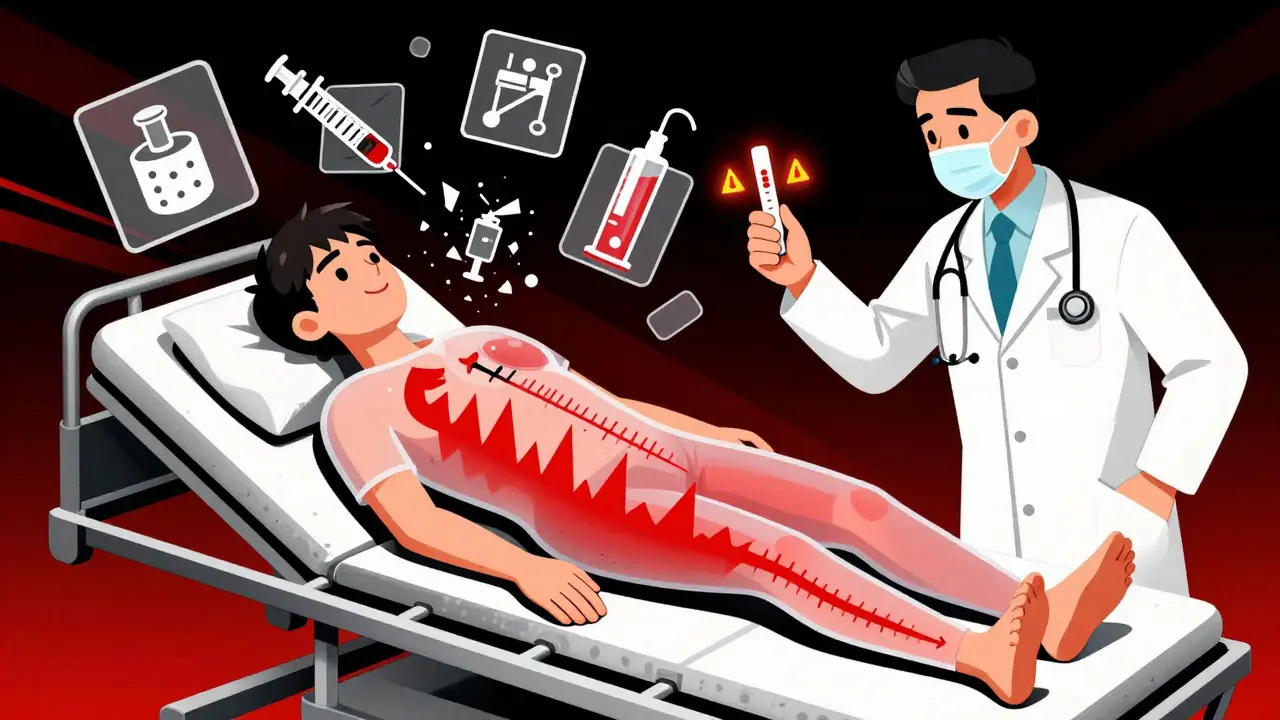
Most people think of diabetic ketoacidosis (DKA) as a crisis with blood sugar over 250 mg/dL, vomiting, and confusion. That’s the classic version, usually seen in type 1 diabetes when insulin is missing. But with SGLT2 inhibitors, a different kind of DKA shows up: euglycemic DKA (euDKA). Blood sugar? Often below 200 mg/dL. Sometimes even normal. But ketones? Sky-high. Acidosis? Still there. This isn’t a rare glitch. Studies show that 30-40% of DKA cases in people taking SGLT2 inhibitors happen with normal or only slightly elevated blood sugar. That’s a problem because doctors and patients alike might not suspect DKA. No high blood sugar? No red flag. So symptoms like nausea, fatigue, or trouble breathing get dismissed as the flu, a stomach bug, or just exhaustion. The European Medicines Agency (EMA) made this clear in 2023: if you’re on an SGLT2 inhibitor and feel unwell, check for ketones-even if your glucose reading looks fine. The FDA has been warning about this since 2015. But many patients still don’t know.How Do SGLT2 Inhibitors Trigger This?
These drugs work by blocking a kidney protein called SGLT2, which normally reabsorbs glucose. When it’s blocked, glucose spills into urine. That’s good for lowering blood sugar-but it also tricks your body into thinking it’s low on fuel. In response, your liver ramps up fat breakdown to make ketones for energy. Normally, insulin would stop this. But in type 2 diabetes, especially if beta-cell function is already weak, insulin isn’t enough to keep ketone production in check. Add in a trigger-like skipping meals, getting sick, cutting carbs, or reducing insulin-and the system goes into overdrive. Alcohol, surgery, or dehydration make it worse. A 2023 analysis of over 1,200 DKA cases linked to SGLT2 inhibitors found that 32.7% happened during illness, 24.1% after insulin was lowered, and 15.3% around surgery. The real danger? Delayed diagnosis. People with euDKA often show up at the ER hours or even days later than those with classic DKA. By then, they’re sicker. One 2021 study found the death rate for euDKA linked to SGLT2 inhibitors was 4.3%, compared to 2.1% for traditional DKA.Who’s Most at Risk?
Not everyone on an SGLT2 inhibitor will get euDKA. But some groups are far more vulnerable:- People with low C-peptide levels (under 1.0 ng/mL): This means their pancreas isn’t making much insulin. One study found 2.4% of these patients developed DKA on SGLT2 inhibitors, compared to just 0.6% in those with higher C-peptide.
- Those with type 1 diabetes: SGLT2 inhibitors aren’t approved for type 1-but some doctors prescribe them off-label. The risk is high. The FDA and ADA warn against this unless under strict supervision.
- People planning surgery or fasting: No food means less glucose. The body turns to fat. SGLT2 inhibitors push it further. Guidelines now say to stop these drugs at least 3 days before any procedure.
- Patients on high doses: Canagliflozin 300 mg carries more risk than 100 mg. Higher dose = more glucose lost = stronger ketone drive.
- Those with recent illness or reduced food intake: Even a short bout of vomiting or a low-carb diet can set off euDKA.
What Do Experts Recommend?
The American Diabetes Association, the American Association of Clinical Endocrinologists, and the Endocrine Society all agree: education and vigilance are key.- Check ketones if you feel off: Nausea, vomiting, stomach pain, fatigue, trouble breathing, or fruity-smelling breath? Test for ketones-urine or blood. Don’t wait for high blood sugar.
- Stop the drug when you’re sick: If you have the flu, an infection, or can’t eat, pause your SGLT2 inhibitor until you’re back on your feet.
- Don’t use these if you’ve had DKA before: That’s a hard stop. The risk of recurrence is too high.
- Don’t use them in insulin-deficient type 2: If your body barely makes insulin, this class isn’t safe.
- Teach patients how to test: A 2022 study showed that teaching patients to check ketones during illness cut DKA rates by 67%.
Is the Risk Worth It?
This is the big question. SGLT2 inhibitors aren’t just sugar-lowering pills. In large trials like EMPA-REG OUTCOME and DECLARE-TIMI 58, they cut heart failure hospitalizations by up to 30% and slowed kidney disease progression. For many, that’s life-changing. The absolute risk of DKA? Very low. Studies estimate about 0.1 to 0.5 events per 100 patient-years. That’s less than 1 in 200 people per year. Compare that to the 20-30% reduction in heart failure risk. For most people with type 2 diabetes and heart or kidney disease, the benefits outweigh the risk. But here’s the catch: risk isn’t just a number. It’s about awareness. If you don’t know the signs, or if your doctor doesn’t warn you, that low number becomes a personal tragedy.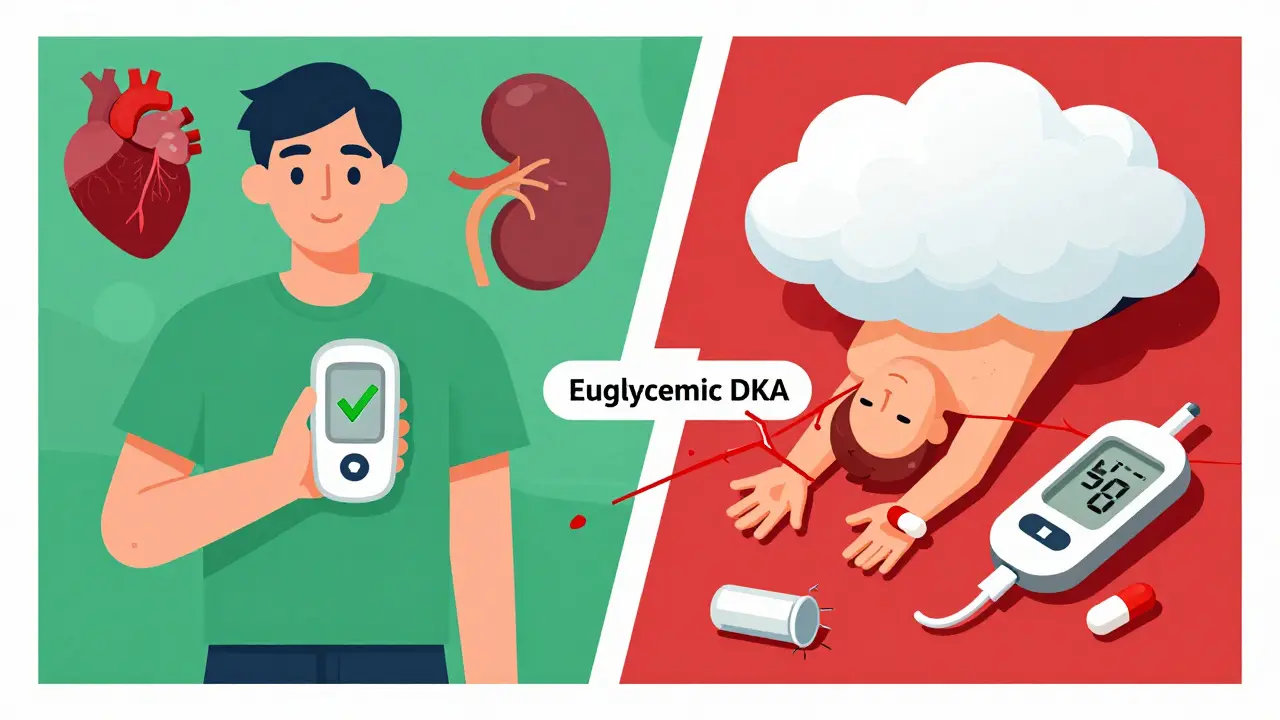
What’s Changing in 2025?
The field is adapting. The FDA now requires all new SGLT2 inhibitor trials to include specific monitoring for euDKA. Researchers are building AI tools to predict who’s most likely to develop it. A 2024 Lancet Digital Health study created a model using 15 clinical factors-like age, kidney function, insulin use, and C-peptide levels-that predicts risk with 87% accuracy. Drugmakers are also working on new versions. Licogliflozin, a dual SGLT1/SGLT2 inhibitor, is in phase 3 trials. Early data suggests it may cause fewer ketones because SGLT1 inhibition slows glucose absorption in the gut, reducing the body’s need to burn fat. Meanwhile, drug labels across the U.S. and Europe now include clear warnings about euDKA. Pharmacists are required to hand out patient fact sheets. But that’s not enough. Real change happens when patients understand what to watch for-and when to act.What Should You Do If You’re on an SGLT2 Inhibitor?
If you’re taking one of these drugs, here’s your action plan:- Know the symptoms: nausea, vomiting, belly pain, tiredness, rapid breathing, confusion, fruity breath.
- Keep ketone test strips at home. Use them if you’re sick, stressed, or eating less.
- Stop the drug if you’re hospitalized, having surgery, or can’t eat for more than a day.
- Call your doctor if ketones are moderate or high-even if your blood sugar is normal.
- Don’t stop insulin or reduce it without talking to your provider.
- Ask your doctor to check your C-peptide level if you’re unsure how much insulin your body makes.
Final Thought: Knowledge Saves Lives
SGLT2 inhibitors are powerful tools. But they’re not magic. They work best when you understand their risks-and how to prevent them. The biggest danger isn’t the drug itself. It’s the silence around euDKA. When patients and providers assume high blood sugar is needed for DKA, lives are lost. This isn’t about fear. It’s about awareness. If you’re on one of these medications, don’t wait for a crisis. Learn the signs. Test your ketones. Speak up. Your life might depend on it.Can SGLT2 inhibitors cause diabetic ketoacidosis even if my blood sugar is normal?
Yes. This is called euglycemic DKA (euDKA), and it’s a known risk of SGLT2 inhibitors. Blood sugar can be below 200 mg/dL-or even normal-while ketones rise and acidosis develops. This makes it harder to detect because high blood sugar is the usual red flag for DKA. Always check for ketones if you feel unwell, even if your glucose reading looks fine.
Which SGLT2 inhibitors carry the highest risk of DKA?
All SGLT2 inhibitors-canagliflozin, dapagliflozin, empagliflozin, and ertugliflozin-carry this risk. However, higher doses (like canagliflozin 300 mg) are linked to greater risk than lower doses (100 mg). The drug itself isn’t the only factor; individual factors like low insulin production and illness play a bigger role. But no SGLT2 inhibitor is risk-free when it comes to DKA.
Should I stop taking my SGLT2 inhibitor before surgery?
Yes. Guidelines from the American Association of Clinical Endocrinologists and the Endocrine Society recommend stopping SGLT2 inhibitors at least 3 days before any surgery or procedure that requires fasting. This reduces the risk of euDKA triggered by lack of food and stress on the body. Restart the drug only after you’re eating normally and feeling well.
Can I use SGLT2 inhibitors if I have type 1 diabetes?
Generally, no. SGLT2 inhibitors are not approved for type 1 diabetes because the risk of DKA is significantly higher. Some doctors prescribe them off-label, but only under strict supervision with close ketone monitoring. The FDA and ADA strongly advise against using them in type 1 patients unless there’s no other option-and even then, with extreme caution.
How do I check for ketones at home?
You can check ketones using urine test strips (like Ketostix) or a blood ketone meter (like Precision Xtra). Blood ketone testing is more accurate and faster. Test if you’re sick, vomiting, feeling unusually tired, or have abdominal pain-even if your blood sugar is below 250 mg/dL. If ketones are moderate or high, contact your doctor immediately. Don’t wait.
Are SGLT2 inhibitors still safe to take?
For most people with type 2 diabetes who have heart or kidney disease, yes-when used correctly. The cardiovascular and kidney benefits are well-documented and often life-saving. But safety depends on awareness. If you know the signs of euDKA, test ketones when needed, and follow your doctor’s advice on stopping the drug during illness or surgery, the risk is very low. The danger lies in ignorance, not the drug itself.





So you're telling me my glucose monitor is useless now? Great. Just great.
lol i just got prescribed empagliflozin last week and now im paranoid i’m gonna drop dead from ‘euglycemic dka’ like some kind of medical thriller villain
Wait-so if your blood sugar is normal, but you’re feeling awful, you might actually be in DKA? That’s terrifying. I had no idea. I’ve been telling my mom to check her ketones when she’s sick, but I never thought to tell her to ignore the glucose reading. This is life-saving info. Thank you for writing this.
They made a 15-factor AI model to predict who’ll get euDKA? That’s wild. Meanwhile, my endo still thinks I’m ‘overreacting’ when I ask about ketone strips. I swear, if I had a dollar for every time a doctor said ‘but your sugar’s fine’… I’d buy a whole pharmacy.
My cousin was hospitalized last year with this exact thing-normal sugar, but she couldn’t breathe and kept vomiting. The ER docs thought it was food poisoning. Took three days to catch it. She’s okay now, but it scared us all. I’m printing out the ketone testing guide and putting it on the fridge. Better safe than sorry.
It’s not the drug-it’s the ignorance. The real tragedy isn’t the pharmacology; it’s the epistemological failure of modern medicine to prioritize patient literacy over algorithmic convenience. We’ve outsourced vigilance to pharmaceuticals, and now the body pays the price. The ketone test isn’t a tool-it’s a metaphysical act of resistance.
I’ve been on dapagliflozin for two years. I’ve had the flu twice, skipped meals during travel, even tried keto for a week (bad idea, btw). I’ve never felt better-my A1c dropped, my heart feels lighter, and I lost 22 pounds. But now I keep ketone strips in my purse like a survivalist. I test when I’m tired, when I’m stressed, when I just feel… off. It’s not fear. It’s responsibility. And if your doctor hasn’t told you this? Ask them. Again. And again. Because this isn’t a footnote-it’s a lifeline.
ok so i just checked my ketones after i got sick last week and they were high even though my sugar was 185?? i called my dr and they were like ‘oh wow you’re actually paying attention’ and then i got a free glucometer. i’m not mad, just impressed. also i spelled ‘glucometer’ wrong in the text but you get it lol