Brand Name vs Generic: What Really Matters for Your Health and Wallet
When you pick up a prescription, you might see two options: the brand name drug, a medication developed and marketed by the original pharmaceutical company under a patent. Also known as innovator drug, it’s often more expensive because the company recouped research costs. Or you’ll see the generic drug, a chemically identical version approved after the patent expires. Also known as nonproprietary drug, it’s usually cheaper because manufacturers don’t repeat costly clinical trials. The FDA says they’re the same—but is that really true for your body?
Here’s the catch: brand name vs generic isn’t just about price. For most drugs, generics work just as well. But for drugs with a narrow therapeutic index, a small difference in dosage can cause serious side effects or treatment failure—like phenytoin, warfarin, or theophylline—even tiny variations in how the generic is absorbed can matter. That’s why doctors sometimes insist on the brand. And why some patients report feeling different after switching, even if blood tests say everything’s fine. Your body doesn’t always care about FDA paperwork—it cares about how you feel.
Then there’s drug substitution, when a pharmacy swaps your brand for a generic without asking. In most states, they’re allowed to do this unless your doctor writes "do not substitute." But what if your insurance pushes the cheaper version, and you end up with a different generic every month? That’s not just confusing—it can be risky if you’re on multiple meds. One study found patients on epilepsy drugs switched between generics had a 20% higher chance of breakthrough seizures. That’s not a small risk.
It’s not just about safety. It’s about control. If you’ve found a brand that works, why should you be forced to switch? Some people swear by their brand. Others save hundreds a month on generics. Neither is wrong. But you deserve to know when a switch might affect you—and when it’s safe to save.
Below, you’ll find real-world guides on how to spot dangerous differences in drug formulations, when to push back on substitutions, how to track your medication’s effects after a switch, and what to ask your pharmacist when they hand you a new bottle. These aren’t theory pieces—they’re tools for people who’ve been burned by a bad switch, confused by label changes, or worried their meds just don’t feel right anymore.
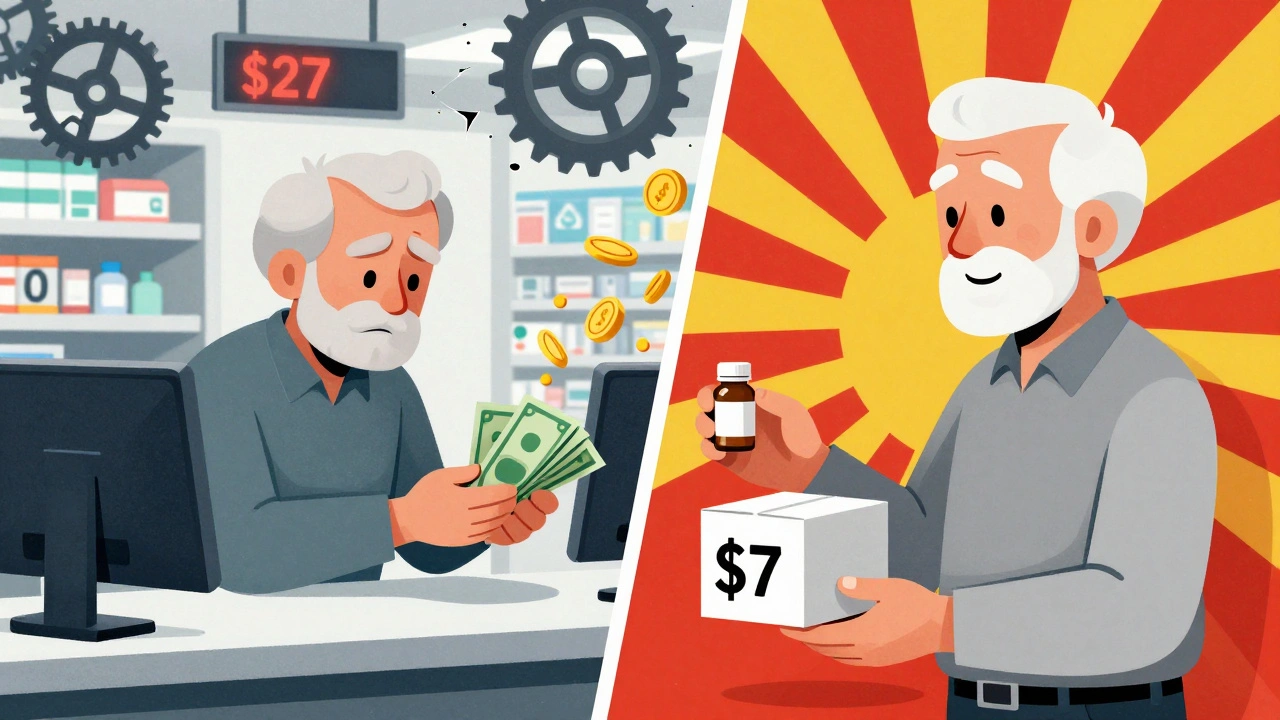
Generics cut prescription costs by up to 90%, yet many Americans still overpay due to opaque pricing. Learn how to save hundreds annually by switching to generics and using direct-to-consumer pharmacies.
READ MORE