GLP-1 Side Effects: What You Really Need to Know Before Starting
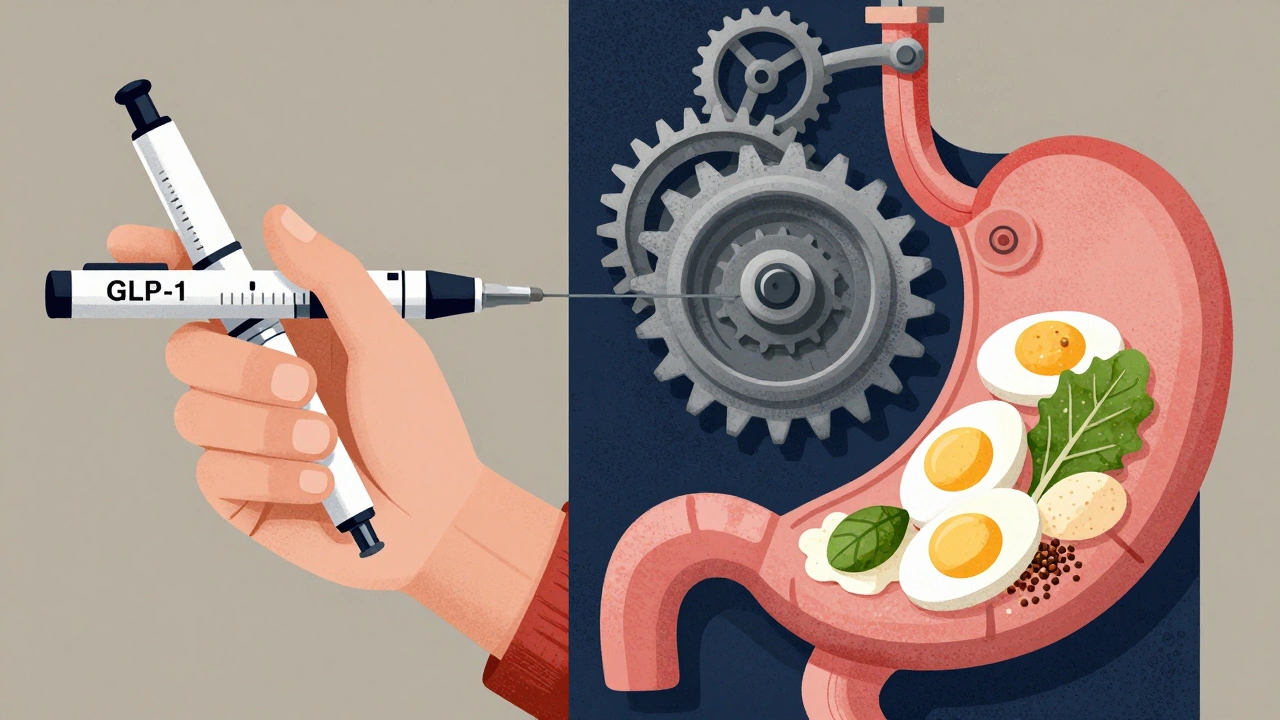
When you hear about GLP-1 agonists, a class of drugs used for type 2 diabetes and weight loss that mimic a natural hormone in the gut. Also known as GLP-1 receptor agonists, these medications help your body control blood sugar and reduce appetite by signaling fullness faster. They’re popular because they work — but they’re not magic. A lot of people start them excited about losing weight or better glucose control, then hit a wall: nausea, vomiting, or stomach cramps. These aren’t rare. They’re expected. And knowing that upfront changes everything.
Not everyone gets side effects, but if you do, it’s usually in the first few weeks. Your body isn’t broken — it’s adjusting. Nausea, a common reaction to GLP-1 drugs caused by slowed stomach emptying is the biggest complaint. It’s not the same as food poisoning. It’s more like feeling full too soon, even when you haven’t eaten much. Some people get dizziness or constipation. Diarrhea happens too, but less often. These aren’t side effects you ignore — they’re signals. Slow down your dose. Eat smaller meals. Skip greasy or sugary foods. Most people find relief within a month. If it doesn’t, talk to your doctor. There are ways to adjust without quitting.
What you won’t hear from ads is that pancreatitis, inflammation of the pancreas, is a rare but serious risk tied to GLP-1 drugs. It’s uncommon — less than 1 in 1,000 users — but if you have sharp belly pain that won’t quit, especially with vomiting, get checked. Same with gallbladder problems. These drugs change how your body handles fat and bile. People with a history of gallstones should be cautious. And while weight loss is the goal, losing too fast can cause muscle loss or loose skin. That’s not always discussed either.
These drugs aren’t for everyone. If you’ve had thyroid cancer, or a family history of medullary thyroid cancer, you should avoid them. The FDA warns about a possible link to thyroid tumors in rodents — we don’t know yet if it applies to humans, but it’s enough to skip if you’re at risk. And if you’re on insulin or other diabetes meds, your risk of low blood sugar goes up. You’ll need to adjust those doses carefully.
What’s clear from the real-world stories is this: most people who stick with GLP-1 drugs past the first month feel better than they did before. Their blood sugar steadies. Their hunger drops. They lose weight without counting every calorie. But the path isn’t smooth for everyone. The difference between success and quitting often comes down to preparation — knowing what to expect, how to manage it, and when to ask for help.
Below, you’ll find real posts from people who’ve been there — whether they battled nausea for weeks, dealt with unexpected side effects, or found the right dose that finally worked. These aren’t ads. They’re experiences. And they might be exactly what you need to make the right call.
Learn how to manage GLP-1 GI side effects like nausea and bloating with smart meal planning and personalized dose titration. Reduce discontinuation risk and stay on track with proven, real-world strategies.
READ MORE