Managing Diabetes When Sick
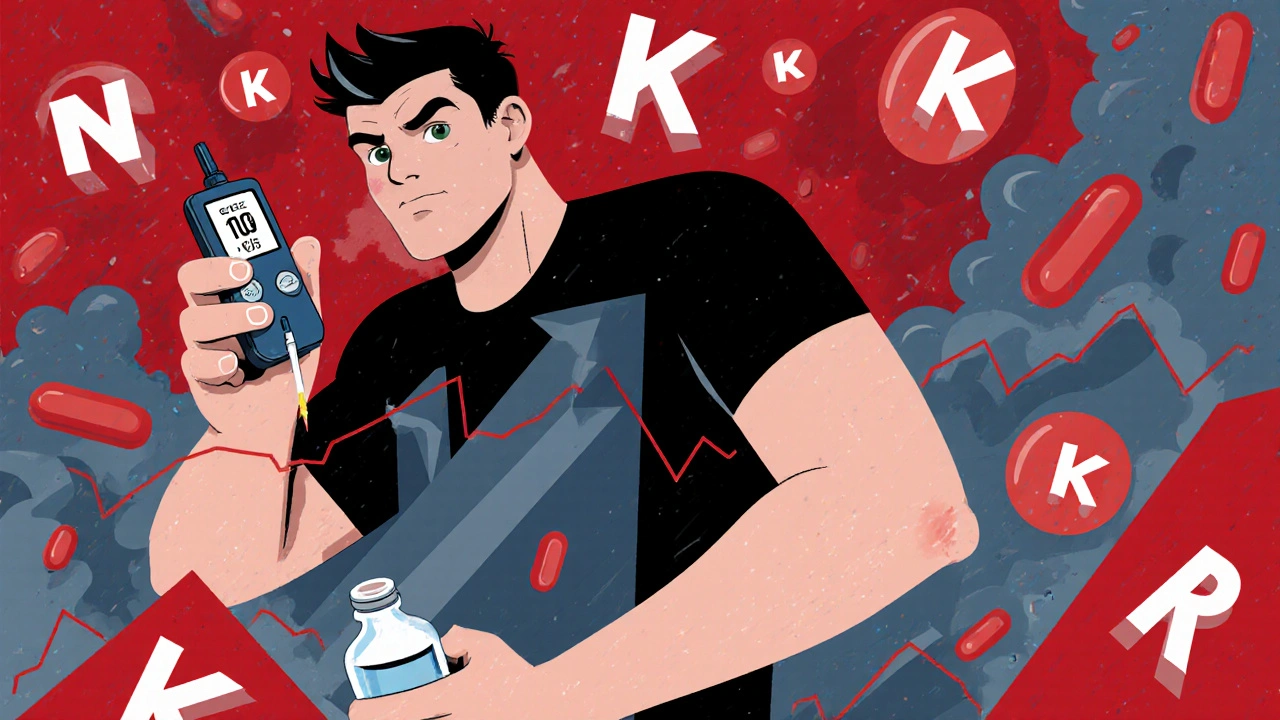
When you're sick, your body releases stress hormones that can send your blood sugar, the amount of glucose in your bloodstream, which must be kept within a safe range to prevent complications soaring—even if you're not eating. This isn't just about feeling worse; it's about avoiding real danger like diabetic ketoacidosis, a life-threatening condition where your body starts breaking down fat for energy, producing toxic acids called ketones. Many people with diabetes panic when they get a cold or flu, but the right plan turns chaos into control. You don’t need to be a medical expert—you just need clear, simple steps you can follow when you’re too tired to think straight.
Most people don’t realize that sick day rules, a set of pre-planned actions to follow when ill, designed to prevent blood sugar spikes and complications aren’t optional. They’re essential. Whether you have type 1 or type 2 diabetes, your body’s response to infection, fever, or even a bad sinus headache changes how your insulin works. You might need more insulin, even if you’re not eating. Or you might need to check your blood sugar every two hours instead of four. Skipping checks because you "feel fine" is how people end up in the ER. And it’s not just insulin—some over-the-counter cold meds can hide high blood sugar or make it worse. Always read labels. Avoid sugary syrups. Look for sugar-free versions of cough drops and throat sprays. Even decongestants can raise glucose. Your pharmacy can help you pick safe options.
And don’t forget about ketones. If your blood sugar stays above 240 mg/dL for more than a few hours, test your urine or blood for ketones. If they’re moderate to high, call your doctor. Don’t wait until you’re vomiting or breathing fast—that’s too late. You also need to stay hydrated. Water helps flush out extra sugar and ketones. Sip electrolyte drinks if you can’t keep food down, but avoid sports drinks full of sugar. If you’re on metformin and have a fever or vomiting, you might need to pause it temporarily to avoid rare but serious lactic acidosis. Always check with your provider first.
Having a written plan makes all the difference. Write down your sick day rules before you get sick: what your target blood sugar range is, how often to check, when to call your doctor, which meds to take or skip, and who to call in an emergency. Keep it on your fridge, in your phone, and in your wallet. Your doctor or diabetes educator can help you build it. This isn’t about being perfect—it’s about being prepared. You won’t always feel like doing it, but when you’re running a fever and your glucose is 380, you’ll be glad you did.
Below, you’ll find real-world advice from people who’ve been there—how to handle infections without crashing your numbers, what to do when your insulin pump fails, how to tell if your nausea is just a virus or something worse, and which over-the-counter choices actually work without making things worse. No fluff. Just what you need to stay safe when you’re sick.
Learn the essential sick day rules for diabetes: how to manage insulin, stay hydrated, and check ketones to prevent dangerous complications like DKA. Essential guidance for Type 1 and Type 2 diabetes during illness.
READ MORE