OTC Sleep Aids: What Works, What Doesn’t, and What to Avoid
When you can’t sleep, OTC sleep aids, over-the-counter medications and supplements sold without a prescription to help with insomnia. Also known as sleep aids, they’re often the first thing people reach for when they’re tired but wired. But not all of them are safe or effective—and many come with side effects you might not expect.
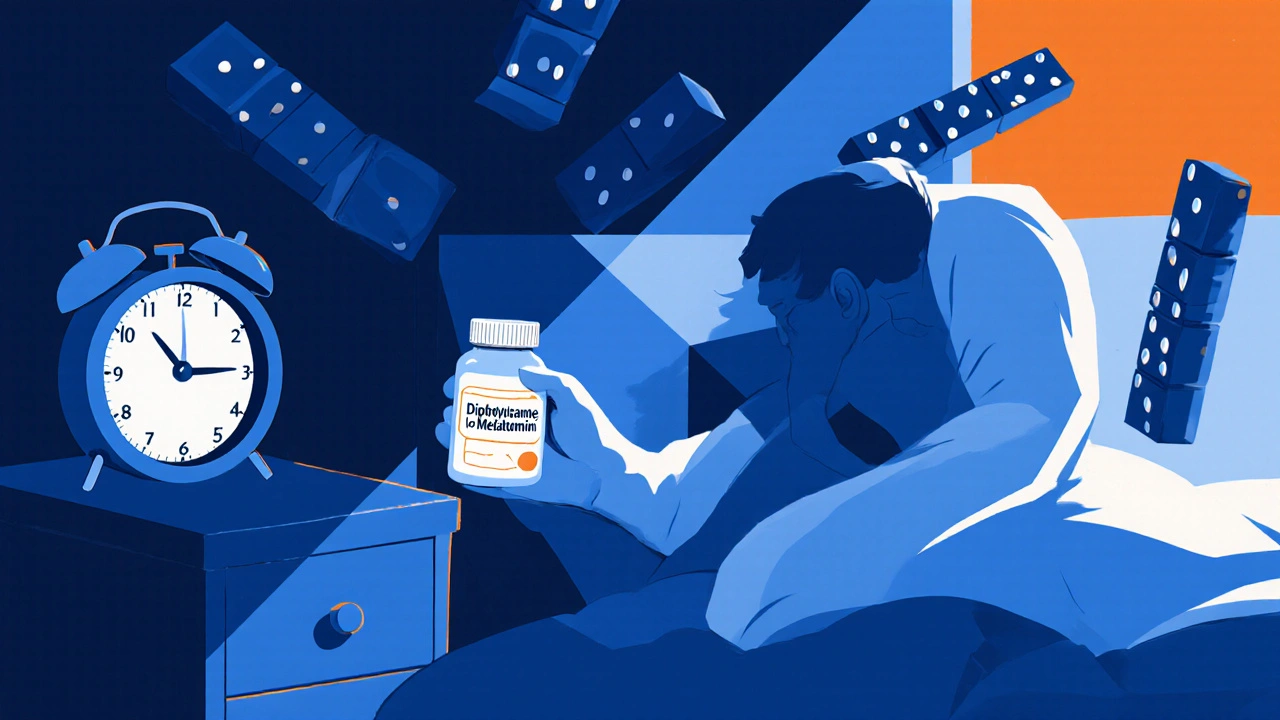
Two of the most common ingredients in these products are diphenhydramine, an antihistamine found in brands like Benadryl and ZzzQuil that causes drowsiness as a side effect and melatonin, a hormone your body naturally makes to regulate sleep-wake cycles, now sold as a supplement. Diphenhydramine can make you groggy the next day, dry out your mouth, and even raise your risk of confusion in older adults. Melatonin works better for jet lag or shift work than for chronic insomnia, and taking too much can throw off your natural rhythm even more.
Other supplements like valerian root, magnesium, and chamomile are popular, but studies on them are mixed. Some people swear by them. Others feel nothing. What’s missing from most labels? Clear dosing info, long-term safety data, and warnings about interactions. For example, if you’re on blood pressure meds or antidepressants, some OTC sleep aids can interfere in dangerous ways. And if you’re using them every night, you’re not fixing the root cause—you’re just masking it.
Chronic insomnia isn’t just about being tired. It’s often tied to stress, anxiety, sleep apnea, or even medications you’re already taking. That’s why some of the best advice isn’t in a bottle—it’s in habits: keeping a regular schedule, cutting screen time before bed, avoiding caffeine after noon. But if you’ve tried all that and still can’t sleep, knowing what’s in the OTC aisle can save you from wasting money or risking your health.
Below, you’ll find real comparisons of what works, what doesn’t, and what you should ask your doctor before trying another pill. Some posts dig into how common sleep aids interact with thyroid meds or antibiotics. Others break down why melatonin doesn’t help everyone—and what alternatives actually have data behind them. You won’t find fluff here. Just clear, practical info on what to try, what to skip, and when to walk away from the supplement shelf.
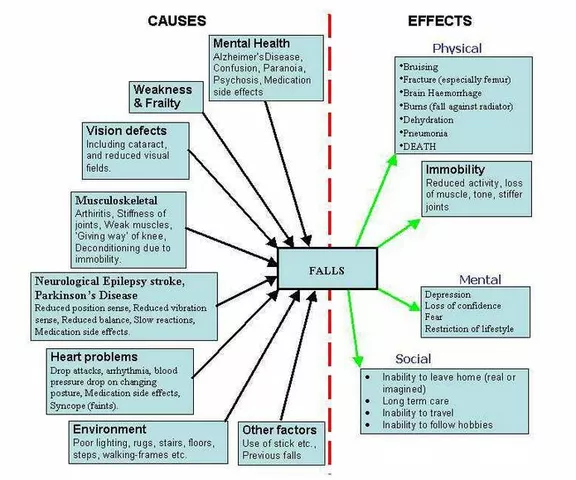
OTC sleep aids may help with occasional insomnia, but long-term use carries risks like dementia, falls, and rebound insomnia. Learn what's in them, who should avoid them, and what actually works better.
READ MORE