PAMORAs: What They Are, How They Work, and Why They Matter
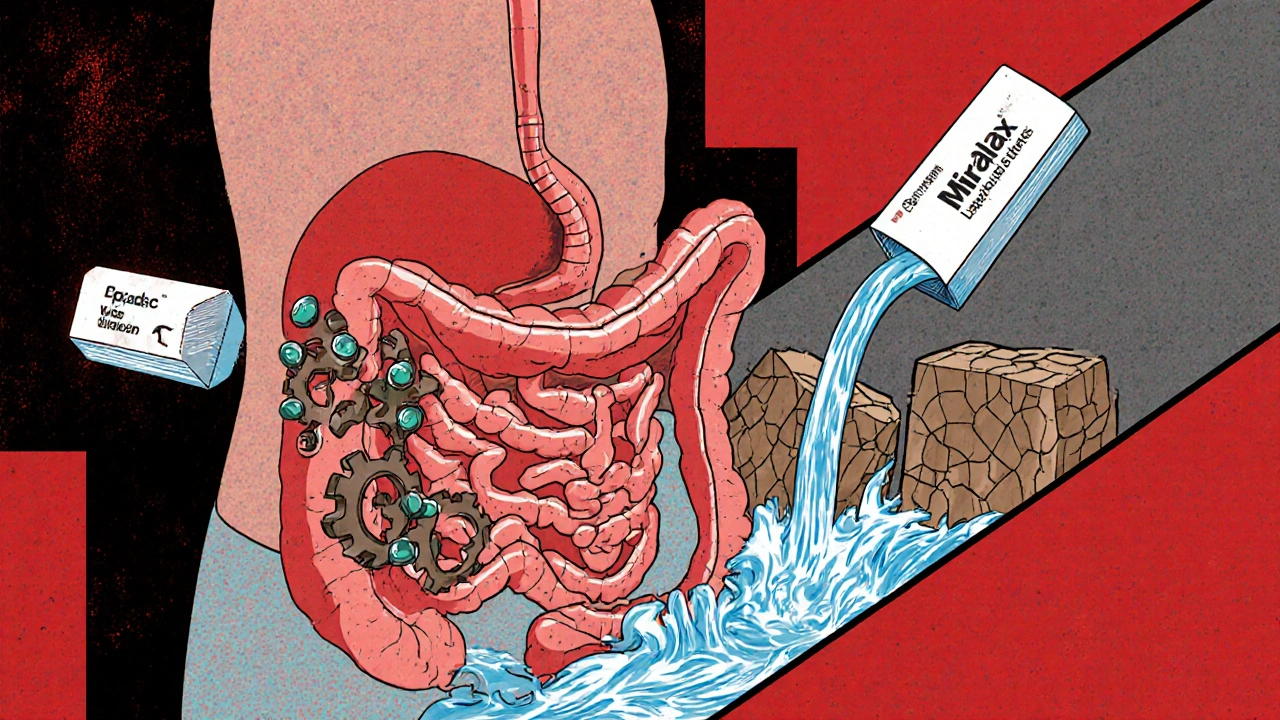
When you take opioids for pain, you’re not just affecting your brain—you’re slowing down your whole digestive system. That’s where PAMORAs, peripherally acting mu-opioid receptor antagonists that block opioid effects in the gut without touching pain relief in the brain. Also known as peripheral opioid antagonists, they’re designed to fix one of the most common and annoying side effects of long-term opioid use: severe constipation. Unlike naloxone, which can reverse pain relief entirely, PAMORAs stay in the gut. They don’t cross the blood-brain barrier, so your pain control stays intact while your bowels start working again.
PAMORAs aren’t just for people on high-dose opioids. Even low-dose, long-term users—like those managing chronic back pain or cancer-related discomfort—often struggle with opioid-induced bowel dysfunction. This isn’t just discomfort; it’s a real health risk. Constipation can lead to bowel obstruction, nausea, loss of appetite, and even hospitalization. Drugs like methylnaltrexone, naloxegol, and naldemedine are the main players here. Each works slightly differently, but they all target the same problem: opioid receptors in the intestinal wall. Studies show they can increase bowel movements by 50% or more in people who’ve tried laxatives and failed.
What makes PAMORAs different from regular laxatives? Laxatives push everything through—sometimes too hard, sometimes too late. PAMORAs fix the root cause. They don’t just stimulate contractions; they undo the opioid’s grip on your gut. That’s why they’re often prescribed when other treatments don’t cut it. They’re also used in hospitals and hospice care, where patients can’t afford to be stuck with no relief. And while they’re not cheap, many insurance plans cover them because the alternative—hospital visits for bowel blockages—is far more costly.
You’ll find posts here that dig into how PAMORAs compare to other gut-targeted treatments, what side effects to watch for, and how they interact with other meds like antibiotics or thyroid drugs. Some articles even look at how hormone changes or chronic conditions like diabetes can make opioid constipation worse. This isn’t theoretical—it’s daily life for millions. If you or someone you know is on opioids and stuck, this collection gives you real, practical answers—not guesswork.
Opioid-induced constipation affects 40-60% of patients on long-term pain meds. Learn how to prevent it with early laxative use and when to switch to prescription PAMORAs for real relief.
READ MORE