QTc Interval: What It Is, Why It Matters, and Which Drugs Can Affect It
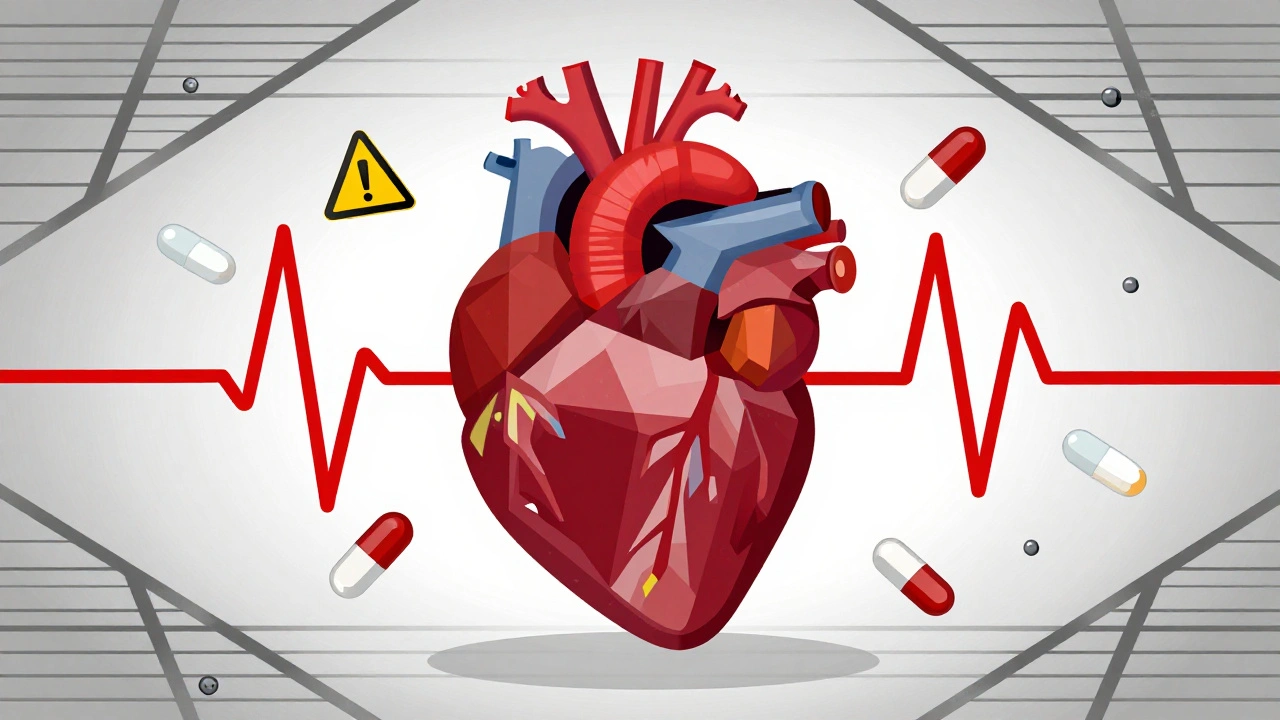
When your heart beats, it follows an electrical pattern—and the QTc interval, the corrected time it takes for the heart’s ventricles to recharge between beats. Also known as corrected QT interval, it’s measured on an ECG and tells doctors if your heart’s electrical system is running too slow or too fast. A normal QTc is under 450 ms for men and under 460 ms for women. Go beyond that, and you risk a life-threatening rhythm called Torsades de Pointes, a dangerous type of irregular heartbeat that can lead to sudden cardiac arrest. This isn’t theoretical—it’s why hospitals track this number closely when you’re on certain antibiotics, antipsychotics, or even some heart meds.
Some of the most common culprits? Fluoroquinolones, a class of antibiotics like ciprofloxacin and levofloxacin used for urinary and respiratory infections. And macrolides, like azithromycin and erythromycin, often prescribed for pneumonia or sinus infections. Both can delay the heart’s recovery phase, stretching the QTc. It’s not just the drug—it’s who’s taking it. Older adults, people with low potassium or magnesium, those with heart disease, or anyone on multiple meds that affect the same pathway are at higher risk. Even something as simple as skipping a meal or getting dehydrated can tip the balance.
That’s why ECG monitoring isn’t just a formality—it’s a safety net. If you’ve been prescribed one of these drugs and have a history of heart issues, your doctor should check your baseline QTc before starting. A simple, non-invasive test can catch trouble before it turns deadly. And if you’re already on a drug that prolongs the QTc, your provider might adjust your dose, switch you to a safer alternative, or check your electrolytes more often.
What you’ll find below are real-world guides from people who’ve been there—whether it’s understanding how to monitor your own QTc, spotting the red flags in your prescription, or learning which antibiotics to question if you’re on other heart meds. These aren’t theory pieces. They’re action-ready insights from patients and clinicians who’ve seen what happens when QTc is ignored—and how to prevent it.
QT prolongation is a silent heart rhythm risk caused by many common medications. Learn which drugs raise arrhythmia danger, who’s most at risk, and how to prevent sudden cardiac events with simple ECG checks and smart prescribing.
READ MORE