
Cost vs Benefit: When Expensive Medications Make Sense Despite Side Effects
Cost-Benefit Medication Assessment Tool
Assess Your Medication Tradeoffs
This tool helps you weigh the value of expensive medications by considering survival benefits, quality of life improvements, side effects, and financial impact.
Your Assessment Result
0Cost Impact
Side Effect Burden
Recommended Action:
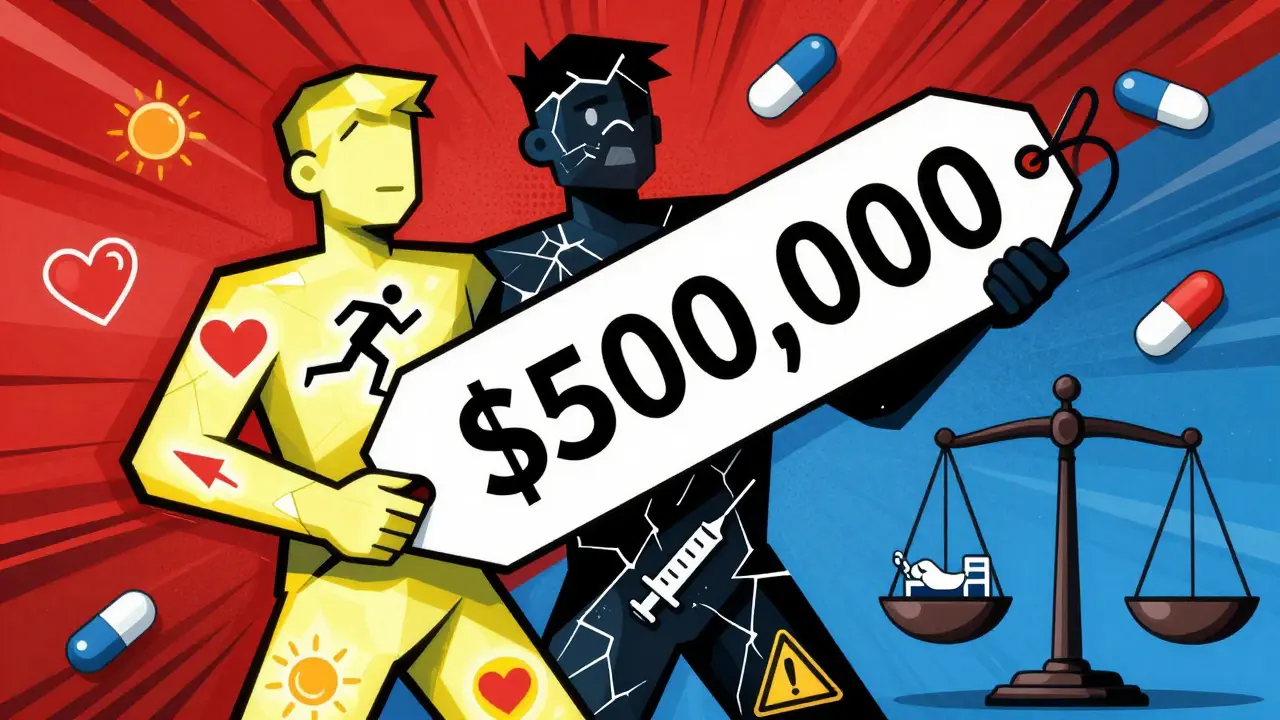
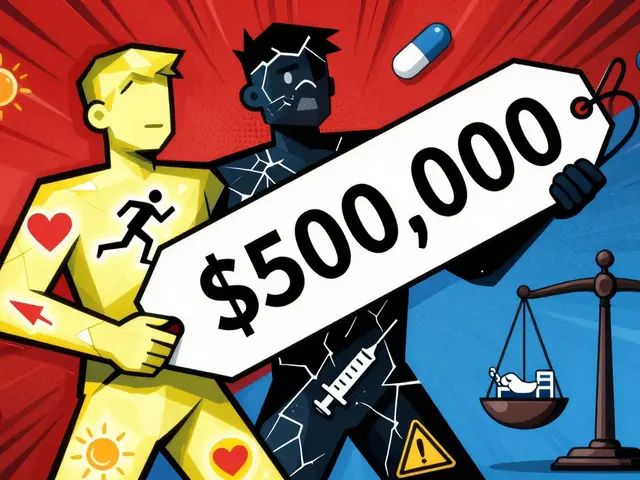
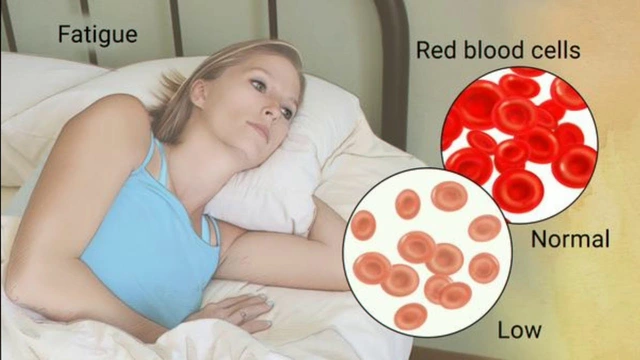
When a drug costs more than your car, you start asking: is this really worth it? For millions of Americans, that’s not a hypothetical question. Some medications - cancer therapies, gene treatments, rare disease drugs - can run $500,000 or more per year. And they often come with brutal side effects: fatigue so deep you can’t get out of bed, nausea that lasts for weeks, or immune reactions that land you in the hospital. So why do people take them? Why do doctors prescribe them? And when does the cost and suffering actually make sense?
It’s Not Just About Living Longer - It’s About Living Better
Most people assume expensive drugs are bought just to extend life. That’s part of it, but not the whole story. Take hepatitis C. Ten years ago, treatment meant weekly injections, months of flu-like symptoms, and a 50% cure rate. Today, a 12-week course of Harvoni costs around $28,000 out-of-pocket for some, but cures over 95% of patients. No more injections. No more vomiting every day. Just a pill. And for many, that’s worth every dollar. The same goes for rheumatoid arthritis. Before biologics like Humira or Enbrel, patients faced joint destruction, constant pain, and early disability. Now, many can return to work, play with their kids, sleep through the night. The side effects? Higher risk of infections. Maybe a rash. Maybe a mild fever. Compared to losing your hands to arthritis? That’s a trade-off people choose. This isn’t about greed. It’s about quality-adjusted life years - or QALYs. It’s a measure that doesn’t just count how long you live, but how well. A drug that adds two years of pain and bed rest isn’t the same as two years where you can walk, laugh, cook dinner. That’s what doctors and insurers are trying to measure - even if the numbers feel cold.Why Are These Drugs So Expensive?
You hear $500,000 for a single treatment and think: that’s insane. And it is - but the reason isn’t simple greed. Many of these drugs are made for tiny groups of people. A gene therapy for a rare childhood disorder might help only 100 people in the whole country. The company spent $2 billion developing it, and now they have to recover that cost from 100 patients. That’s $20 million per person before you even get to manufacturing, storage, or doctor fees. Then there’s the cancer drugs. The FDA approved 50 new cancer treatments between 2017 and 2018. Half of them offered barely any improvement over older, cheaper options. But they still sold for $150,000 a year. Why? Because there’s no real price control in the U.S. Unlike in Germany or France, where health agencies review whether a drug is worth its cost before approving it, American insurers often have to pay whatever the manufacturer sets. And here’s the twist: the list price isn’t the real price. Drugmakers give huge rebates to insurance companies - so much so that the actual cost to the system might be 40% lower. But patients still pay based on the high list price, especially if they’re in Medicare’s “donut hole.” That’s why someone might pay $6,000 a year for a drug that actually costs the system $3,500. The system is broken, and patients pay the price.When Side Effects Are the Price of Hope
CAR-T therapy for leukemia is one of the most extreme examples. It costs $475,000. You get your own immune cells pulled out, genetically altered, and pumped back in. Then you wait. And you might get cytokine release syndrome - a storm of inflammation that can spike your fever to 105°F, crash your blood pressure, and require ICU care. Some patients don’t survive the process. But for those who do? A 78% chance of complete remission after all other options failed. One patient on an ASCO forum said, “I was dying. I chose this because I didn’t want my daughter to grow up without a dad.” That’s not a rational calculation. It’s human. The same goes for hemophilia. A monthly shot of emicizumab costs $15,000. But before this drug, patients bled into their joints constantly. Many ended up in wheelchairs by 30. Now, they run, hike, play basketball. The side effect? A small risk of blood clots. For many, that’s a fair swap. The side effects aren’t the deal-breaker. It’s whether the alternative is worse. If your only other option is chronic pain, frequent hospital visits, or early death - then the side effects of the expensive drug start to look manageable.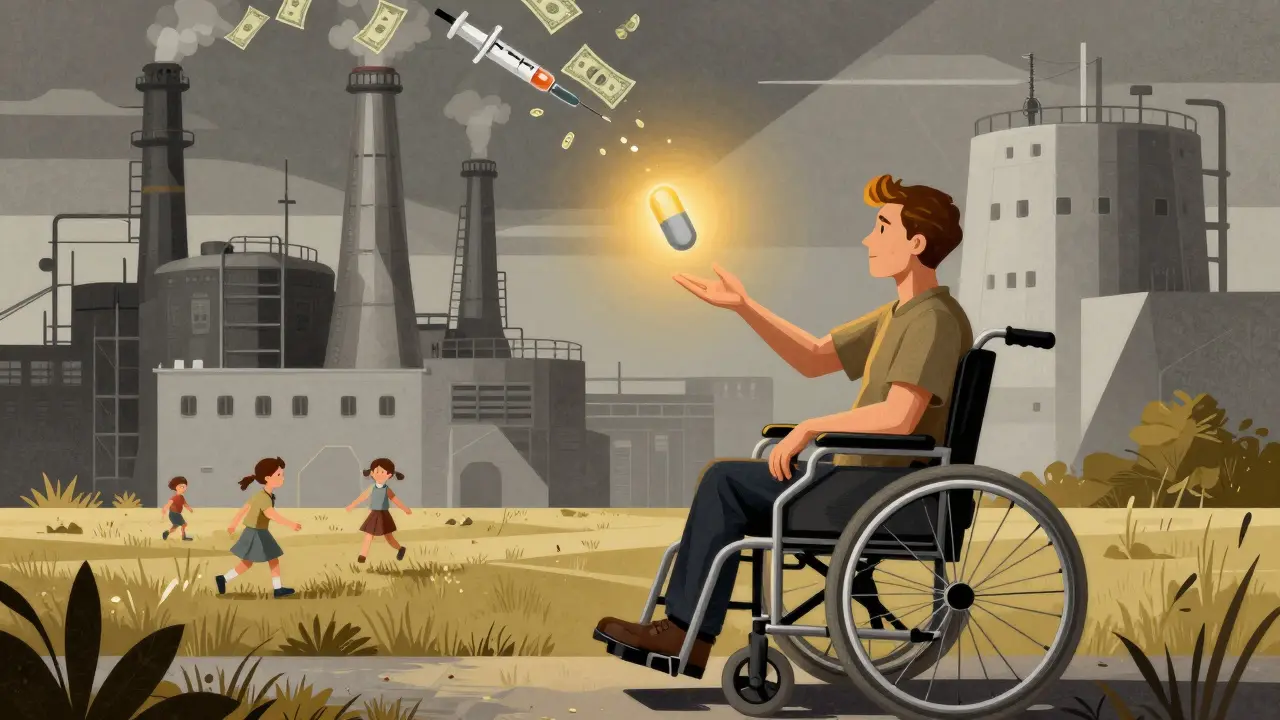
Who Gets Left Behind?
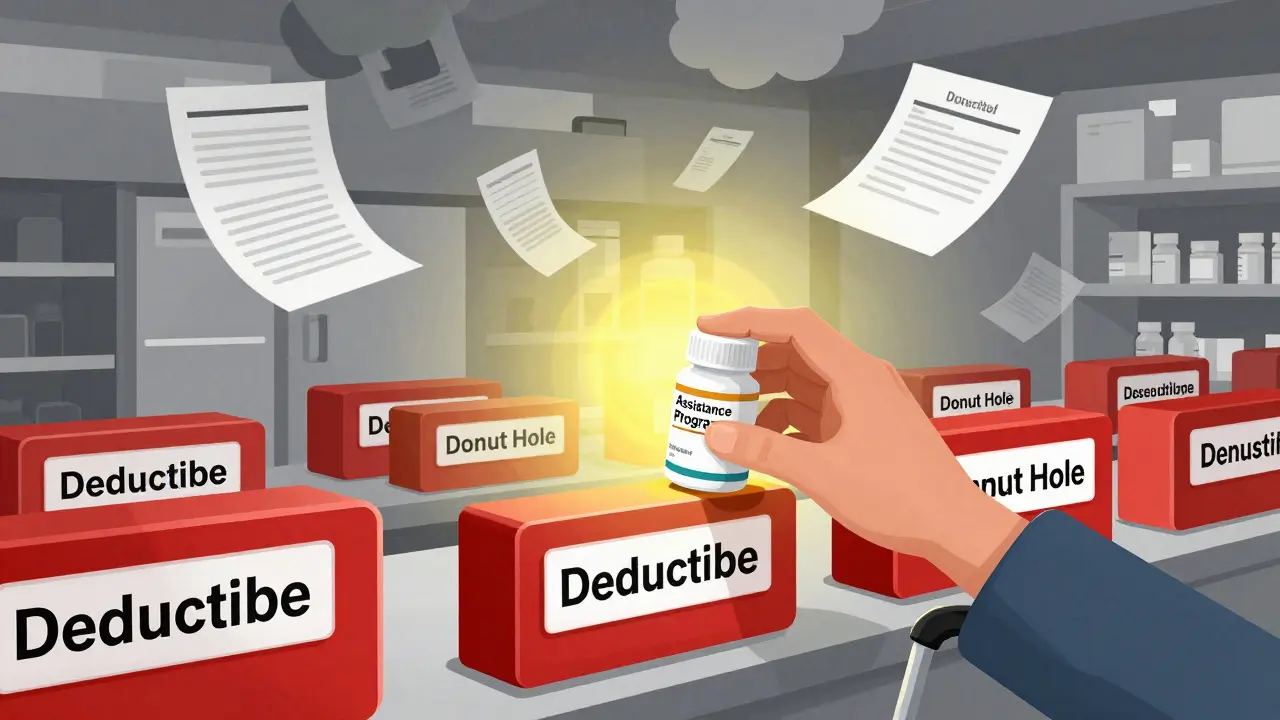
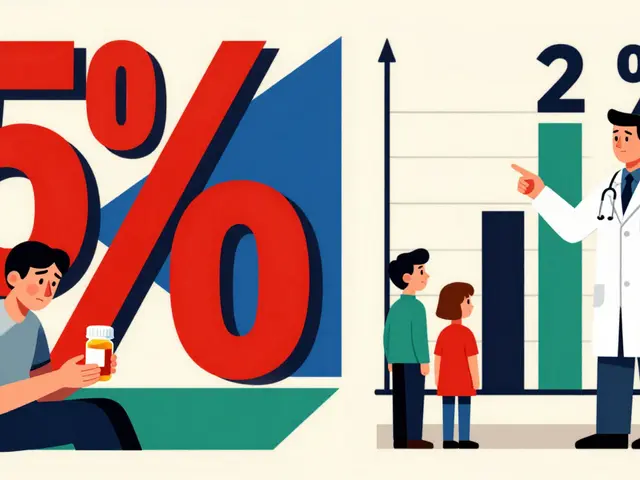
Here’s the ugly truth: not everyone can afford to make this choice. In 2022, 68% of patients taking drugs over $10,000 a month skipped doses because they couldn’t pay. 42% chose between medicine and food. That’s not a trade-off - that’s a trap. Medicare beneficiaries without low-income subsidies paid 2.5 times more out-of-pocket than privately insured people for the same drugs. A patient on Revlimid in 2016 paid $11,538 out-of-pocket - and most of that came after they hit the “catastrophic” coverage phase, where they were still on the hook for 5% of the cost. That’s $5,000 a year just to stay alive. Meanwhile, manufacturer assistance programs help some - covering 40% of costs on average - but they’re not automatic. You need to apply. You need paperwork. You need a case manager who knows how to navigate the system. And not everyone has that support. The system isn’t designed for fairness. It’s designed for profit. And when you’re sick, you’re not negotiating. You’re desperate.What Can You Do If You’re Facing a High-Cost Drug?
If you’re staring at a $100,000-a-year prescription, here’s what actually works:- Ask for the patient assistance program - every major drugmaker has one. Call the number on the box. Don’t assume you make too much. Many programs cover people up to 500% of the federal poverty level.
- Use a specialty pharmacy - they don’t just ship your meds. They have case managers who fight with your insurer for prior authorizations and appeals. They know the tricks.
- Check nonprofit foundations - the Chronic Disease Fund, Patient Access Network, and HealthWell Foundation gave over $2 billion in help in 2022. You don’t need to be poor to qualify.
- Ask your doctor for alternatives - not every expensive drug is the only option. Sometimes a slightly older, cheaper drug works almost as well with fewer side effects.
- Know your Medicare Part D phases - the donut hole isn’t a myth. Learn when you hit it. Use tools like Medicare’s Plan Finder to compare costs across plans.
The Bigger Picture: Is This Sustainable?
The U.S. spends more on prescription drugs than any other country - and gets less value for it. In Europe, 56% of the most expensive drugs were rated as having low or no added benefit. In the U.S., they’re just covered. The Inflation Reduction Act started drug price negotiations in 2024 - but only for 10 drugs, and only if they’re over 12 years old. Most of the ultra-expensive drugs - the ones with the biggest side effects and highest costs - are still off-limits. Experts agree: we need a system that ties price to actual benefit. Not just innovation. Not just rarity. Real, measurable improvement in how people live. Right now, we’re paying for hope. And sometimes, hope costs too much.Final Thought: It’s Not About the Price - It’s About the Choice
No one wakes up and says, “I want to spend half my savings on a drug that makes me sick.” But when your options are: die slowly, or risk a bad reaction to save your life - you don’t choose the cheap one. You choose the one that gives you back your days. The real question isn’t whether these drugs are worth it. It’s whether society should let people make that choice alone - with no safety net, no price control, and no guarantee they’ll be able to afford it.Are expensive drugs always worth the side effects?
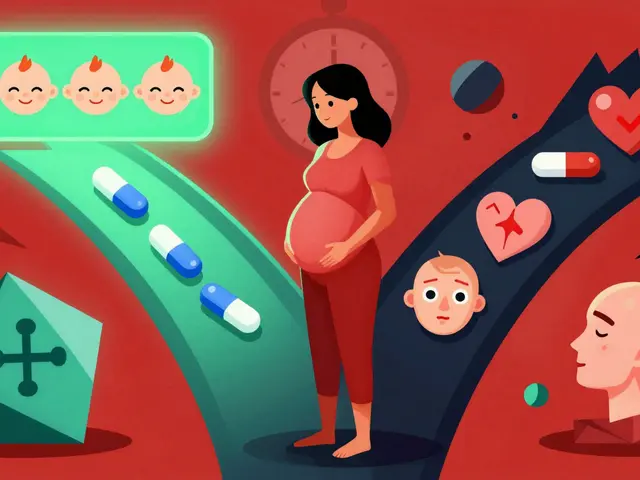
No - not always. Many expensive drugs offer only marginal benefits over cheaper alternatives. But for some patients - especially those with rare diseases, advanced cancer, or conditions that leave them disabled - the side effects are a fair trade for regaining function, reducing pain, or extending life with quality. The key is comparing the drug’s actual benefit against the alternatives, not just the cost.
Why do some drugs cost more than others with similar results?
Drug pricing in the U.S. isn’t based on effectiveness - it’s based on what the market will bear. Companies set high prices because there’s no federal limit. Even if two drugs cure the same disease at similar rates, the newer one can cost 10 times more simply because it’s branded and patented. Older, generic versions often work just as well for far less.
Can I get financial help for a $100,000-a-year drug?
Yes. Most drugmakers offer patient assistance programs that can cover 50-100% of costs. Nonprofits like the Patient Access Network Foundation and the Chronic Disease Fund also provide grants. Specialty pharmacies often have case managers who help you apply. Don’t assume you’re ineligible - many programs help people earning up to $100,000 a year.
Do side effects always mean the drug isn’t working?
No. Side effects are separate from effectiveness. A drug can be highly effective - curing cancer or stopping joint damage - while still causing nausea, fatigue, or infections. The goal is to weigh whether the benefit outweighs the burden. Many patients tolerate serious side effects because their condition was far worse before treatment.
Why doesn’t Medicare negotiate prices for all expensive drugs?
The Inflation Reduction Act only allows Medicare to negotiate for 10 drugs per year, and only if they’re at least 12 years old and have no generic competitors. Most ultra-expensive drugs - like gene therapies or new biologics - are too new or protected by patents. That means 96% of the most expensive drugs are still off-limits for negotiation, leaving patients to pay full price.
Next Steps: What to Do Right Now
If you’re considering an expensive medication:- Ask your doctor: “Is there a cheaper alternative with similar results?”
- Call the drug manufacturer’s patient support line - ask for the assistance program.
- Visit PatientAssistance.com or NeedyMeds.org to search for nonprofit aid.
- Ask your pharmacy for a specialty pharmacy referral - they handle prior authorizations and appeals.
- Review your Medicare Part D plan during open enrollment - switching plans can save thousands.



My mom took one of those gene therapies last year. She was in and out of the hospital for weeks, couldn’t eat for a month, and still had to sleep upright. But she walked into her granddaughter’s graduation last spring. That’s the kind of thing you don’t trade away for a lower bill.
It’s not about the price. It’s about what you’re willing to suffer to be there.
In India, we don’t even have access to these drugs unless we pay out of pocket or travel abroad. I know a man who sold his land to get his daughter treated for spinal muscular atrophy. He didn’t care about the side effects-he cared that she could hold a spoon again. The real tragedy isn’t the cost-it’s that only the wealthy get to choose whether the suffering is worth it.
Here, we don’t debate QALYs. We just pray someone, somewhere, will help us afford the next dose.
Stop pretending this is about healthcare. This is corporate greed wrapped in emotional manipulation. These drugs are expensive because the system lets them be. If you’re okay with paying $500K for a pill that makes you vomit for weeks, you’re part of the problem. The solution isn’t charity-it’s price caps, transparency, and holding pharmaceutical CEOs accountable. We’re not asking for miracles-we’re asking for basic fairness.
And stop telling people to ‘ask for help.’ That’s not a system. That’s a Band-Aid on a severed artery.
It is imperative to recognize that the current pharmaceutical pricing model in the United States operates without sufficient regulatory oversight, thereby creating significant disparities in patient access. The notion that patient assistance programs serve as a viable substitute for systemic reform is both misleading and ethically untenable.
While individual compassion is commendable, structural change-through legislation, price negotiation, and equitable distribution-is not merely desirable; it is a moral imperative. To frame this as a personal choice is to absolve institutions of their responsibility to protect human dignity.
Why do Americans let this happen? In every other developed country, they negotiate prices. In the U.S., we’re told to ‘be grateful’ for any treatment at all. This isn’t capitalism. This is exploitation disguised as innovation. The drug companies aren’t saving lives-they’re milking desperation. And we let them. We’re not victims. We’re accomplices.
I had to choose between my insulin and my rent last year. I took the insulin. I didn’t cry about it. I just did it. People talk about QALYs like it’s a math problem. It’s not. It’s a life. And sometimes, you just take the pill and hope the side effects don’t kill you before the disease does.
Big Pharma owns Congress. They paid off the politicians. That’s why the prices are insane. They don’t care if you die. They care if you keep paying. And the media keeps telling you to ‘be thankful’ for the treatment while they rake in billions. Wake up. This is a scam. They’re selling hope so they can steal your future.
It is, indeed, a profound and deeply troubling reality that the United States, as the world’s largest economy, continues to permit pharmaceutical corporations to engage in predatory pricing practices, particularly with life-sustaining medications, while simultaneously failing to implement a universal, equitable, and publicly accountable healthcare infrastructure. The moral bankruptcy of this system cannot be overstated.
Moreover, the reliance upon charitable patient assistance programs-rather than systemic reform-constitutes a de facto privatization of social welfare, wherein the burden of survival is placed upon the individual, the family, and the nonprofit sector, rather than the state. This is not healthcare. This is a dystopian auction.
Why do people even bother with these drugs? I’ve seen people on these treatments look worse than when they were sick. They’re pale, shaking, barely coherent. And they’re still paying $100K a year? If I were dying, I’d take the $100K and go to Bali. Spend it on good food, good wine, and good memories. At least I’d die happy.
Maybe the real side effect is believing this is worth it.
Everyone’s acting like these drugs are magic. But 60% of them barely outperform placebos. The FDA approves them because the companies bribe the reviewers. The doctors prescribe them because they get kickbacks. The patients take them because they’re terrified. And the system? It just keeps printing money.
Let’s be honest: most of these treatments are just expensive placebo therapy with extra side effects. The real miracle? How many people still believe the hype.
There’s something almost poetic about the grotesque spectacle of modern medicine: we’ve engineered the ability to prolong life, yet we’ve forgotten how to value it. The $500,000 drug isn’t a treatment-it’s a performance of capital, a ritual of suffering dressed in white coats and clinical trials.
We’ve turned mortality into a marketplace where the soul is auctioned off in monthly installments. And the most tragic part? We’ve all become willing participants, nodding solemnly as the invoice arrives, whispering ‘it’s worth it’-not because we believe it, but because we’re too afraid to admit we’ve been sold a myth.
They’re not even trying to hide it anymore. The drug companies know we’re desperate. So they raise the price every year. Then they say ‘oh, we have a discount program!’-but only if you fill out 17 forms, wait 6 weeks, and prove you’re poor enough. Meanwhile, the CEO just bought a private island.
I heard a woman on the phone yesterday crying because she had to choose between her medicine and her daughter’s birthday party. And we call this a healthcare system? This isn’t capitalism. This is torture with a receipt.