

Risks Associated with Any Medication or Dietary Supplement
People often assume that if something is natural, it’s safe. That’s one of the biggest myths in health today. A bottle of herbal pills from the grocery store or a vitamin you picked up online isn’t harmless just because it doesn’t come with a prescription. The truth is, medication and dietary supplements can both cause serious harm - sometimes even when used exactly as directed.
Every year in the U.S., about 23,000 people end up in the emergency room because of dietary supplements. That’s more than the number of ER visits caused by over-the-counter painkillers like ibuprofen. And it’s not just supplements. Prescription and over-the-counter drugs carry their own risks, especially when they mix with other substances. The problem isn’t just dosage - it’s what happens when these substances interact with each other.
Supplements Aren’t Regulated Like Drugs
The U.S. Food and Drug Administration (FDA) treats supplements differently than medications. Medications must prove they’re safe and effective before they hit the market. Supplements? Not so much. Under the Dietary Supplement Health and Education Act (DSHEA) of 1994, manufacturers don’t need FDA approval before selling their products. They only have to prove a supplement is unsafe after people get hurt. That’s like letting a car roll off the assembly line without brakes, then waiting for crashes to happen before fixing it.
This gap in oversight means dangerous products slip through. In 2022, the FDA received over 5,000 reports of adverse events linked to supplements. But experts believe that’s only a fraction of the real number - studies suggest fewer than 1% of incidents get reported. The FDA has only banned 12 supplement ingredients since 1994. Meanwhile, there are more than 85,000 supplement products on the market.
How Supplements Interfere With Medications
Many people don’t realize that supplements can act like drugs inside your body. They can change how your liver breaks down medications, alter how your blood clots, or even mimic the effects of prescription drugs. These interactions aren’t rare - they’re common.
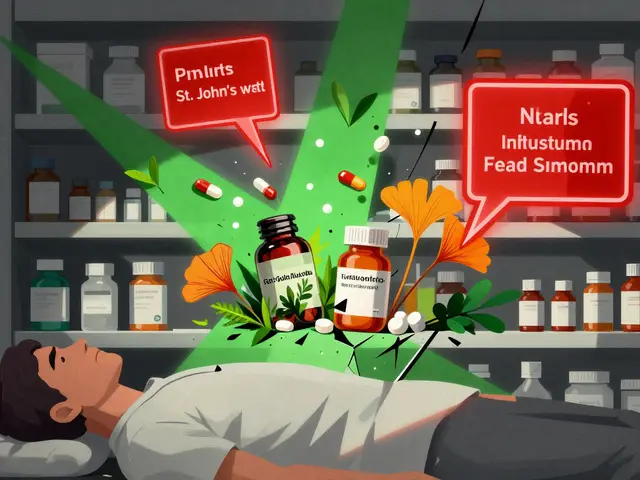
- St. John’s wort, often taken for mood support, can drop the effectiveness of birth control pills by 13-15%. It also cuts blood levels of cyclosporine (used after organ transplants) by half. That can lead to organ rejection.
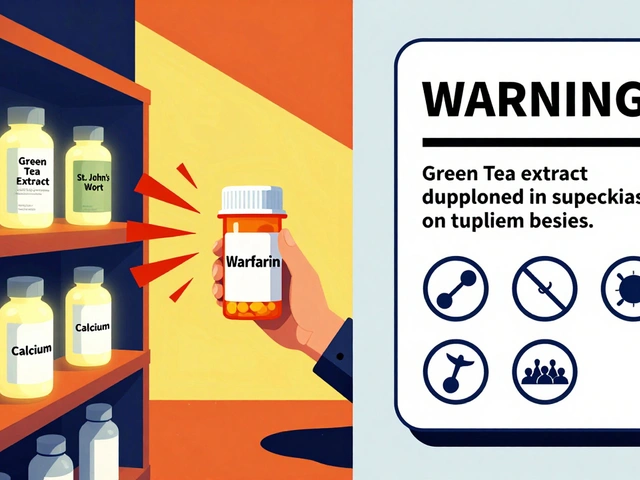
- Goldenseal and ginkgo biloba interfere with blood thinners like warfarin. People taking these combinations have reported uncontrolled bleeding, even from minor cuts or bruises.
- Garlic and fish oil can increase bleeding time by 20-30% when taken with aspirin or clopidogrel. One 68-year-old woman was hospitalized after combining ginkgo with daily aspirin - she started bleeding internally.
- Vitamin K can reduce warfarin’s effect by 40-50%. That means someone on blood thinners might think they’re protected from clots - but they’re not.
Even something as simple as a multivitamin can be risky. A 2015 study in the New England Journal of Medicine found that antioxidant supplements like vitamins C and E can reduce chemotherapy effectiveness by 25-30% in certain cancers. One cancer patient reported her radiation oncologist made her stop all supplements after her skin blistered during treatment - a reaction linked to vitamin E.
High-Dose Vitamins Can Be Toxic
Vitamins aren’t just harmless nutrients. At high doses, they become poisons.
- Vitamin A: Chronic intake above 10,000 IU per day can cause liver damage, vision loss, and severe headaches. Acute overdose (over 300,000 IU) can lead to vomiting, dizziness, and even coma.
- Vitamin D: Too much causes calcium to build up in your blood. Symptoms include thirst, frequent urination, nausea, and kidney stones. High monthly doses (over 300,000 IU) increase fall and fracture risk in older adults by 15-20%.
- Vitamin E: Doses over 400 IU per day raise the risk of hemorrhagic stroke by about 10%. That’s why the Australian Prescriber advises against long-term high-dose use.
- Green tea extract: This popular supplement has been linked to over 20% of all supplement-related liver injuries reported to the Drug-Induced Liver Injury Network (DILIN). It can cause jaundice, abdominal pain, and liver failure.
These aren’t edge cases. They’re documented medical events. In 2023, the FDA added green tea extract and bitter orange to its Dietary Supplement Ingredient Advisory List - a warning sign that these aren’t isolated incidents.
What You Might Not Know About Herbal Products
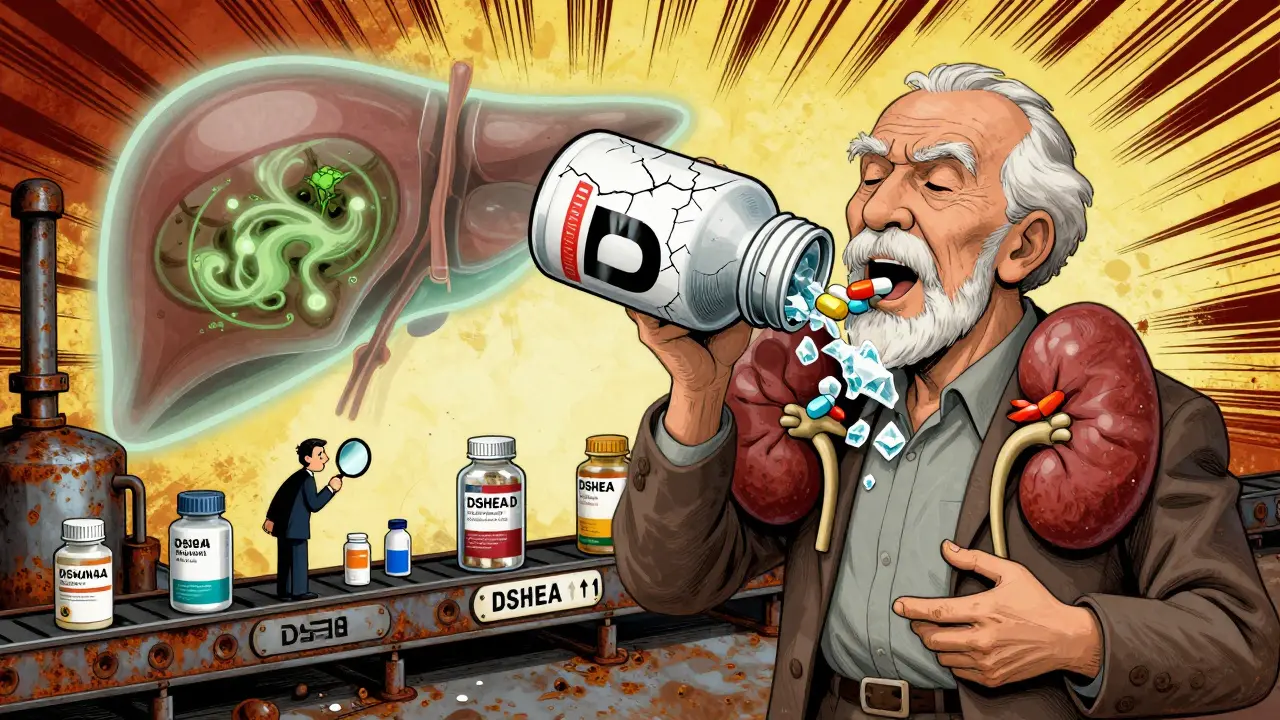
Herbs aren’t gentle. Many contain potent chemicals that affect your body in ways you can’t predict. St. John’s wort, for example, isn’t just a mild mood booster - it’s a powerful enzyme inducer. It speeds up how fast your body breaks down over 50 different medications, including antidepressants, HIV drugs, and chemotherapy agents.
Another hidden danger? Many herbal supplements contain unlisted ingredients. A 2021 FDA investigation found that 25% of weight-loss supplements contained hidden stimulants like synephrine or ephedra-like compounds. These can spike blood pressure, trigger heart palpitations, or even cause strokes. One Reddit user reported severe insomnia and racing heart after taking ashwagandha with blood pressure medication - a reaction later confirmed by their doctor as a known interaction.
Herbal products make up only 19% of the supplement market, but they account for 38% of all adverse event reports. Why? Because they’re complex. A single pill might contain dozens of plant compounds, each with its own biological effect. And manufacturers aren’t required to list them all.
Who’s at Highest Risk?
Not everyone is equally vulnerable. Certain groups face much higher danger:
- Older adults: They’re more likely to take multiple medications and supplements. Their bodies also process drugs slower, increasing the chance of buildup and toxicity.
- Cancer patients: Chemotherapy and radiation are finely tuned treatments. Supplements can interfere with their effectiveness or worsen side effects. The American Cancer Society recommends avoiding all supplements during treatment unless approved by an oncologist.
- People with liver or kidney disease: These organs filter out toxins. If they’re already damaged, even small amounts of supplement ingredients can overwhelm the system.
- Those on blood thinners, antidepressants, or immunosuppressants: These drugs have narrow safety margins. A small change in how they’re metabolized can be life-threatening.
And here’s the kicker: 50% of American adults take supplements. But only 33% tell their doctor about it. That means nearly two out of three people are taking something that could interfere with their meds - without their doctor even knowing.
How to Protect Yourself
There’s no magic formula to make supplements safe. But there are clear steps you can take:
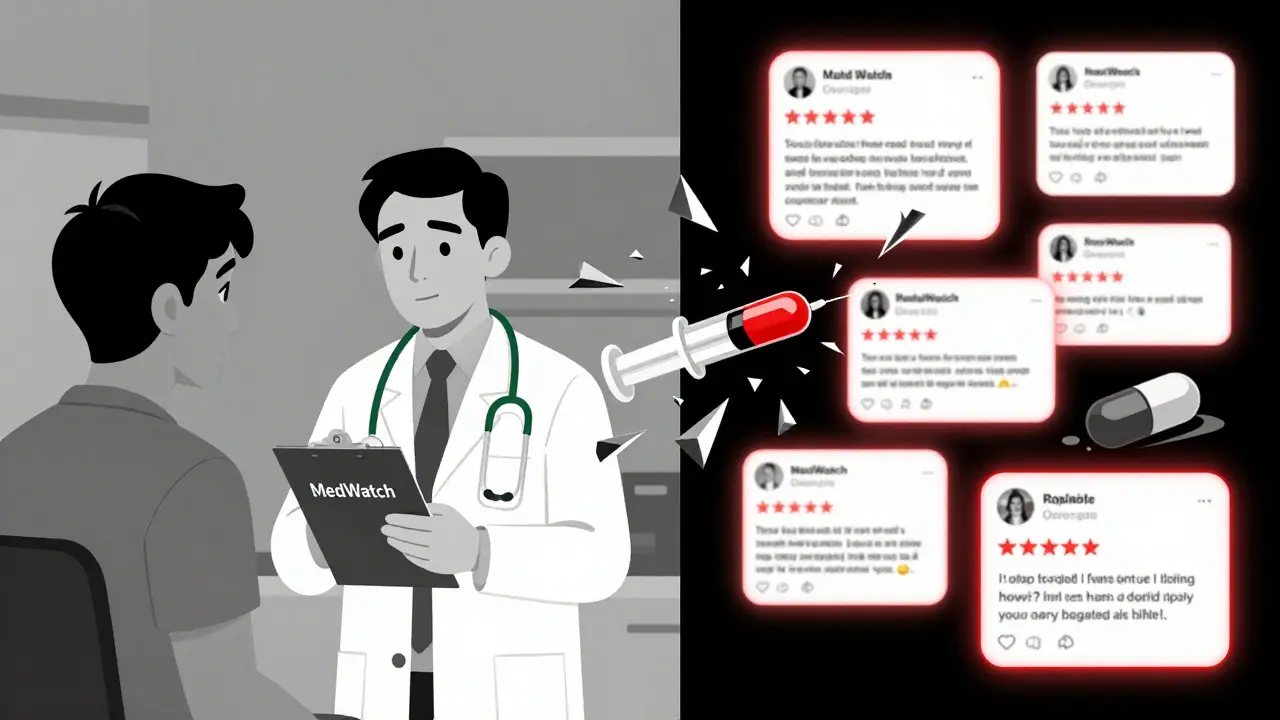
- Always tell your doctor - every time you visit. Don’t assume they’ll ask. Bring a list of everything you take, including teas, powders, and topical creams.
- Use the NIH’s My Dietary Supplement and Medicine Record tool. It’s free, easy to use, and adopted by over 1,200 clinics. It helps you track doses and flag potential conflicts.
- Avoid supplements during cancer treatment unless your oncologist says it’s safe. The risk of interference isn’t worth it.
- Be skeptical of online reviews. A product with 5,000 five-star reviews doesn’t mean it’s safe. Many users don’t report side effects.
- Check for third-party testing. Look for seals from USP, NSF, or ConsumerLab. These organizations test for contamination and accurate labeling.
- Stop immediately if you feel strange. Unexplained bruising, nausea, dizziness, or irregular heartbeat could be signs of a dangerous interaction.
If you think you’ve had a bad reaction, report it to the FDA through MedWatch Online. In 2022, they received over 18,000 supplement-related reports. Every report helps them track patterns and eventually act.
The Bigger Picture
The supplement industry made $52.2 billion in the U.S. in 2022. That’s more than the entire pharmaceutical market for antibiotics. But with that growth comes growing risk. The FDA’s current system relies on voluntary reporting - meaning most harm goes unseen until someone ends up in the ER.
There are signs of change. A 2022 National Academy of Medicine report called current regulations “inadequate.” The FDA is now testing AI tools to scan social media for early warning signs of adverse events. In pilot testing, their system caught 87% of potential safety signals from over a million posts.
But until laws change, the burden is on you. You can’t assume safety. You can’t rely on labels. You can’t trust marketing claims. The only reliable way to avoid harm is to know what you’re taking - and to talk to your doctor about it.
Can dietary supplements be as dangerous as prescription drugs?
Yes. Some supplements contain active ingredients that affect your body like drugs - and they can interact dangerously with medications. St. John’s wort, for example, can reduce the effectiveness of birth control pills and chemotherapy drugs. High doses of vitamins like A, D, and E can cause organ damage. The FDA receives thousands of reports each year of serious harm from supplements, including liver failure, internal bleeding, and heart attacks.
Why doesn’t the FDA ban dangerous supplements faster?
Under current law (DSHEA), the FDA can’t act until a supplement is proven unsafe after it’s on the market. Manufacturers don’t need approval before selling. The agency must gather enough evidence of harm - often from multiple reports - before taking action. This process can take years. Since 1994, the FDA has only banned 12 supplement ingredients out of more than 85,000 products.
Do natural supplements mean they’re safe?
No. “Natural” doesn’t mean safe. Many dangerous substances come from nature - arsenic, belladonna, and poison ivy are all natural. Supplements like ephedra, bitter orange, and yohimbe are plant-based but can raise blood pressure, trigger heart rhythms, or cause strokes. The source doesn’t determine safety - the dose and interaction do.
Should I stop taking supplements before surgery?
Yes. Many supplements - including ginkgo, garlic, fish oil, and vitamin E - can increase bleeding during surgery. Others, like St. John’s wort, can interfere with anesthesia. Most surgeons recommend stopping all supplements at least two weeks before any procedure. Always tell your anesthesiologist what you’re taking.
How do I know if a supplement is contaminated?
Look for third-party testing seals like USP, NSF, or ConsumerLab. These organizations test for heavy metals, pesticides, and unlisted ingredients. A 2021 FDA study found 25% of weight-loss supplements contained hidden stimulants. Without testing, you can’t know what’s really in the bottle.
What should I do if I think a supplement made me sick?
Stop taking it immediately. See your doctor. Then report the incident to the FDA through MedWatch Online. Your report helps the agency identify patterns and take action. In 2022, over 18,000 supplement-related reports were filed - and each one matters.
Medications and supplements aren’t just tools - they’re chemicals with real effects on your body. Ignoring their risks doesn’t make them disappear. It just makes you more vulnerable. Knowledge isn’t just power - it’s protection.

I took that 'natural' turmeric supplement for my knee pain and ended up in the ER with a bleeding ulcer. No one warned me. My doctor said it was like mixing aspirin with dynamite. I'm lucky I didn't die. Don't trust labels. Ever.
This whole thing is a scam. The FDA is corrupt. Big Pharma owns them. Supplements are safer than prescription drugs and they know it. They just want to control what you take.
I love how this post breaks it down. I started tracking everything I take using the NIH tool after my mom had a bad reaction to ginkgo and warfarin. It changed everything. I finally feel like I'm in control of my health instead of guessing.
The regulatory framework established under DSHEA is fundamentally flawed and represents a catastrophic failure of public health governance. The absence of premarket verification creates an unacceptably high probability of iatrogenic harm. This is not merely negligence; it is systemic malfeasance.
They don't want you to know that 80% of supplements are laced with synthetic stimulants. The FDA knows. The FDA is hiding it. I've seen the leaked documents. The FDA's AI system is already flagging 87% of social media reports - they're covering it up. Wake up. This is a chemical warfare op against the public.
You people are idiots. You think 'natural' means safe? You're one vitamin away from a stroke. I've seen people kill themselves with 'wellness' products. You don't read the science. You believe influencers. You deserve what you get.
I take fish oil and garlic because I'm healthy. I don't need to tell my doctor. I'm not some sick person. Stop scaring people.
Thank you for this comprehensive overview. As a healthcare professional in India, I see too many patients who believe herbal remedies are harmless. The lack of awareness is alarming. I now routinely ask about supplements during every consultation.
I used to be the person who took 12 supplements a day. Then I had a panic attack after combining ashwagandha with my anxiety med. My doctor said it was like pouring gasoline on a fire. I stopped everything. I don't feel 'normal' anymore - I feel alive. I wish I'd known sooner.
I just started taking vit d cause my doc said I was low. Now I read this and I'm like... did I just poison myself? I took 5000iu a day. I'm gonna stop and get my blood checked. Thanks for the scare lol
This is exactly why we need mandatory reporting from supplement manufacturers. We have the technology. We have the data. We just lack the political will. If your child was in the ER from a supplement, would you want them to be just another statistic?
I'm not scared of supplements. I'm scared of people who scare people. I take a multivitamin and probiotic. I feel good. If something's wrong, I'll stop. Simple.
The data presented is statistically significant and methodologically sound. The FDA's passive regulatory posture is indefensible. The burden of proof must be shifted from post-harm surveillance to pre-market validation. The current paradigm is ethically untenable.