
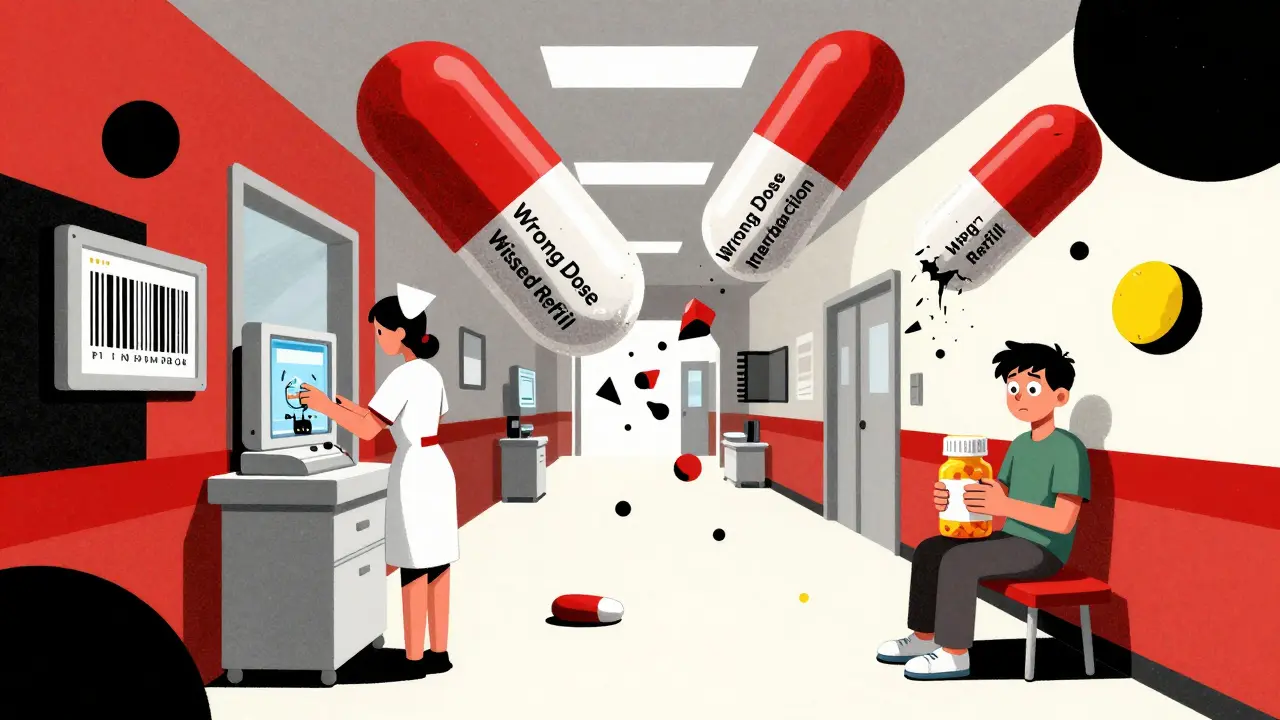
Why Medication Safety Is a Public Health Priority in Healthcare
Every year in the U.S., more than 1.5 million people end up in emergency rooms because of mistakes with their medications. That’s not a glitch in the system-it’s a pattern. And it’s not just about typos on prescriptions or confusing labels. It’s about systems failing people at every step: when a doctor writes a script, when a pharmacist fills it, when a nurse hands over a pill, when a patient forgets to take it-or takes the wrong one. This isn’t just a hospital problem. It’s a public health crisis.
Medication Errors Are Killing More People Than Car Crashes
In 2025, the CDC reported that adverse drug events (ADEs) caused over 1.5 million ER visits. That’s more than the number of people injured in car accidents in the same period. And it’s not just injuries. Around 125,000 Americans die each year from preventable medication errors, mostly because they didn’t take the right dose, took the wrong drug, or were given a medication that clashed with something else they were already on. These aren’t rare accidents. They’re predictable outcomes of broken processes. The biggest driver? Complexity. Since 2000, the FDA has approved over 3,200 new drugs. Many older drugs are being used for new conditions-75% of generics now have expanded uses. Meanwhile, the population is aging. By 2030, nearly one in five Americans will be over 65, and older adults take an average of four to five prescription drugs daily. That’s a recipe for errors. One wrong interaction, one missed refill, one misunderstood instruction-and it can turn deadly.The Hidden Cost: $300 Billion a Year
It’s not just lives lost. It’s money wasted. Medication non-adherence alone costs the U.S. healthcare system $300 billion annually. That’s because people stop taking their blood pressure meds because they feel fine. Or they skip insulin because they can’t afford it. Or they double up on pills after forgetting one dose. Each of those choices leads to hospitalizations, ER visits, and long-term damage that could have been avoided. Then there’s the cost of errors that happen in clinics and pharmacies. The World Health Organization estimates global medication errors cost $42 billion a year. In the U.S., that number is far higher. But here’s the kicker: every dollar spent fixing these problems saves $7.50 down the line. Pharmacist-led interventions? They return $13.20 for every dollar invested. That’s not a cost center-it’s a profit center for public health.Technology Is Helping-But Not Enough
You’d think we’d have this solved by now. After all, hospitals use barcode scanning to match drugs with patients. Electronic health records (EHRs) flag dangerous interactions. AI tools predict which patients are at risk of overdose or adverse reactions. And yes, these tools work. Studies show barcode systems cut administration errors by 86%. Clinical decision support reduces prescribing mistakes by 55%. But here’s the problem: these tools aren’t connected. A patient gets discharged from the hospital with a new list of meds. Their primary care doctor doesn’t see it. The pharmacy doesn’t know about the change. The patient doesn’t understand why they’re taking five new pills. A 2024 study found that 67% of patients experience at least one unintentional medication discrepancy during care transitions. That’s a gap in the system-and it’s deadly. Even worse, only 14% of medication errors are ever reported in the U.S. That means we’re flying blind. We don’t know how bad it really is because we’re not tracking it properly. Compare that to the U.K., where a national reporting system helped cut serious errors by 30%. We have the tech. We just don’t have the accountability.
The Fentanyl Crisis Is a Medication Safety Failure
In 2023, the DEA seized over 80 million counterfeit pills laced with fentanyl. These aren’t street drugs sold in alleyways-they’re fake versions of oxycodone, Xanax, and other prescription pills, made to look identical. People think they’re taking a safe, legal drug. They’re not. Fentanyl is now the leading cause of death for Americans aged 18 to 45. This isn’t a drug war issue. It’s a medication safety issue. The supply chain isn’t secure. Counterfeit drugs enter pharmacies, online retailers, and even mail-order services. And no system is checking them. The FDA’s Drug Supply Chain Security Act requires full electronic tracking of every pill by November 2025. That’s a step forward. But until every pharmacy, distributor, and online seller is forced to use it-and until we audit compliance-this will keep happening.Who’s Getting Left Behind?
The biggest gap isn’t in the hospitals. It’s in the small clinics, rural pharmacies, and independent practices. Only 38 states require formal certification for pharmacy technicians. In 37 states, someone with no training can legally handle your prescriptions. Rural hospitals? Only 37% offer 24/7 pharmacist support. Urban hospitals? 89% do. And it shows. A 2024 survey found that 76% of patients reported confusion about their medications during hospital stays. One in three didn’t understand their discharge instructions. That’s not negligence-it’s a design flaw. If we expect patients to manage complex regimens, we need to give them clear, simple, consistent information. We need visual schedules. We need pill organizers with alarms. We need apps that text reminders. We need pharmacists who call patients after discharge.What’s Working? Real Examples
Some places are getting it right. The Mayo Clinic used AI to reconcile medication lists after discharge. Result? A 52% drop in post-hospital errors. Geisinger Health’s pharmacist-led program boosted medication adherence to 89% and cut hospital readmissions by 27%. In Minnesota, preventable medication deaths dropped from 21 in 2022 to 14 in 2024-because they started tracking every incident and sharing the data publicly. These aren’t miracles. They’re systems. They use standardized order sets, pharmacist involvement, patient education, and real-time data. And they’re all built on one principle: medication safety isn’t an add-on. It’s the foundation of care.
Why This Is a Public Health Priority
The WHO says improving medication adherence has a bigger impact on population health than any single treatment. That’s not hyperbole. It’s data. If we fixed medication errors and improved adherence, we could prevent hundreds of thousands of deaths, save billions in costs, and reduce strain on emergency rooms and hospitals. This isn’t about blaming doctors or pharmacists. It’s about fixing the system. Eighty-nine percent of errors come from flawed processes-not human mistakes. A confusing EHR interface. A poorly designed label. A lack of communication between providers. These are fixable. We know what works. We have the tools. We have the data. What we’re missing is the will. Until medication safety is treated like air traffic control or nuclear reactor safety-with mandatory reporting, national standards, and real-time monitoring-we’ll keep seeing the same deaths, the same costs, the same pain. The question isn’t whether we can afford to fix this. It’s whether we can afford not to.What Needs to Change
- Make reporting mandatory: Every medication error, near-miss, and adverse event must be reported to a national database. No exceptions. - Standardize training: All pharmacy technicians and nurses handling medications need certified training. Period. - Link systems: EHRs, pharmacies, and insurers must share medication data in real time using open APIs. No more silos. - Invest in patients: Give people clear, visual, multilingual instructions. Send automated reminders. Offer free adherence tools. - Hold manufacturers accountable: Fake drugs won’t stop until supply chains are traceable from factory to pharmacy. The 2025 DSCSA deadline is a start-but enforcement is key. - Pay for safety: Medicare and insurers should reward providers who reduce medication errors, not just treat the fallout.Final Thought
Medication safety isn’t glamorous. It doesn’t make headlines. But it’s the quiet, daily work that keeps people alive. It’s the pharmacist double-checking a dose. The nurse scanning a barcode. The doctor asking, “Are you taking all your pills?” It’s the system that makes sure that when someone is told to take a pill, they get the right one, at the right time, in the right way. We have the knowledge. We have the tools. What we need now is the commitment. Because every pill, every dose, every prescription matters.What is the most common cause of medication errors in hospitals?
The most common cause isn’t human error-it’s system failure. Studies show that 89% of medication errors stem from flawed processes, not negligence. This includes confusing drug names, poor EHR design, lack of communication between care teams, and inadequate medication reconciliation during patient transitions. Look-alike/sound-alike drug names alone cause nearly 70% of near-miss errors reported by nurses.
How many people die each year from medication errors in the U.S.?
Approximately 125,000 Americans die each year from preventable medication errors, according to data from the National Community Pharmacists Association. These deaths are often tied to incorrect dosing, drug interactions, or non-adherence. Many occur after discharge from hospitals, where medication lists aren’t properly reviewed or communicated.
Can technology really reduce medication errors?
Yes, when used correctly. Barcode-assisted medication administration (BCMA) reduces administration errors by 86%. Clinical decision support in EHRs cuts prescribing mistakes by 55%. AI tools are now predicting high-risk patients with 73% accuracy. But technology alone isn’t enough. Systems must be integrated, staff must be trained, and workflows must be redesigned to support-not hinder-safety.
Why are counterfeit drugs a growing threat?
Counterfeit drugs, especially fentanyl-laced pills, are proliferating because supply chains aren’t fully traceable. The DEA seized over 80 million fake pills in 2023. These drugs look identical to real prescriptions but contain lethal doses of fentanyl. They enter the market through online pharmacies, mail-order services, and even some retail outlets. The FDA’s Drug Supply Chain Security Act requires full electronic tracking by 2025-but enforcement and compliance remain inconsistent.
What role do pharmacists play in medication safety?
Pharmacists are the last line of defense. Pharmacist-led interventions increase medication adherence by 40% and save $1,200 per patient annually. They catch dosing errors, identify dangerous interactions, and educate patients. Yet only 37% of rural hospitals have 24/7 pharmacist access. Expanding pharmacist roles in primary care, emergency departments, and discharge planning is one of the most cost-effective ways to improve safety.
Is medication safety improving in the U.S.?
Slowly, but unevenly. Large hospital systems are making progress with AI, EHR integration, and pharmacist teams. But independent practices, rural clinics, and long-term care facilities lag far behind. The U.S. still lacks mandatory national reporting for all errors, inconsistent training standards, and fragmented data systems. Without nationwide coordination, progress will remain patchy.

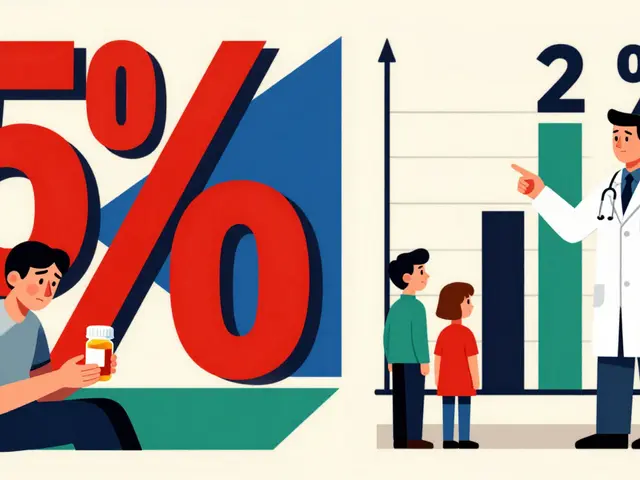
1.5 million ER visits from meds? That’s not a statistic-that’s a national emergency. We’re treating pills like they’re candy, and people are dying because the system’s broken. No one’s blaming the docs or nurses. It’s the damn流程 that’s flawed. Look-alike drugs, no communication between hospitals and pharmacies, patients left in the dark. We’ve got the tech. We just don’t care enough to fix it.
I had a grandma who died because she took two different blood pressure pills by accident. No one told her they did the same thing. She trusted the system. The system failed her. We need pill organizers with pictures. Not just more apps.
in india we dont even have access to basic meds sometimes so this feels like a luxury problem but also its not. if you cant trust your prescription then nothing else matters. simple as that.
OMG I JUST REALIZED MY DOCTOR GAVE ME A PRESCRIPTION FOR A DRUG THAT’S BEEN BANNED IN 12 COUNTRIES. I’M NOT EVEN KIDDING. I’M GOING TO THE PHARMACY TOMORROW AND I’M GOING TO ASK WHY THEY’RE STILL SELLING THIS. THIS IS INSANE. 🤯
Too much drama. Just give people clear labels.
Interesting how the U.S. is so tech-focused but ignores the human side. In Indonesia, pharmacists still call patients after discharge. No AI. Just a voice on the phone. It works. Maybe we don’t need more tech-we need more people.
While the data presented is statistically compelling, one must acknowledge the epistemological limitations of self-reported medication adherence metrics. The conflation of systemic inefficiencies with individual negligence is a persistent fallacy in public health discourse, and the proposed solutions lack a rigorous cost-benefit analysis grounded in behavioral economics.
my mom’s pharmacist called her last week to check if she understood her new meds 🥹 i cried. that’s all it takes. a call. not an app. not a barcode. just someone who cares. please make this standard. 🙏