Bioequivalence: What It Means for Generic Drugs and Your Health
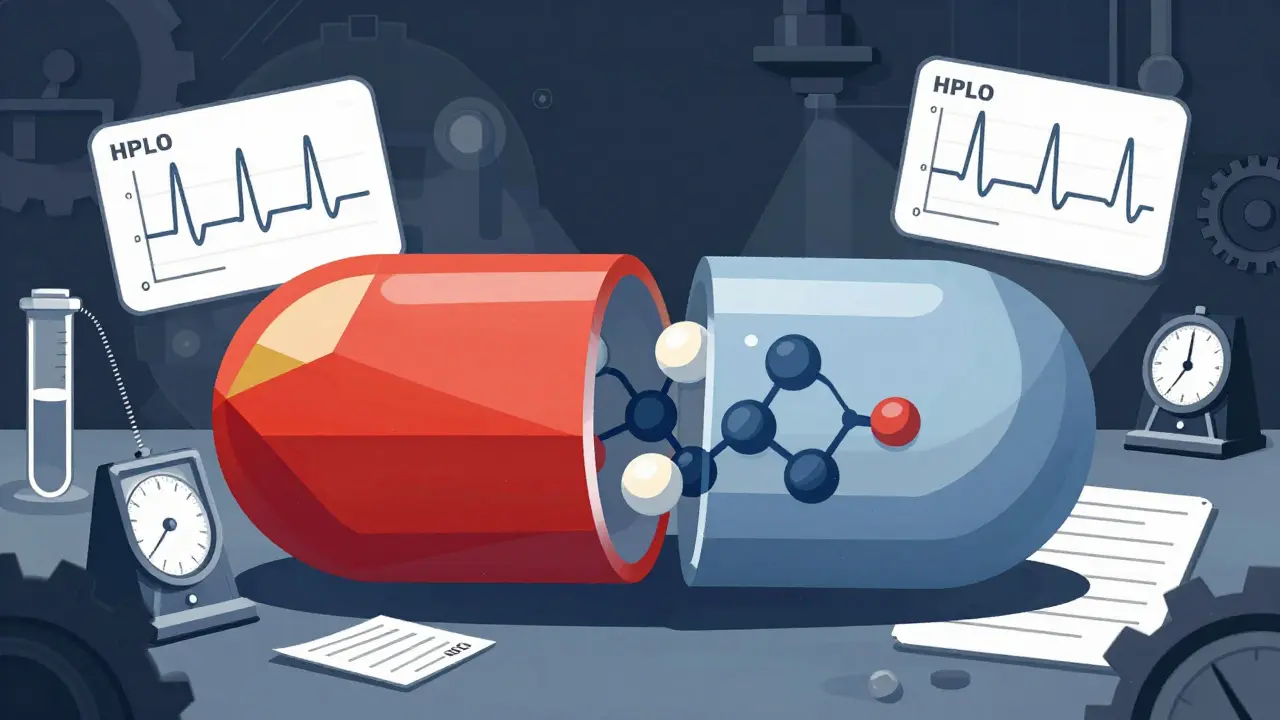
When you pick up a generic pill, you’re counting on it to do the same job as the brand-name version. That’s where bioequivalence, the scientific standard that proves two drug formulations deliver the same amount of active ingredient at the same rate in the body. Also known as therapeutic equivalence, it’s the reason your pharmacist can swap your expensive brand-name drug for a cheaper generic without risking your health. It’s not about price—it’s about performance. If a generic doesn’t match the original in how fast and how much it enters your bloodstream, it might not work—or could even cause side effects.
Bioequivalence isn’t just a lab term. It’s what keeps your blood pressure, diabetes, or thyroid meds working the same way, no matter which bottle you grab. The FDA requires generics to hit 80–125% of the brand’s absorption levels in healthy volunteers. That’s not a guess—it’s measured through blood tests, timing, and real data. For drugs with narrow therapeutic windows—like warfarin, levothyroxine, or seizure meds—this margin is critical. A tiny difference in absorption can mean a seizure, a stroke, or a dangerous drop in thyroid levels. That’s why you’ll see pharmacists double-check substitutions for these drugs.
But bioequivalence doesn’t mean identical. Generics can have different fillers, coatings, or shapes. That’s why some people report feeling different after switching—even if the science says they shouldn’t. It’s often about perception, but sometimes it’s real. If you notice a change in how you feel after a switch, talk to your doctor. Don’t assume it’s all in your head. And don’t assume all generics are equal either. Some manufacturers produce more consistent products than others. That’s why some pharmacies stick to certain generic brands.
What you won’t find in the bioequivalence data? Long-term outcomes. The tests measure blood levels over hours, not years. They don’t tell you if a generic causes more joint pain, fatigue, or mood swings over time. That’s why real-world experience matters. And that’s why our collection includes posts on how drug substitutions affect everything from thyroid control to antibiotic effectiveness, from insulin timing to liver safety. You’ll find comparisons between brand and generic versions of common meds, warnings about when substitutions can backfire, and real stories from people who noticed a difference after switching.
Bioequivalence keeps the system running. But your body is the final test. The posts below give you the tools to ask the right questions, spot when a switch might be risky, and know when to push back—because your health shouldn’t be a cost-cutting experiment.
Pharmaceutical equivalence means generic drugs contain the same active ingredient, strength, and dosage form as brand-name drugs. It’s the first step toward safe substitution-but bioequivalence and therapeutic equivalence determine real-world performance.
READ MORE
Phenytoin has a narrow therapeutic window, making generic substitutions risky. Learn when and how to monitor blood levels to avoid toxicity or seizures, especially after switching formulations.
READ MORE