Drug Pricing: How to Understand, Compare, and Save on Prescription Costs
When you pick up a prescription, drug pricing, the cost set by manufacturers, insurers, and pharmacies for a medication. Also known as pharmaceutical pricing, it’s often a mystery—same pill, different price, no clear reason why. You might pay $5 at one pharmacy and $150 at another, even with the same insurance. That’s not a glitch. It’s the system.
Price transparency tools, free online platforms that show real-time prescription prices across local pharmacies are changing that. They pull data directly from insurers and pharmacies, so you see what you’ll actually pay before you walk in. No guesses. No surprises. Tools like GoodRx, SingleCare, and your insurer’s own portal can cut your monthly bill by hundreds. But most people don’t use them because they think all pharmacies charge the same. They don’t.
And it’s not just about where you buy. Insurance drug pricing, how your plan negotiates and covers meds plays a huge role. Some plans put expensive drugs in the highest tier, forcing you to pay more. Others don’t cover generics at all—even when they’re identical. You might be paying brand-name prices for a generic version because your plan’s formulary doesn’t list it as preferred. That’s why knowing your plan’s tier structure matters as much as the sticker price.
Drug pricing is also tied to pharmacy cost savings, strategies that reduce out-of-pocket spending through coupons, mail-order, or bulk buying. Some pharmacies offer discount programs for cash-paying customers that beat insurance prices. Others let you buy a 90-day supply for the cost of a 30-day one. And yes, sometimes paying cash is cheaper than using insurance. It sounds backwards, but it’s true—and it’s legal.
Why does this mess exist? Because drug pricing isn’t based on cost to make the pill. It’s based on what the market will bear. A drug that costs $2 to produce can sell for $2,000 if it’s the only one for a rare condition. Insurance companies negotiate behind closed doors. Pharmacies mark up prices based on what they think you’ll pay. And you? You’re often left holding the bill with no way to compare.
But you’re not powerless. You can check prices before you fill. You can ask for a generic. You can switch pharmacies. You can even call your doctor and ask if there’s a cheaper alternative with the same effect. These aren’t hacks—they’re basic rights you already have.
Below, you’ll find real guides from people who’ve been there. They’ve used price transparency tools to slash their insulin bills. They’ve learned how to read insurance explanations to spot overcharges. They’ve found hidden discounts for medications that cost more than rent. And they’ve shared exactly how they did it—no fluff, no theory, just steps that work.
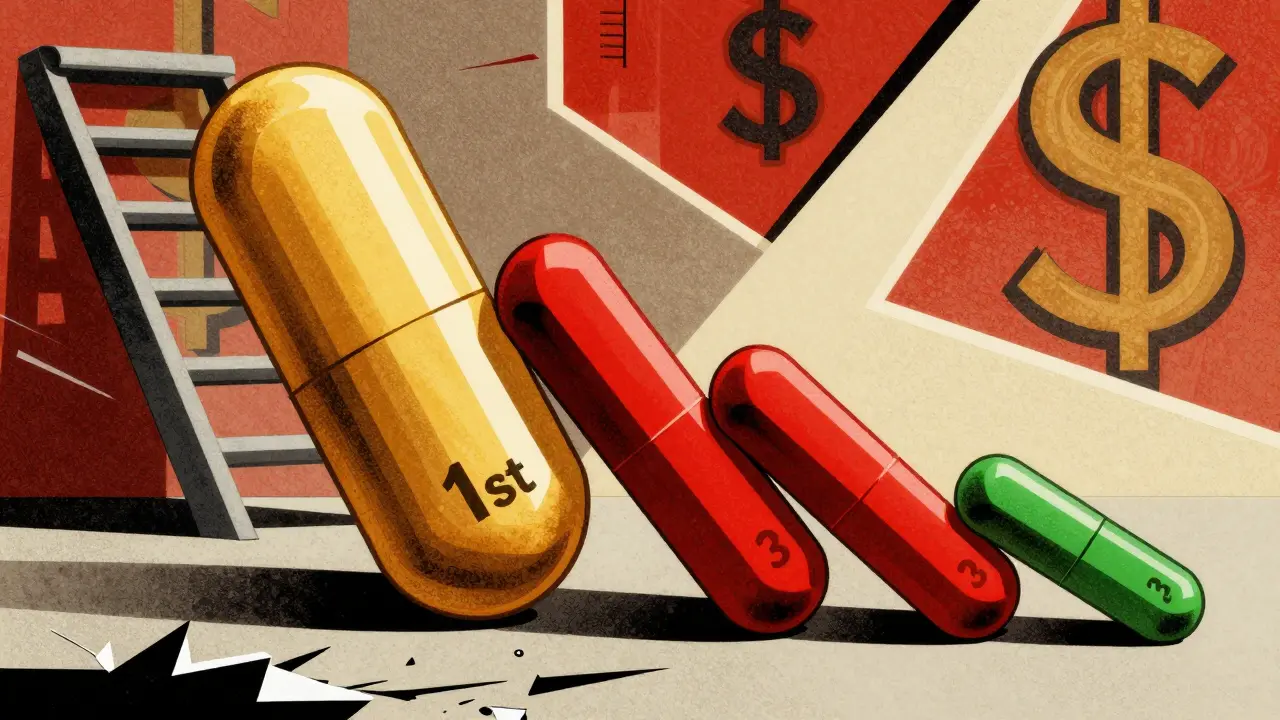
Second and third generic drug manufacturers drive prescription prices down dramatically-often to less than half the brand cost. This competition saves billions annually and makes life-saving meds affordable.
READ MORE
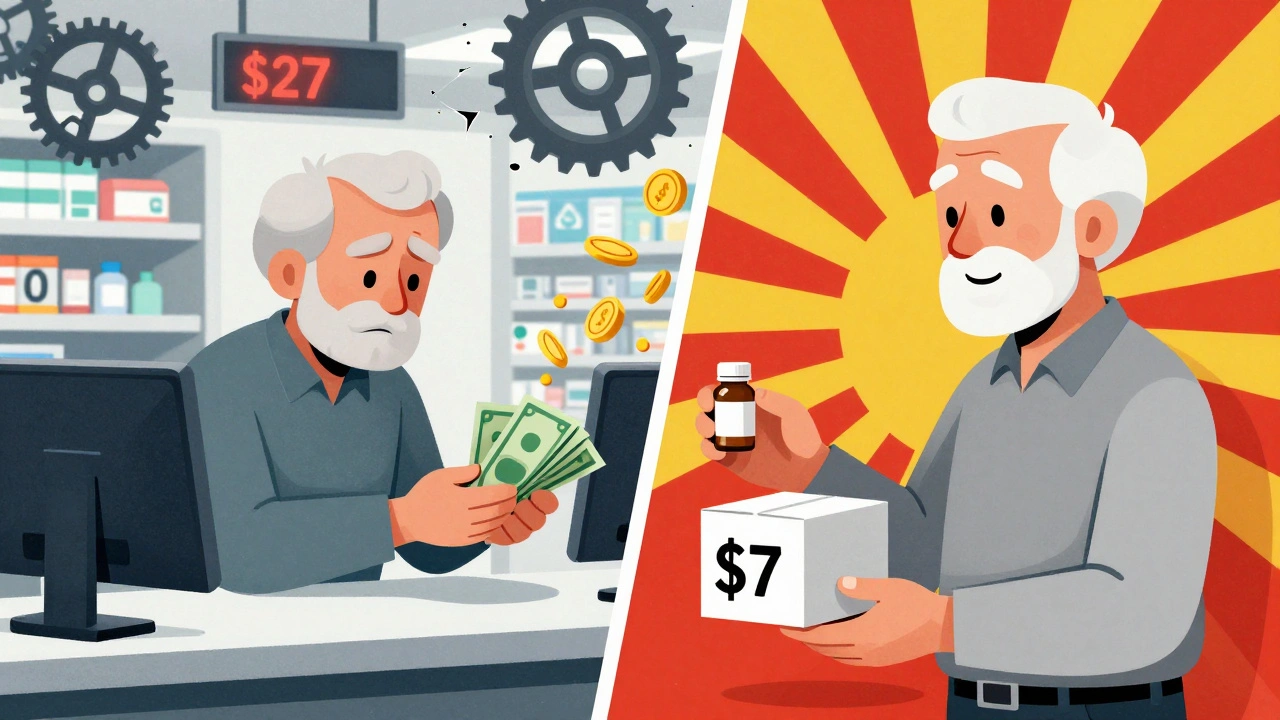
Generics cut prescription costs by up to 90%, yet many Americans still overpay due to opaque pricing. Learn how to save hundreds annually by switching to generics and using direct-to-consumer pharmacies.
READ MORE