NTI Drugs: What You Need to Know About Narrow Therapeutic Index Medications
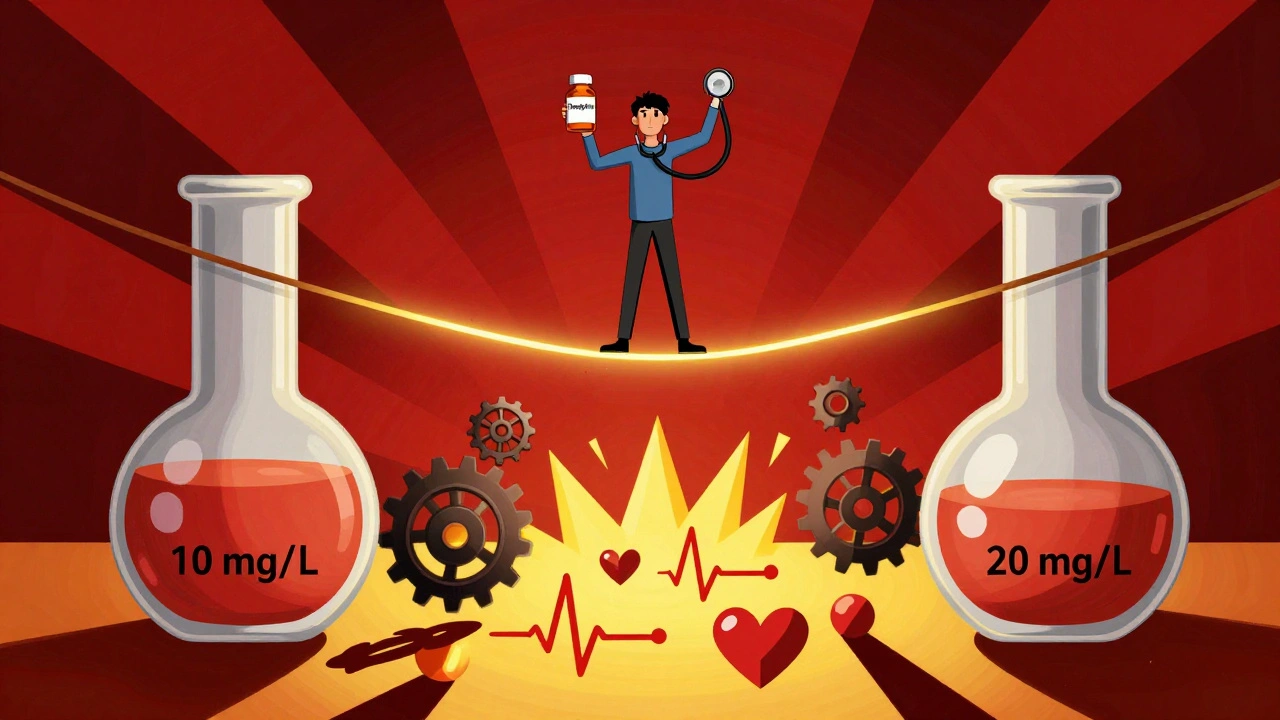
When a drug has a Narrow Therapeutic Index, a small difference between a safe dose and a toxic one. Also known as narrow therapeutic range, it means your body can’t tolerate much variation—too little and the drug doesn’t work, too much and it could harm you. This isn’t just a technical detail. For people taking NTI drugs, getting the dose wrong isn’t a minor mistake—it’s a life-or-death gamble.
Think of it like walking a tightrope. Medications like phenytoin, an anti-seizure drug with a razor-thin safety margin, warfarin, lithium, and cyclosporine fall into this category. One pill more or less can trigger seizures, kidney damage, or even sudden death. That’s why switching from brand to generic isn’t just a cost-saving move—it’s a medical decision. Studies show that even minor formulation changes in NTI drugs can cause blood levels to spike or drop dangerously, especially in older adults or those with kidney or liver issues.
That’s where therapeutic drug monitoring, the practice of regularly testing blood levels to ensure the drug stays in the safe zone comes in. It’s not optional for NTI drugs—it’s mandatory. Doctors don’t just guess the dose; they measure it. And if you’re on one of these meds, you need to know: don’t switch pharmacies without telling your provider. Don’t skip doses because you feel fine. Don’t take new supplements or antibiotics without checking for interactions. These drugs play by different rules than your average painkiller or vitamin.
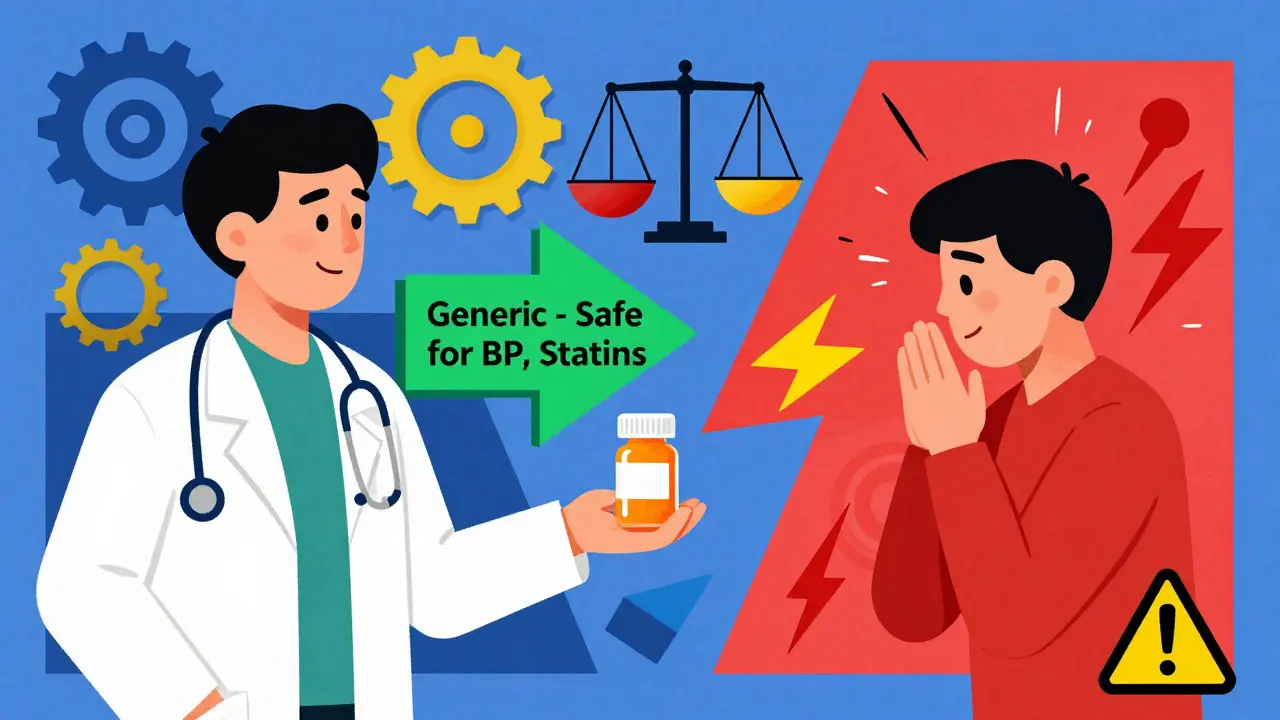
Why does this matter now? Because generic substitution is everywhere. Hospitals and insurers push for cheaper alternatives, but with NTI drugs, cheaper doesn’t always mean safer. A 2024 FDA alert highlighted cases where patients had seizures after switching phenytoin brands—despite the generics being labeled "bioequivalent." The truth? Bioequivalence doesn’t always mean clinical equivalence for NTI drugs. The body reacts to tiny differences in how the drug is absorbed, and those differences matter.
What you’ll find in the posts below isn’t theory—it’s real-world guidance. From how to spot dangerous interactions between NTI drugs and antibiotics, to why your prescription label might look different every time you refill, to what to ask your pharmacist before accepting a substitution. These aren’t generic warnings. They’re survival tips for people who depend on medications that don’t forgive mistakes.
Medical societies have conflicting positions on generic drug substitution. While most support it for cost savings, neurologists and others warn against swapping drugs with narrow therapeutic indices-like anticonvulsants-where small changes can cause serious harm.
READ MORE
Theophylline is a powerful but risky asthma and COPD drug with a narrow therapeutic window. Without regular blood monitoring, even small changes in your body or medications can lead to life-threatening toxicity. Here’s why checking your levels isn’t optional.
READ MORE