Therapeutic Drug Monitoring: What It Is and Why It Matters for Your Medications
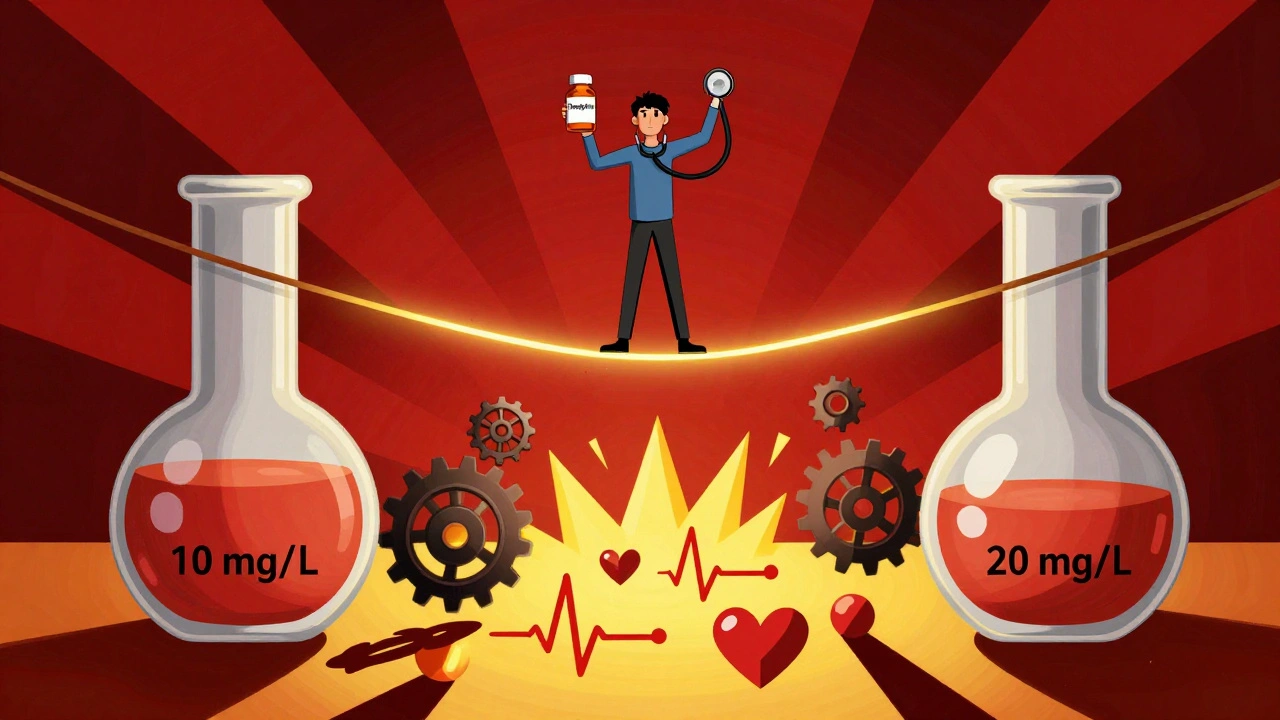
When you take a medication, your body doesn’t always process it the same way as someone else. That’s where therapeutic drug monitoring, the process of measuring specific drug levels in your blood to ensure they’re in the safe and effective range. Also known as TDM, it’s not just for fancy hospital cases—it’s used daily for drugs like antibiotics, seizure meds, and heart pills to make sure you’re getting the right dose for your body. Think of it like checking your gas tank while driving—you don’t just guess how much fuel you need, you look at the gauge. With meds, the gauge is a simple blood test.
Not every drug needs this kind of tracking. But for some, the difference between too little and too much can mean the difference between healing and hospitalization. Drugs like warfarin, a blood thinner that requires precise dosing to avoid clots or dangerous bleeding, or lithium, used for bipolar disorder and toxic at just slightly high levels, rely on this monitoring. Even antibiotics like vancomycin, used for serious infections and known to damage kidneys if levels creep too high, are tracked this way. The goal isn’t to overcomplicate things—it’s to make sure your treatment actually works without hurting you.
What you’ll find in these posts isn’t theory—it’s real-world guidance. From how to space magnesium with thyroid meds to why some antibiotics can wreck your liver, every article ties back to one truth: meds don’t work the same for everyone. You’ll see how hospitals control which drugs they use, how to avoid dangerous interactions, and when to push back if your dose feels off. These aren’t generic advice pieces—they’re based on actual cases, lab results, and clinical decisions that affect people like you every day.
If you’ve ever wondered why your doctor ordered a blood test after you started a new pill, or why your dose changed even though you felt fine—this collection answers those questions. No jargon. No fluff. Just what you need to understand your meds, ask better questions, and stay in control of your health.
Theophylline is a powerful but risky asthma and COPD drug with a narrow therapeutic window. Without regular blood monitoring, even small changes in your body or medications can lead to life-threatening toxicity. Here’s why checking your levels isn’t optional.
READ MORE
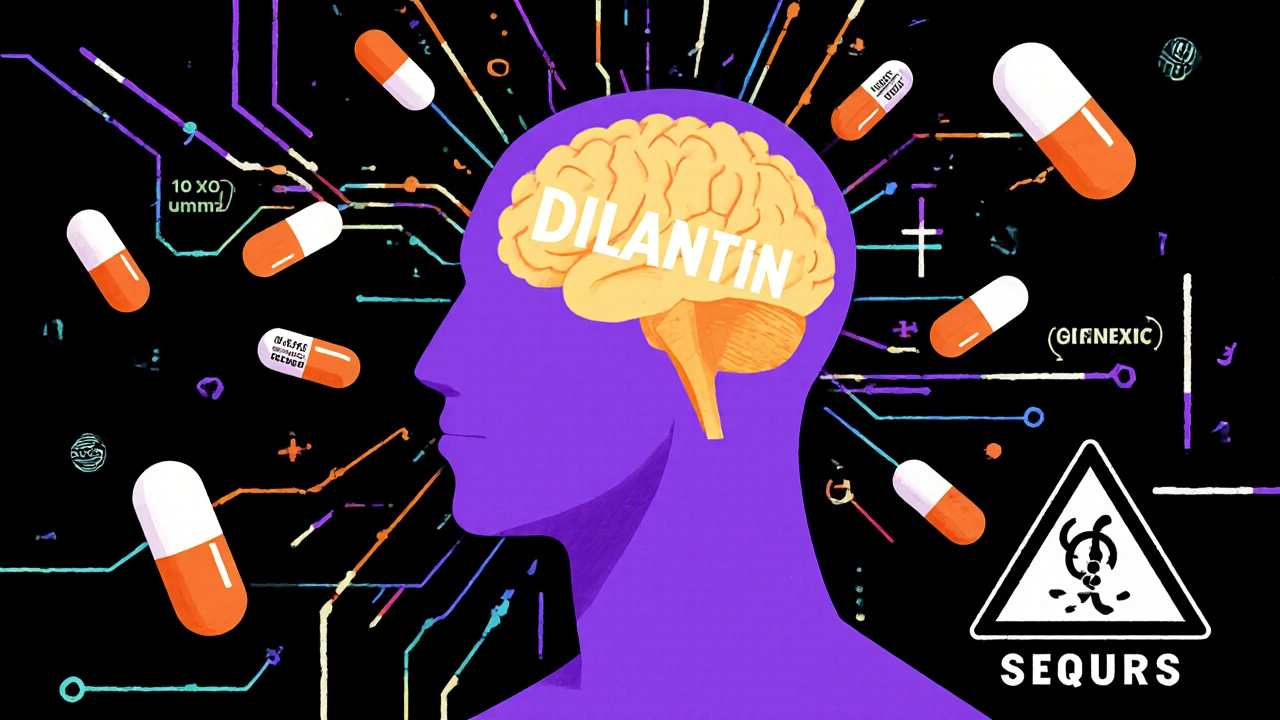
Phenytoin has a narrow therapeutic window, making generic substitutions risky. Learn when and how to monitor blood levels to avoid toxicity or seizures, especially after switching formulations.
READ MORE