Drug Stockpiling: What You Need to Know About Emergency Medication Storage
When we talk about drug stockpiling, the practice of accumulating medications for future use, often in anticipation of shortages, emergencies, or price hikes. Also known as medication hoarding, it’s become more common as supply chains grow unstable and drug prices keep rising. But stockpiling isn’t just about buying extra pills—it’s about understanding when it helps and when it hurts.
Not all drugs are safe to store long-term. Narrow therapeutic index (NTI) drugs, like theophylline and phenytoin, where tiny changes in blood levels can cause toxicity or seizures shouldn’t be stockpiled unless you’re under constant monitoring. Same goes for insulin, which loses potency if not refrigerated properly, or antibiotics, like fluoroquinolones and macrolides, that can become ineffective or even dangerous if taken after expiration. Even something as simple as OTC sleep aids or OTC vitamins can go bad, interact with new meds, or mask worsening conditions if used without guidance.
People stockpile for real reasons: drug shortages, insurance denials, high copays, or fear of losing access. But without a plan, it backfires. Storing too much can lead to expired pills, accidental overdoses, or using the wrong med during an emergency because labels faded or bottles got mixed up. And if you’re hoarding controlled substances like opioids, you’re risking misuse—not just for yourself, but for others in your home.
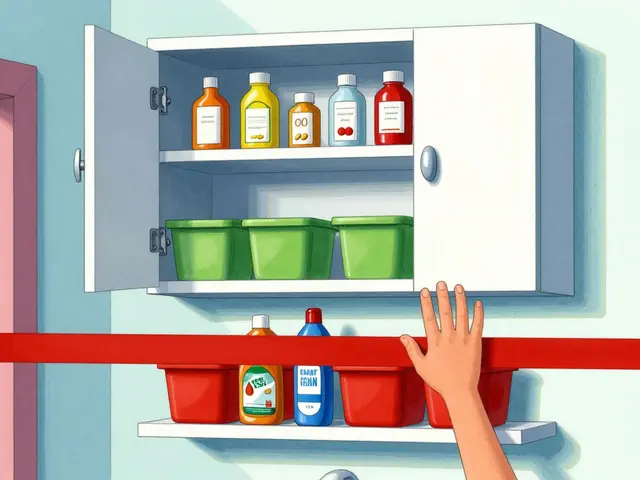
What works better than stockpiling? Drug stockpiling done right: talk to your pharmacist about what meds are safe to keep, how long they last, and how to store them. Keep a written list of what you have, when it expires, and why you’re keeping it. Store meds in a cool, dry place—away from kids and pets. And if you’re worried about running out, ask your doctor about alternative options or patient assistance programs before buying extra.
The posts below cover real-world cases where medication storage, substitution, and safety intersect—from how hospitals control drug access through formularies, to why generic switches can be risky with NTI drugs, to how to use price tools so you don’t have to hoard just to afford your meds. You’ll find practical advice on managing insulin during illness, avoiding dangerous interactions, and knowing when a medical alert bracelet is more useful than a drawer full of extra pills.
Drug shortages are a growing crisis fueled by fragile global supply chains. Learn how building resilience through diversification, stockpiling, AI, and cybersecurity can prevent life-threatening gaps in essential medicines.
READ MORE