Drug Interactions: What You Need to Know to Stay Safe
When you take more than one medication, your body doesn’t just see them as separate pills—it sees a chemical conversation that can go right or very wrong. This is what we call drug interactions, when two or more medications affect each other’s action in your body, changing how well they work or increasing side effects. Also known as medication interactions, these aren’t rare accidents—they happen every day, often without anyone noticing until something goes wrong. A simple combo like a common antibiotic and a heart drug can throw off your rhythm. A vitamin you think is harmless might block your thyroid pill from working. And if you’re on a drug with a narrow therapeutic index, a range so small that a tiny change in blood level can cause toxicity or make the drug useless, even a small interaction can land you in the hospital.
Some interactions are obvious if you know what to look for. For example, antibiotic interactions, like how macrolides or fluoroquinolones can stretch your heart’s electrical cycle and trigger dangerous rhythms, are well-documented but often missed because they don’t cause immediate symptoms. Others hide in plain sight: magnesium supplements blocking your thyroid medication, or anti-nausea drugs making Parkinson’s symptoms worse by fighting dopamine. The therapeutic drug monitoring, the practice of checking blood levels of drugs like theophylline or phenytoin to stay within the safe zone isn’t just for hospitals—it’s a lifeline for people on high-risk meds. If your doctor doesn’t mention it, ask. Many people think if a pill is approved, it’s safe with everything else. That’s not true. The FDA approves drugs one at a time. They don’t test every possible combo. That’s on you to manage.
You’re not just a patient—you’re the main person who can catch these problems. Keep a list of everything you take, including vitamins, OTC sleep aids, and herbal stuff. Bring it to every appointment. Ask your pharmacist: "Could this mess with my other meds?" Don’t assume they know your full list. A drug that’s fine alone can become dangerous when stacked with another. And if you’ve ever been told you’re allergic to penicillin, get tested—most people aren’t, and avoiding it can mean using costlier, riskier antibiotics instead. The real danger isn’t the drugs themselves. It’s the silence around how they play together.
Below, you’ll find real-world guides that cut through the noise. From how to space magnesium with thyroid pills, to why QT prolongation from common antibiotics needs an ECG check, to why generic phenytoin can trigger seizures if you’re not monitored—these aren’t theory pieces. They’re tools built by people who’ve seen what happens when drug interactions slip through the cracks. You don’t need to memorize every combo. You just need to know where to look, who to ask, and what questions to never stop asking.
Many people assume supplements are safe because they're natural, but they can cause serious harm - especially when mixed with medications. Learn the real risks, common interactions, and how to protect yourself.
READ MORE
Seizure medications can pose serious risks during pregnancy, including birth defects and harmful drug interactions. Learn which drugs are safest, how birth control affects treatment, and why uncontrolled seizures are the real danger.
READ MORE
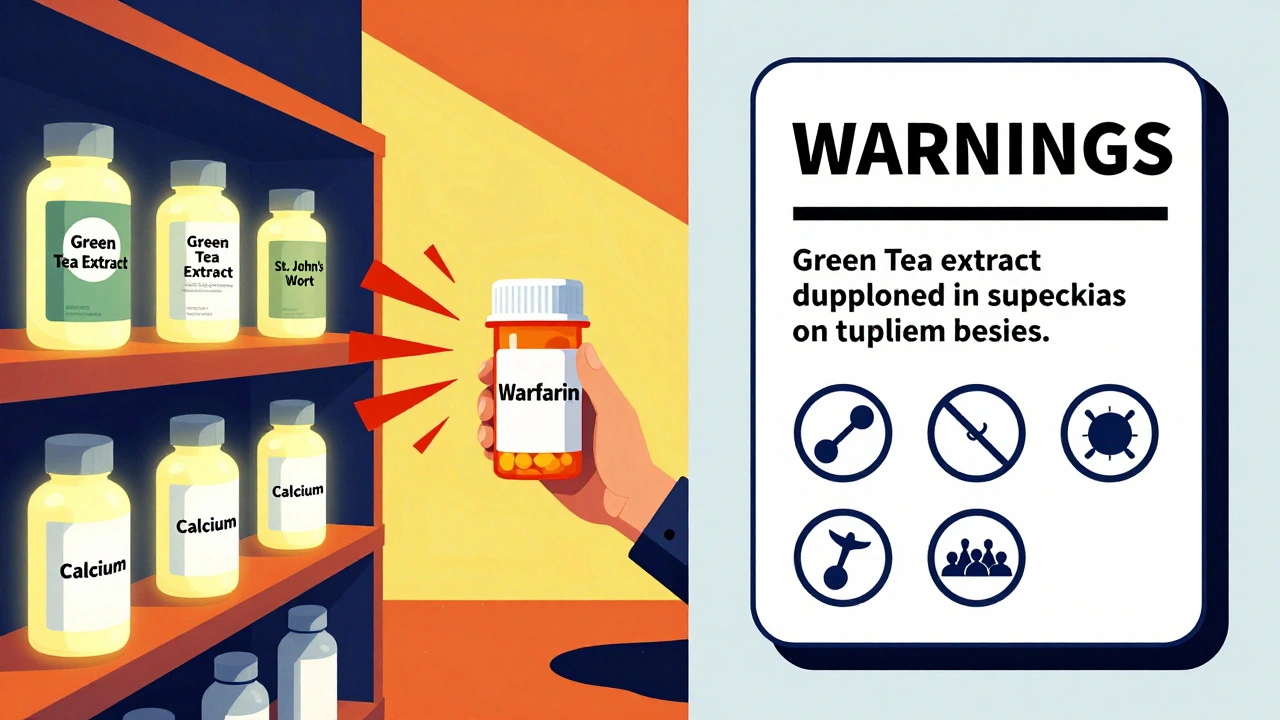
Supplement labels rarely warn about drug interactions, putting millions at risk. Learn how to read labels, spot hidden dangers, and protect yourself from dangerous medication conflicts using expert-backed steps and real-world examples.
READ MORE
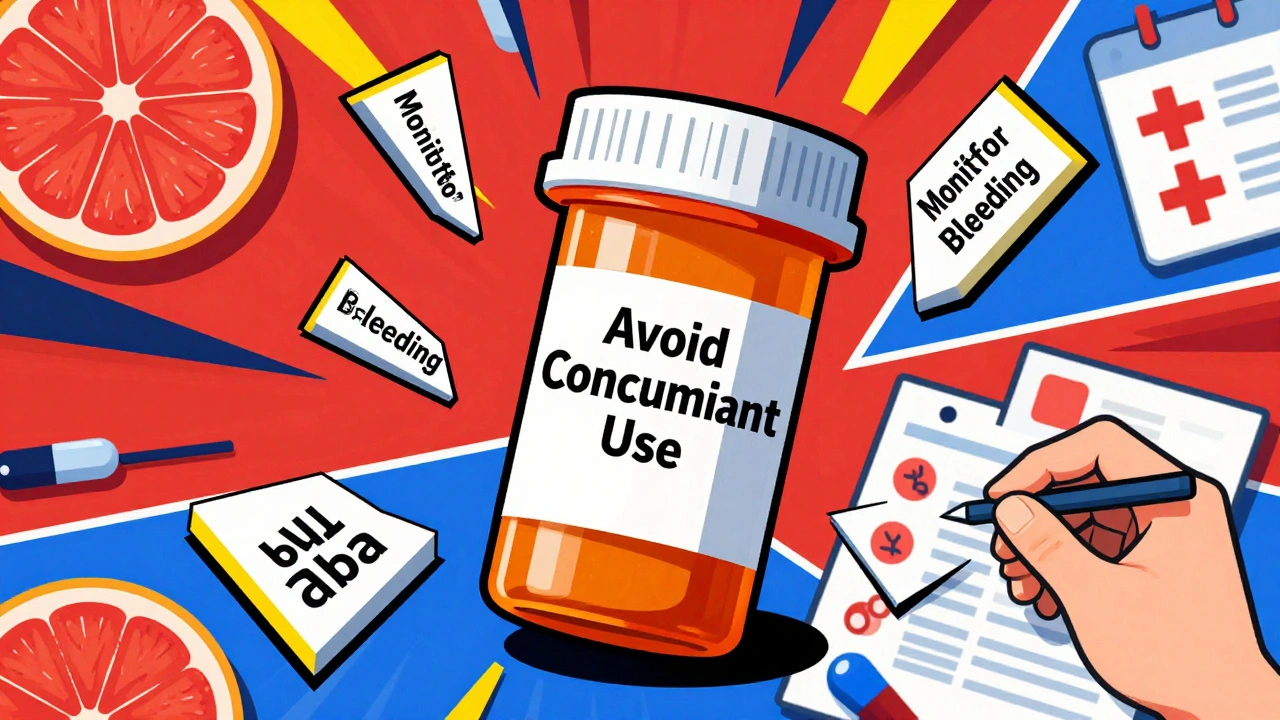
Learn how to read prescription label warnings to avoid dangerous drug interactions that can lead to hospitalization. Find out where to look, what phrases mean, and how to protect yourself from hidden risks with supplements and OTC meds.
READ MORE