Category: Medicine - Page 2

Shingles Treatment: How Antivirals and Pain Management Work Together
Medicine

Shingles Treatment: How Antivirals and Pain Management Work Together

Shingles causes severe nerve pain and long-term complications if not treated early. Antivirals like valacyclovir must be started within 72 hours to reduce pain and prevent post-herpetic neuralgia. Pain management requires targeted drugs, not just OTC remedies.

READ MORE

How to Separate Household Chemicals from Medication Storage for Safety
Medicine

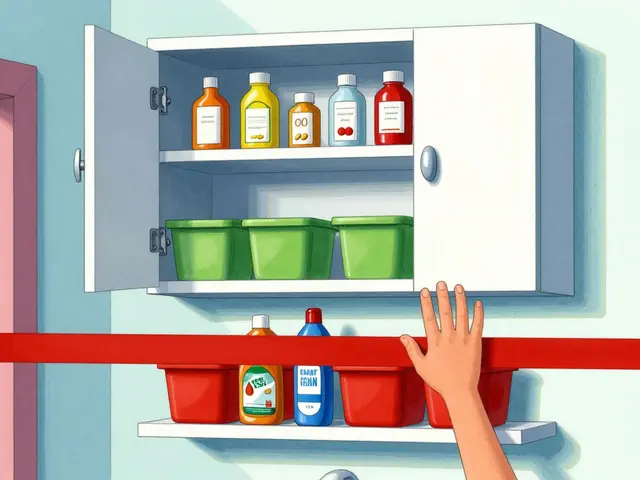
How to Separate Household Chemicals from Medication Storage for Safety

Separating household chemicals from medication storage prevents poisoning, maintains drug effectiveness, and protects children. Follow EPA and CDC guidelines for safe, separate storage zones in your home.

READ MORE

Pelvic Pain in Women: How to Tell Endometriosis Apart from Interstitial Cystitis
Medicine

Pelvic Pain in Women: How to Tell Endometriosis Apart from Interstitial Cystitis

Endometriosis and interstitial cystitis cause similar pelvic pain, but treatments differ drastically. Learn how to tell them apart, why misdiagnosis is common, and what steps to take for accurate diagnosis and relief.

READ MORE

Restless Leg Syndrome: Dopaminergic Medications and Relief
Medicine

Restless Leg Syndrome: Dopaminergic Medications and Relief

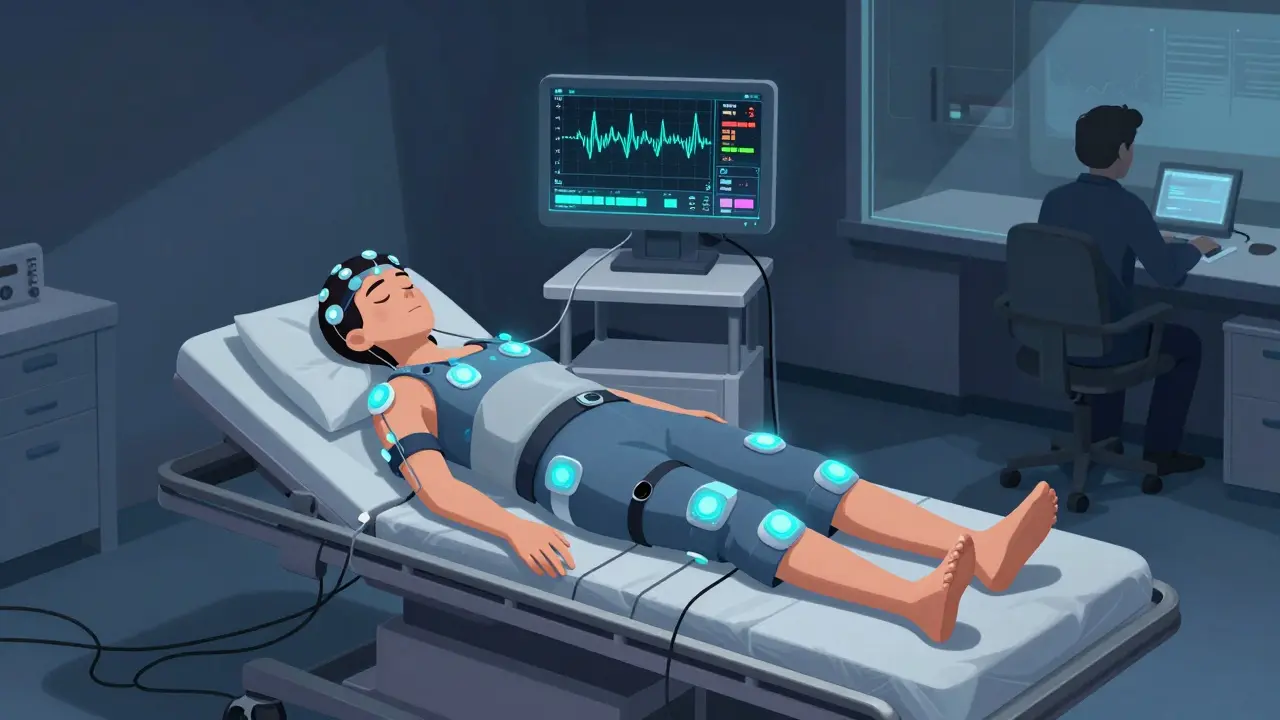
Dopaminergic medications for Restless Leg Syndrome are no longer first-line due to high risk of augmentation. Learn why alpha-2-delta ligands like gabapentin enacarbil are now preferred, how to safely transition, and what lifestyle changes actually help.

READ MORE

Epidural and Spinal Procedures on Anticoagulants: Understanding Hematoma Risks
Medicine

Epidural and Spinal Procedures on Anticoagulants: Understanding Hematoma Risks

Spinal and epidural procedures on blood thinners carry a small but life-altering risk of hematoma. Learn the real risks, timing rules, and what to ask your doctor to stay safe.

READ MORE

Osteoporosis Medications: Bisphosphonates and Jaw Necrosis Risks
Medicine

Osteoporosis Medications: Bisphosphonates and Jaw Necrosis Risks

Bisphosphonates like alendronate reduce osteoporosis fractures by up to 70%, but carry a rare risk of jaw necrosis. Learn the real odds, who's at risk, and how to protect your jaw without giving up bone protection.

READ MORE

Fall Risk in Older Adults: Medications That Increase Injury Potential
Medicine

Fall Risk in Older Adults: Medications That Increase Injury Potential

Many older adults fall because of medications they’re taking-often without knowing it. Antidepressants, benzodiazepines, sleep aids, and even common painkillers can cause dizziness, confusion, and loss of balance. Learn which drugs raise fall risk and what to do about them.

READ MORE

First-Mover Advantage: How Generic Drug Makers Win Big by Launching First
Medicine

First-Mover Advantage: How Generic Drug Makers Win Big by Launching First

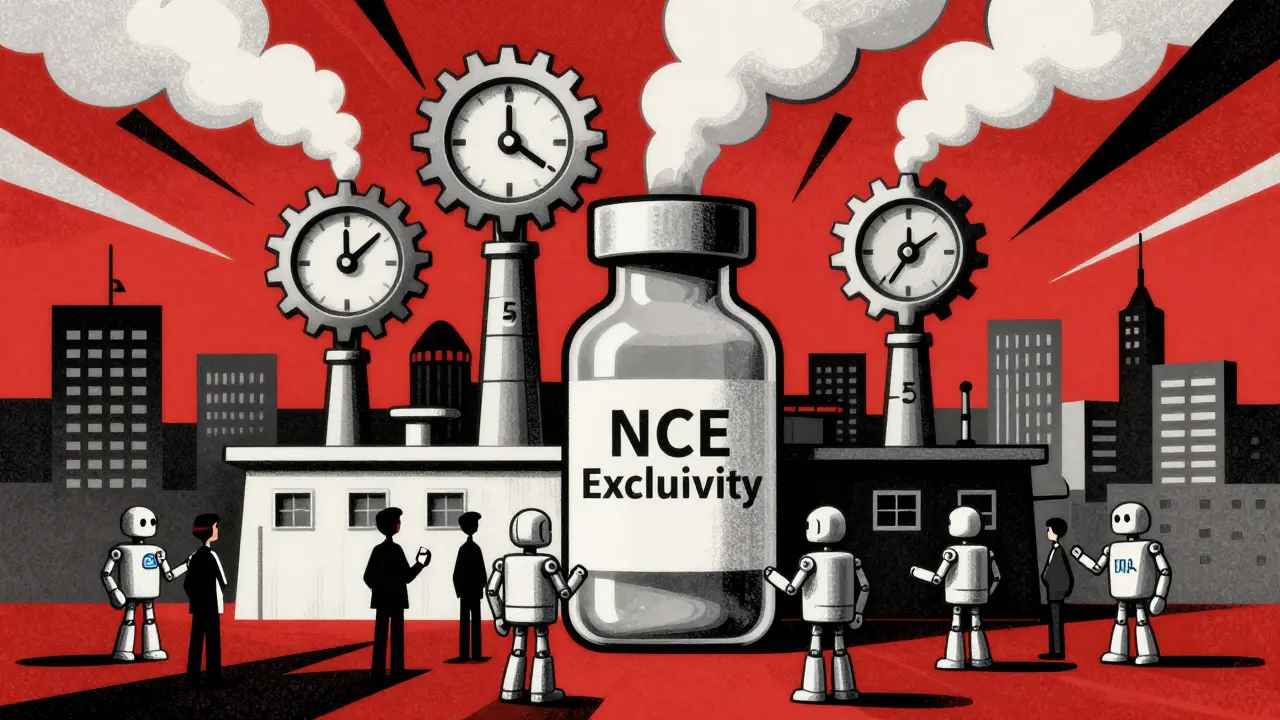
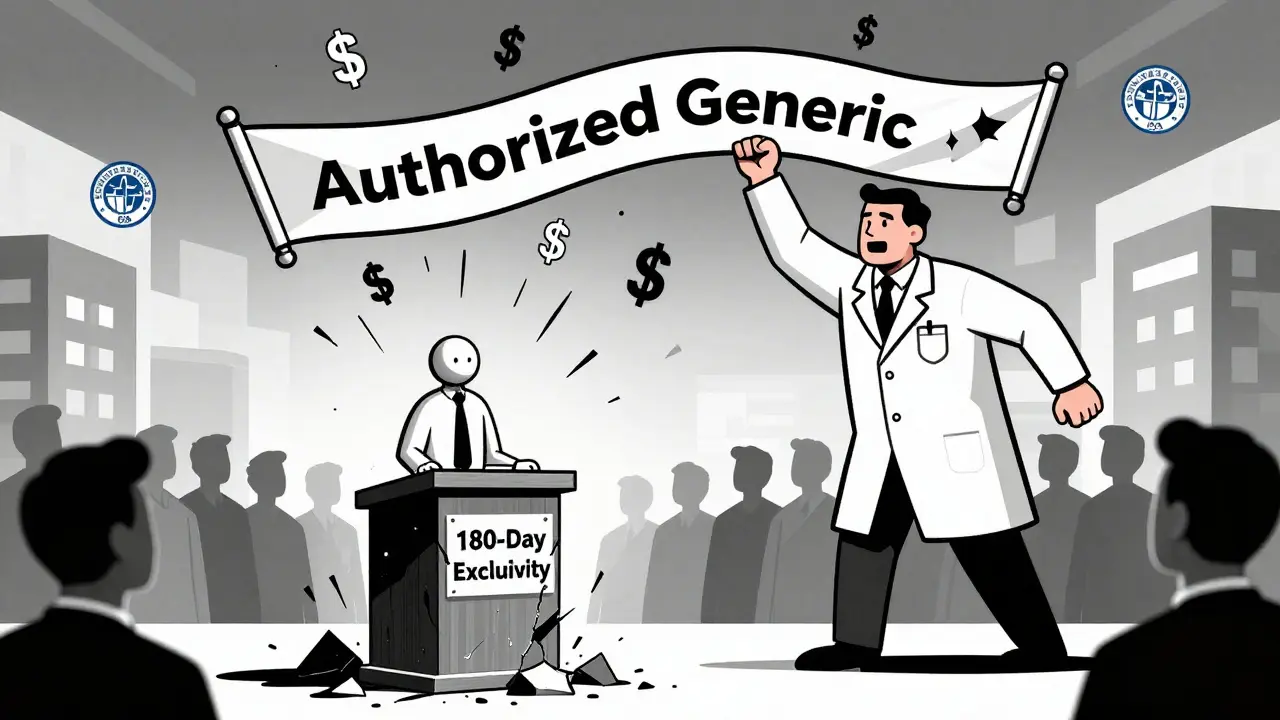
First-mover advantage in generic drugs gives the earliest manufacturer up to 90% market share - and that lead often lasts years. Learn how the Hatch-Waxman Act, pharmacy habits, and Authorized Generics shape who wins - and who gets left behind.

READ MORE

Metformin Myths and Facts: Tolerability, B12, and Long-Term Use
Medicine

Metformin Myths and Facts: Tolerability, B12, and Long-Term Use

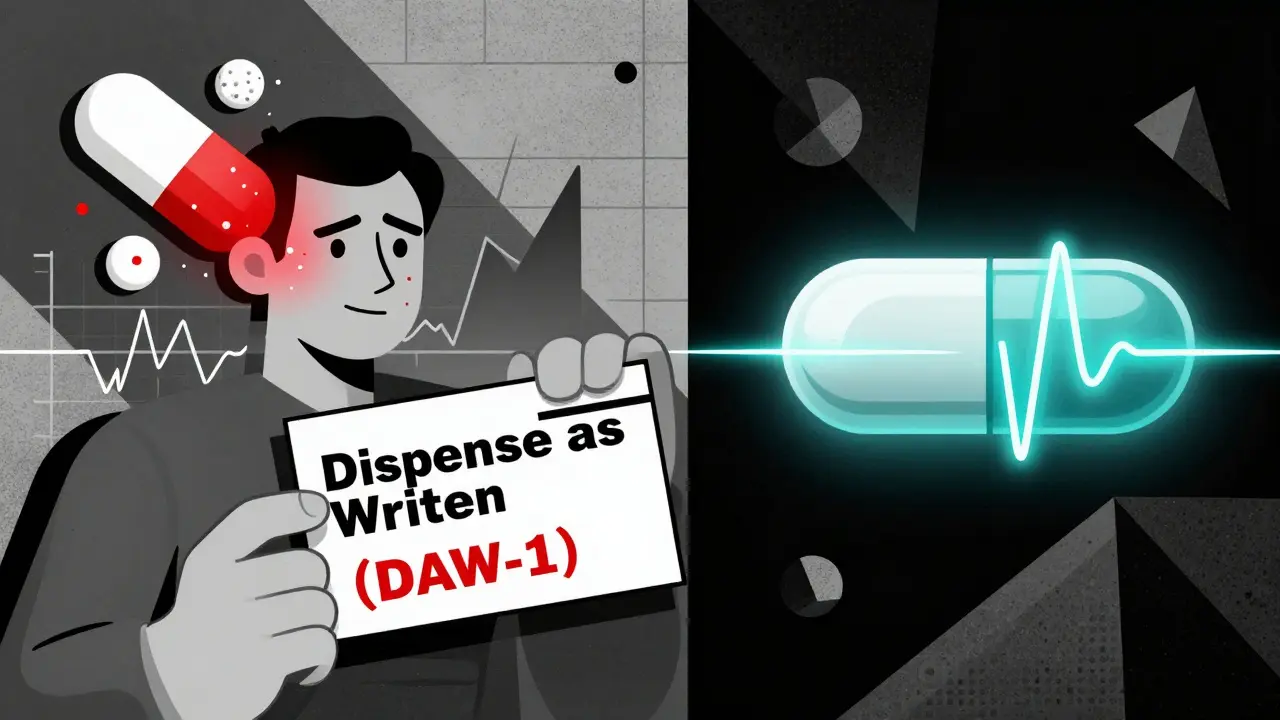
Metformin remains the first-line treatment for type 2 diabetes, but myths about its side effects, B12 deficiency, and long-term safety persist. Learn the facts about tolerability, kidney safety, and how to manage common concerns.

READ MORE

Shingles Vaccination: Who Should Get the Recombinant Zoster Vaccine
Medicine

Shingles Vaccination: Who Should Get the Recombinant Zoster Vaccine

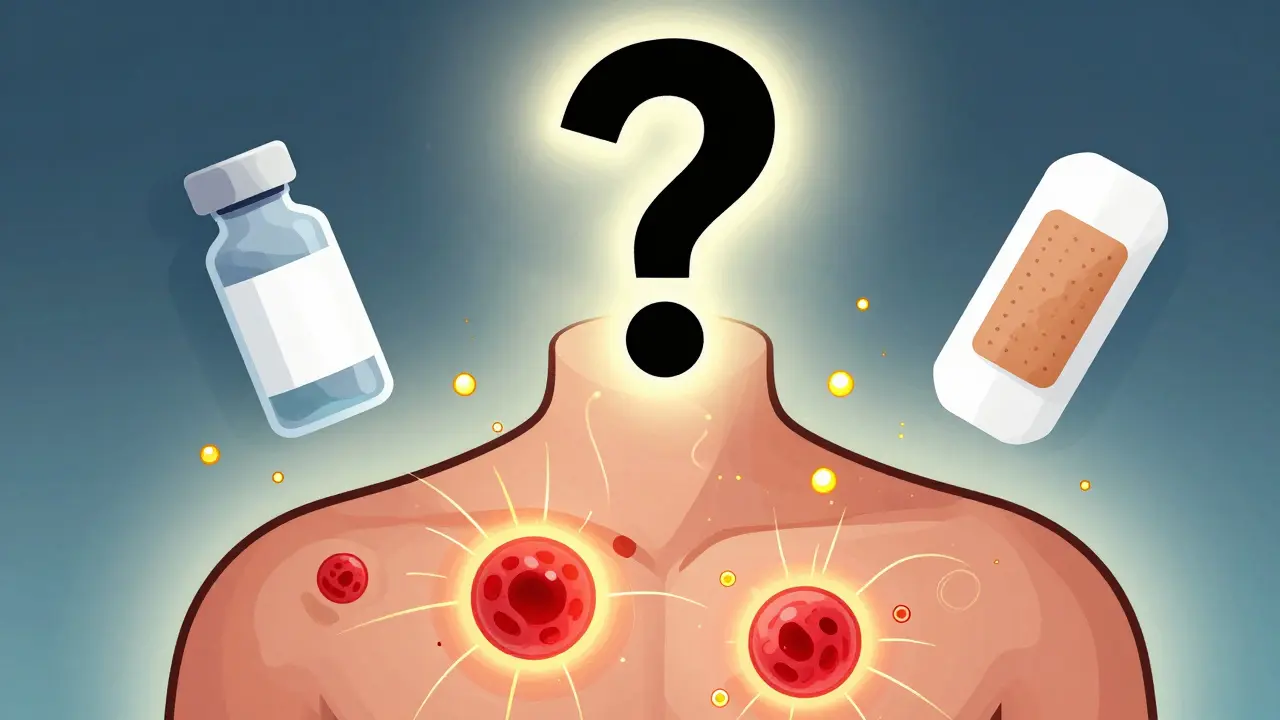
Shingrix is the only shingles vaccine available in the U.S. and is recommended for all adults 50+, plus immunocompromised adults 19+. Learn who should get it, why it's better than the old vaccine, and what to expect after the shot.

READ MORE